
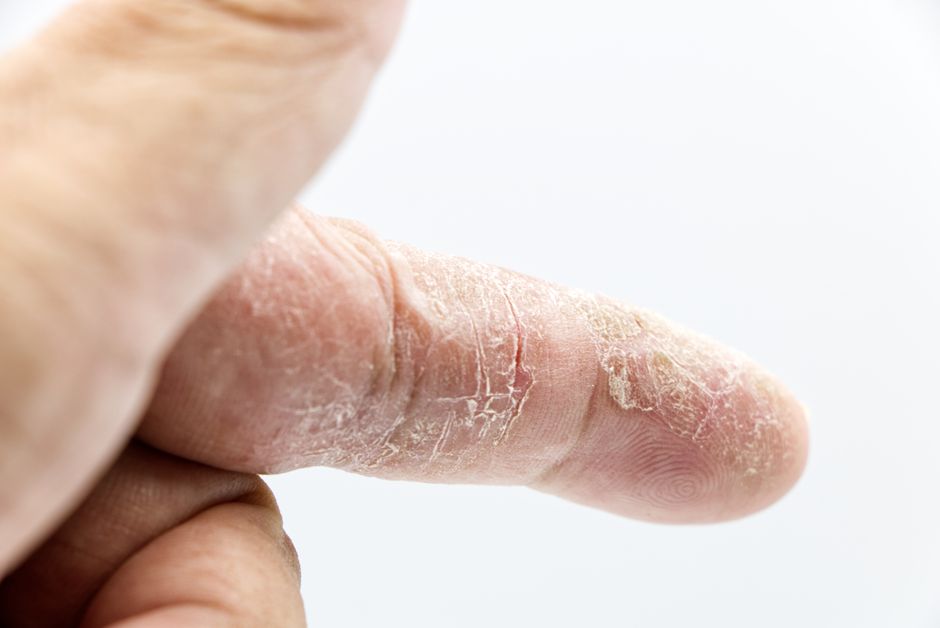
When the skin on your hands starts peeling, it is usually a sign that the outer layer has been damaged. The most common causes include dry air, frequent hand washing, allergies, or skin conditions like eczema. The peeling happens when dead skin cells separate from the healthy layer underneath, often because moisture has been lost or the skin has been irritated.
Why Is Your Skin Peeling On Your Hands?
The skin on your hands is thin and exposed to many things every day. Water, soap, chemicals, cold weather, and sun can all strip away natural oils. Without these oils, the outer layer dries out and starts to crack and peel. Your body also sheds dead skin cells regularly, but irritation speeds up this process so you notice flakes or sheets of skin coming off.
Peeling can also be a reaction to something your skin touched. Nickel in jewelry, latex gloves, fragrances in lotions, or preservatives in soaps can cause contact dermatitis. This type of reaction often includes redness, itching, and blisters before the skin peels.
What Are Common Causes of Peeling Hands?
Environmental damage is the most common reason. Cold winter air has very little humidity. Indoor heating makes it worse. This combination dries out skin faster than it can replace its moisture. In summer, repeated sun exposure can cause a mild burn that peels days later.
Frequent hand washing also strips oils. During cold and flu season, many people wash or sanitize their hands dozens of times a day. The alcohol in hand sanitizer and the detergents in soap dissolve the skin’s protective barrier. After weeks of this, the outer layer becomes rough and starts peeling.
Irritants and allergens can trigger peeling. Harsh cleaning products, cement, paints, or even certain plants like poison ivy cause contact dermatitis. The skin becomes inflamed, blisters, and then peels as it heals. If you work with your hands, this is a common pattern.
Fungal infections can also cause peeling. Athlete’s foot is well known, but a similar fungus can infect the hands. It often starts between the fingers. The skin becomes white, cracks, and peels. This is more common in people who sweat heavily or work in wet environments.
Medications and supplements sometimes cause peeling as a side effect. Retinoids, certain chemotherapy drugs, and some antibiotics can make skin peel. If you notice peeling after starting a new medication, tell your doctor.
How Do Skin Conditions Cause Peeling?
Atopic dermatitis (eczema) is a chronic skin condition that makes the skin dry, itchy, and inflamed. On the hands, it often appears between fingers or on the palms. Scratching damages the skin and leads to peeling. Eczema flares up during winter or when exposed to irritants.
Contact dermatitis is different. It happens when a specific substance irritates the skin or triggers an allergic reaction. Irritant contact dermatitis comes from things like solvents or repeated hand washing. Allergic contact dermatitis comes from something you are sensitive to, such as nickel or fragrance. Both cause redness, swelling, and peeling after the acute reaction settles.
Dyshidrotic eczema causes small, deep blisters on the palms and sides of the fingers. After the blisters dry, the skin peels in sheets. This type often flares with stress, heat, or seasonal allergies. It can be very itchy and may come back repeatedly.
Psoriasis can affect the hands. It causes thick, red patches covered with silvery scales. The scales can crack and peel. Palmar psoriasis is a specific form that only affects the palms. It can be painful and interfere with daily activities.
Exfoliative keratolysis is a harmless condition that mostly affects young adults. It causes air-filled blisters that look like dry spots. The skin then peels off in small circles, leaving red patches underneath. It usually gets better on its own and is often worse in summer.





When Should You Be Concerned About Peeling Skin?
Most peeling on hands is not dangerous and resolves with simple care. But some signs need medical attention. If the skin is painful, oozing, or has yellow crusting, you may have a bacterial infection. This is more likely if you have open cracks that let bacteria in.
If peeling starts suddenly and spreads quickly, or if you have joint pain, fever, or a widespread rash, it could be a sign of a systemic condition like scarlet fever, Kawasaki disease, or a severe drug reaction. These are rare but serious. See a doctor right away if peeling is accompanied by other symptoms.
If the peeling lasts for weeks without improvement despite using moisturizers and avoiding irritants, you may need a prescription treatment. A dermatologist can identify the specific cause and recommend the right therapy.
How Can You Treat Peeling Skin on Your Hands?
Moisturizers are the first line of treatment. Look for thick creams or ointments rather than lotions. Ingredients like petrolatum, ceramides, shea butter, and dimethicone help restore the skin barrier. Apply a moisturizer every time you wash your hands and before bed.
Topical corticosteroids can reduce inflammation from eczema or contact dermatitis. Over-the-counter hydrocortisone cream is mild and safe for short use. If the peeling is severe or accompanied by a rash, a doctor may prescribe a stronger steroid. Never use strong steroids on the face or for more than a few weeks without medical advice.
Antifungal creams are used when a fungal infection is the cause. Clotrimazole or miconazole are available over the counter. Apply as directed for several weeks. If the infection does not improve, see a doctor for a different medication.
Wet wraps can help with severe dryness. After applying a moisturizer, put on cotton gloves and leave them on overnight. This traps moisture and helps the cream absorb. Do this for a few nights until the skin improves.
Avoid picking or pulling at peeling skin. This can damage healthy tissue and increase the risk of infection. Let the dead skin fall off naturally or gently exfoliate with a soft cloth after a warm bath.
How Can You Prevent Peeling Hands?
Use gentle soap. Look for soap labeled “fragrance-free” and “for sensitive skin.” Avoid antibacterial soaps and products with alcohol. Wash with lukewarm water, not hot.
Moisturize immediately after washing. Keep a tube of moisturizer next to every sink in your home. Within three minutes of drying your hands, apply a thick layer. This locks in the moisture before it evaporates.
Wear gloves when cleaning, gardening, or using chemicals. Cotton gloves are best for dry tasks. Rubber or nitrile gloves are better for wet tasks. If you wear rubber gloves for long periods, put a thin cotton glove underneath to absorb sweat.
Use a humidifier in your bedroom during winter. This adds moisture to the air and helps prevent skin from drying out overnight. Aim for a humidity level around 40% to 60%.
Protect your hands from the sun. Sunburn causes immediate peeling. Use a broad-spectrum sunscreen with SPF 30 or higher on your hands when you go outside. Reapply after washing.
Limit hand washing to only when necessary. Use hand sanitizer with moisturizer in between washes if your skin is not visibly dirty. But do not skip washing after using the bathroom, before eating, or after touching potentially contaminated surfaces.
Frequently Asked Questions
Is peeling skin on hands a sign of infection?
Peeling alone is not usually a sign of infection. But if the skin is red, warm, oozing, or painful, a bacterial infection may have developed in the cracks.
Can stress make my hands peel?
Stress does not directly cause peeling, but it can trigger or worsen skin conditions like eczema and psoriasis that lead to peeling.
Should I see a doctor for peeling hands?
See a doctor if the peeling is severe, lasts more than two weeks despite home care, or comes with pain, fever, or a spreading rash.
How long does peeling skin on hands take to heal?
Mild peeling from dryness can improve in a few days with regular moisturizing. Peeling from eczema or contact dermatitis may take one to three weeks to fully heal.
