
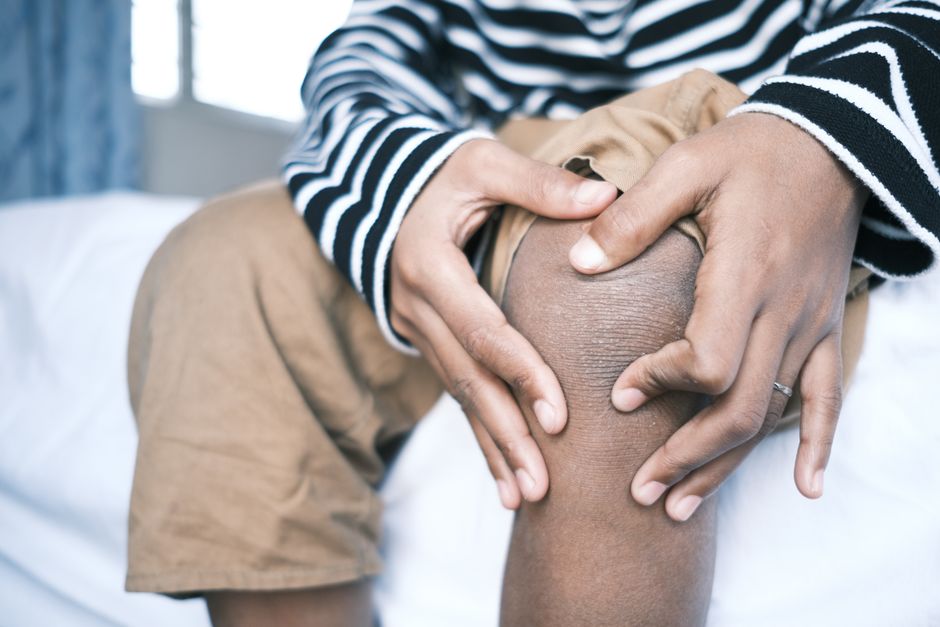
Knee pain is one of the most common reasons runners cut a training cycle short. The fix depends almost entirely on what is causing it, because “runner’s knee” is a description of where it hurts, not a diagnosis. Most running-related knee pain falls into a handful of recognizable patterns, and each one responds to a different combination of load management, strength work, and sometimes a change in footwear or running form.
Why Does Running Cause Knee Pain?
The knee is a hinge between two long levers — the thigh bone above and the shin bone below — and it takes load every time your foot lands. During running, the force traveling through the knee can reach several times your body weight with each stride. Multiply that by thousands of steps per run and the joint accumulates a lot of stress.
That stress is not automatically harmful. Bone, cartilage, and tendon adapt to load when the load is applied gradually and recovery is adequate. Problems tend to appear when the load increases faster than the tissue can adapt, or when the mechanics of the leg direct force to a structure that is not built to handle it.
Several factors commonly push a runner past that threshold:
- A sudden jump in weekly mileage, speed work, or hill running
- Weakness in the hip muscles that control how the thigh rotates and drops during landing
- Weakness or poor endurance in the quadriceps, which help absorb impact
- Worn or mismatched running shoes
- Running on a cambered road or a hard surface without a gradual transition
- Recent weight change, which alters the load per step
It is worth separating two ideas that often get blurred. Pain in a specific spot usually points to a specific structure. Pain that moves around, or that only appears after a certain distance, is often a load problem rather than a tissue problem. That distinction guides treatment.
What Are The Most Common Causes Of Knee Pain From Running?
Most running knee pain fits into a small number of categories. Knowing which one you have matters because the treatments differ.
Patellofemoral Pain (Runner’s Knee)
This is the most common running knee complaint. Pain sits at the front of the knee, around or behind the kneecap. It tends to be worse going down stairs, after sitting for a while, or when running downhill. The kneecap glides in a groove at the end of the thigh bone, and pain here is generally linked to how that joint is loaded rather than to a single injury.
Iliotibial Band Syndrome
The iliotibial band is a thick strip of tissue running down the outside of the thigh from the hip to just below the knee. Pain from this area is felt on the outer side of the knee and often starts at a predictable point in a run — frequently after a set distance. It is common in runners who increase mileage quickly or who run on sloped surfaces.
Patellar Tendinopathy
This produces pain just below the kneecap, at the top of the tendon connecting the kneecap to the shin bone. It is more common in runners who do a lot of jumping, sprinting, or hill work. Tendon pain typically builds gradually and is worse at the start of activity before easing, then worsening again afterward.
Pes Anserine Bursitis
Pain on the inner side of the knee, a few inches below the joint line. This area has a bursa — a small fluid-filled sac — and several tendons that can become irritated. It is less common than the others but follows a similar pattern of overuse.
Meniscus Or Ligament Injury
These are usually acute rather than gradual. A twisting injury, a sudden sharp pain, swelling within hours, or a knee that locks or gives way points toward a structural injury rather than an overuse problem. These need medical assessment, not a training adjustment.
When Should You See A Doctor For Knee Pain?
Most gradual running knee pain can be managed without a specialist. Some signs need prompt medical evaluation.
Seek care if you have:
- Sudden swelling within a few hours of an injury
- A knee that locks, catches, or gives way
- Inability to bear weight
- Pain that wakes you at night or persists at rest
- Fever, redness, or warmth around the joint
- Pain that has not improved after several weeks of sensible load reduction
These features are not typical of ordinary overuse pain and can indicate something that needs imaging or a hands-on exam. A physical therapist or sports medicine physician can usually distinguish between the common patterns above with a clinical exam.





How To Fix Knee Pain From Running: Causes And Treatment
The core treatment for most running-related knee pain is the same: reduce the load that is irritating the tissue, then rebuild the capacity of the muscles and tendons that support the knee. Rest alone rarely solves it, because the underlying weakness or load problem remains when you return.
Step 1: Adjust Load, Not Stop Completely
Complete rest is usually not necessary and can make things worse by deconditioning the leg. Cutting volume — often by a meaningful amount — while keeping some running is a common approach. If running makes the pain worse during the session or the next day, that is a signal to reduce further.
Swapping some runs for low-impact cross-training such as cycling or swimming can maintain fitness while the knee settles. The goal is to find a level of activity the knee tolerates, then build back gradually.
Step 2: Strengthen The Hip And Quadriceps
This is the part most runners skip, and it is usually the part that determines whether the pain comes back. Research consistently shows that hip and knee strengthening reduces pain and improves function in patellofemoral pain.
Useful movements include:
- Squats and split squats, progressing to single-leg versions
- Step-downs from a low box, controlled slowly
- Hip abduction and extension exercises, such as side-lying leg lifts and bridges
- Clamshells and banded side steps
Start with a range and resistance you can do without sharp pain, and increase gradually over weeks. Tendons and muscles adapt slowly. Expect progress over a period of weeks to months, not days.
Step 3: Address Running Form And Footwear
Cadence — the number of steps per minute — is one of the few form variables with reasonable evidence behind it. A modest increase in step rate tends to reduce the load on the knee. Some runners find this helps; others do not. It is worth trying under guidance rather than overhauling your stride entirely.
Shoes matter less than marketing suggests. There is no strong evidence that any single category of shoe prevents knee pain. Replacing worn shoes is sensible, but switching to a radically different shoe type abruptly can itself cause problems.
Step 4: Manage Pain Sensibly
Over-the-counter pain relievers can help you stay comfortable, but they do not fix the underlying issue and should not be used to push through pain that is clearly worsening. Some clinicians recommend ice after activity for short-term comfort, though the evidence for ice as a treatment for overuse injury is limited. It is generally used for symptom relief rather than healing.
If pain is not improving after a few weeks of load adjustment and strengthening, a physical therapist can provide a more specific program and identify anything that has been missed.
Can You Prevent Knee Pain From Running?
You cannot prevent every case, but you can reduce the odds. The most reliable lever is how you progress your training.
Increasing weekly mileage gradually rather than in jumps is a widely accepted principle, though there is no single number that fits every runner. A common approach is to add no more than a small percentage each week and to back off every few weeks. The exact figure matters less than the pattern: steady build, then recovery.
Strength training two or three times a week, with a focus on the hips and quadriceps, is the other main preventive measure. Runners who strength train tend to have fewer overuse injuries, though the evidence is stronger for some injuries than others.
Other sensible habits include varying running surfaces, avoiding a constant road camber, and not increasing intensity and volume at the same time.
How Long Does It Take For Running Knee Pain To Heal?
Timelines vary widely by cause and by how long the problem has been present. Patellofemoral pain often improves over several weeks with consistent strengthening, but full resolution can take longer. Tendon problems tend to be slower, sometimes taking months.
The pattern matters more than the calendar. If pain is steadily decreasing and you can do more each week without a flare, you are on track. If it is unchanged or worsening after several weeks of sensible management, that is the point to get it looked at.
Frequently Asked Questions
Should I stop running completely if my knee hurts?
Usually not. Reducing volume and intensity while keeping some activity is often better than full rest, because complete rest deconditions the leg. Stop only if running makes the pain clearly worse during or after the session.
What is the fastest way to fix runner’s knee?
There is no fast fix, but the most effective approach combines load reduction with hip and quadriceps strengthening. Most people see gradual improvement over several weeks rather than days.
Do I need new running shoes for knee pain?
Not necessarily. There is no strong evidence that a specific shoe type prevents or fixes knee pain. Replacing genuinely worn shoes is reasonable, but a sudden switch to a very different shoe can cause its own problems.
When should I see a doctor for knee pain from running?
See a doctor if you have sudden swelling, a knee that locks or gives way, pain at rest, or pain that has not improved after several weeks of load adjustment and strengthening. These signs suggest something beyond ordinary overuse.
