

Tooth pain rarely comes out of nowhere. It is almost always a warning sign that something inside your mouth needs attention. The most direct way to avoid tooth pain is to prevent the problems that cause it — mainly tooth decay and gum disease — through consistent daily care and regular professional checkups. When pain does appear, it means the issue has usually progressed past the point of simple prevention, and seeing a dentist promptly is the safest course of action.
What Actually Causes Tooth Pain?
Tooth pain is not a single condition. It is a symptom with several possible sources. Understanding the cause matters because the right response depends on what is happening inside your mouth.
The most common cause is dental caries — what most people call cavities. Bacteria in your mouth feed on sugars from food and produce acid. That acid slowly dissolves the hard enamel layer of your teeth. Once the decay reaches the softer dentin underneath, you may feel sensitivity to cold, hot, or sweet foods. If it reaches the pulp — the innermost chamber containing nerves and blood vessels — the pain becomes sharper and more constant.
Gum disease is another major source of pain. When plaque builds up along the gumline, it causes inflammation. Early gum disease, called gingivitis, usually does not hurt. As it advances into periodontitis, the gums pull away from the teeth, forming pockets that can become infected and painful.
Other causes include cracked or fractured teeth, worn enamel from grinding, an abscessed tooth, or an impacted wisdom tooth. Each has different treatment needs, but all share one thing: they are easier to manage when caught early.
How To Avoid Tooth Pain? Guide to Daily Prevention
Prevention starts with removing the bacterial film that causes most dental problems. This film, called plaque, forms constantly on your teeth. If it stays in place for more than a couple of days, it hardens into tartar, which you cannot remove with a toothbrush.
Brush your teeth twice a day with fluoride toothpaste. Use a soft-bristled brush and gentle, circular motions. Brushing harder does not clean better — it can wear away enamel and irritate gums. Spend about two minutes each time, making sure you reach the back teeth where decay often starts.
Floss once a day. A toothbrush cannot reach the tight spaces between teeth. Flossing removes plaque from these areas before it can cause decay or gum inflammation. If traditional floss is difficult to manage, interdental brushes or water flossers are reasonable alternatives, though traditional floss has the longest track record of evidence.
Fluoride is one of the most well-documented tools in dental prevention. It strengthens enamel and helps repair early-stage decay before it becomes a cavity. Most tap water in the United States contains fluoride, and nearly all toothpaste sold in the US does as well. If you rely on bottled water, check whether it contains fluoride, since many brands do not.
Diet Choices That Protect Your Teeth
What you eat directly influences the bacteria that live in your mouth. Sugary and starchy foods feed the bacteria that produce acid. Every time you eat sugar, your mouth stays acidic for about 20 to 30 minutes afterward. Constant snacking keeps that acid bath going all day.
This does not mean you must eliminate sugar completely. It means the frequency of sugar exposure matters more than the total amount. A single soda with a meal is less damaging than sipping the same soda slowly over two hours. When you do eat something sweet, try to do it as part of a meal rather than as a stand-alone snack.
Some foods actively help your teeth. Cheese, milk, and other dairy products contain calcium and phosphate, which can help remineralize enamel. Crunchy vegetables like carrots and celery stimulate saliva production, and saliva is your mouth’s natural defense system. It washes away food particles, neutralizes acid, and carries minerals that repair early enamel damage.
Drinking water throughout the day, especially after meals, is one of the simplest protective habits. It rinses away debris and dilutes the acids in your mouth.



Why Regular Dental Visits Matter
You cannot see or feel the earliest stages of tooth decay. A cavity does not hurt until it has grown deep enough to reach the nerve. By the time you feel pain, the damage is advanced, and the treatment is more involved — often a filling, root canal, or extraction.
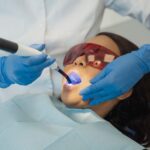
Dentists can spot these problems while they are still small. Professional cleanings remove tartar that brushing cannot touch. X-rays reveal decay between teeth that is invisible to the naked eye. Catching a small cavity early means a simple filling instead of a root canal.
Most dentists recommend a checkup and cleaning every six months. Some people need more frequent visits, especially those with a history of gum disease or a high rate of cavities. If you are unsure what schedule fits your situation, ask your dentist directly. The six-month interval is a general guideline, not a rule for everyone.
Managing Tooth Sensitivity and Grinding
Sensitivity is not the same as tooth pain, but it can progress into pain if left unaddressed. When enamel thins or gums recede, the dentin underneath becomes exposed. Dentin contains microscopic tubules that lead directly to the nerve. Hot, cold, sweet, or acidic foods can trigger a sharp, brief sensation.
Desensitizing toothpaste containing compounds like potassium nitrate or stannous fluoride can help block these tubules. Use it consistently for a few weeks before judging whether it works. If sensitivity persists, it may indicate a deeper problem like a cavity or a cracked tooth, so a dental evaluation is warranted.
Teeth grinding, also called bruxism, is a common cause of tooth pain that many people do not realize they have. Grinding often happens during sleep, so you may wake up with a sore jaw, a dull headache, or pain in your teeth. Over time, grinding wears down enamel and can crack teeth.
If you suspect you grind your teeth, talk to your dentist. A custom night guard — a plastic appliance worn while sleeping — can protect your teeth from the forces of grinding. Over-the-counter guards exist, but custom-fitted ones from a dentist tend to fit better and last longer.
What To Do When Tooth Pain Starts
If tooth pain begins, the correct response is to see a dentist as soon as possible. Pain is a sign that something is actively wrong. Waiting usually makes the problem worse, not better.
While you wait for your appointment, you can take some steps to manage discomfort. Over-the-counter pain relievers like ibuprofen or acetaminophen can help. Follow the dosing instructions on the package. Avoid extremely hot, cold, or sweet foods that may trigger sharper pain. Keep the area clean by brushing gently and flossing around the painful tooth.
Some home remedies circulate online — clove oil, saltwater rinses, garlic. Saltwater rinses are safe and can help keep the area clean. Clove oil has some numbing properties and is used in some dental products. But these are temporary measures. They do not treat the underlying problem, and no home remedy has been shown to cure an infected or decayed tooth.
One situation requires immediate emergency care: facial swelling, especially if it spreads to your eye or makes it hard to swallow or breathe. This can indicate a serious infection that has spread beyond the tooth. Do not wait for a dental appointment — go to an emergency room.
Common Myths About Tooth Pain Prevention
Several popular beliefs about tooth pain do not hold up to evidence.
One myth is that if your teeth do not hurt, they are healthy. This is false. Most dental problems are painless in their early stages. Cavities and gum disease can progress silently for months or years before producing any sensation. This is exactly why regular checkups matter even when you feel fine.
Another myth is that you should not floss if your gums bleed. Bleeding gums are a sign of inflammation, not a reason to stop cleaning. In fact, regular flossing usually reduces bleeding over time as your gums become healthier. If bleeding persists after a week or two of consistent flossing, see a dentist.
Some people believe that sugar-free soda is safe for teeth. It is better than regular soda, but the acidity in carbonated drinks can still erode enamel. Water remains the best choice for your teeth.
Finally, there is no evidence that oil pulling — swishing oil in your mouth for extended periods — prevents cavities or gum disease. Some research suggests it may reduce bacteria in the short term, but it does not replace brushing, flossing, or professional care.
Frequently Asked Questions
How often should I see a dentist to prevent tooth pain?
Most people should have a checkup and cleaning every six months. Your dentist may recommend a different schedule based on your individual risk for cavities or gum disease.
Can tooth pain go away on its own?
Tooth pain can temporarily subside, but it rarely resolves permanently without treatment. The underlying cause — decay, infection, or damage — will continue to progress until a dentist addresses it.
Does flossing really prevent tooth pain?
Yes, flossing removes plaque from between teeth where a toothbrush cannot reach, preventing decay and gum disease in those areas. Daily flossing is a proven part of preventing the two most common causes of tooth pain.
Is sensitivity to cold a sign of a cavity?
Not always. Sensitivity can come from worn enamel, receding gums, or a cavity. If sensitivity is sharp, localized to one tooth, or persists, a dental exam is needed to identify the cause.
