
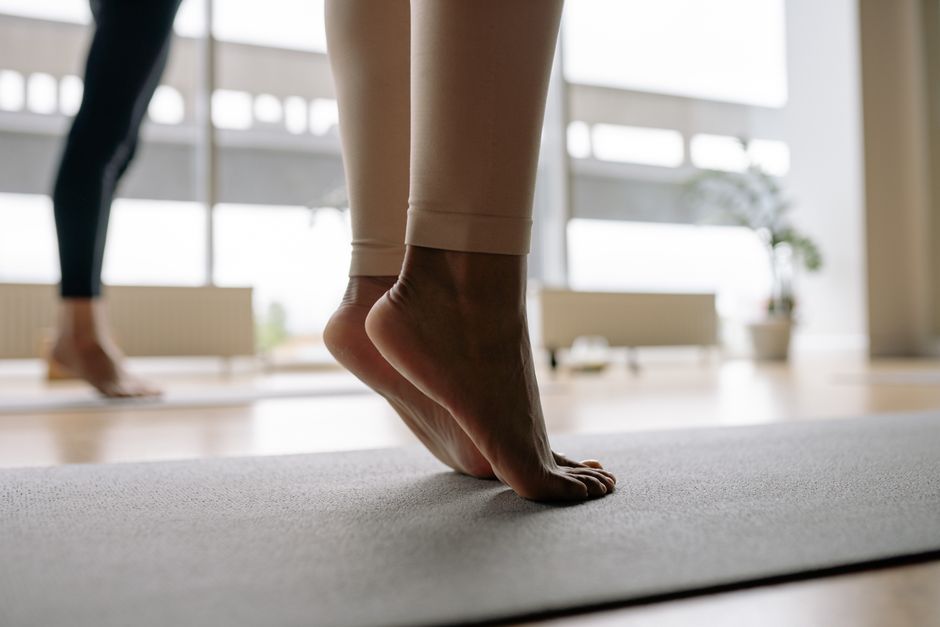
Curled toes can make walking painful and shoes hard to fit. The fix depends entirely on why your toes are curling. Some causes are treatable at home with stretching and better footwear, while others need medical care. The good news is most curled toe problems respond well to early treatment.
What Causes Toes to Curl?
Toes curl when the muscles and tendons that control them become unbalanced. Small muscles in the foot weaken while others tighten. This pulls the toe joints out of their normal position.
Footwear is the most common trigger. Narrow, pointed, or high-heeled shoes squeeze toes into unnatural positions for hours at a time. Over years, this pressure changes how the foot muscles work.
Some medical conditions also cause curled toes. Nerve damage from diabetes can weaken foot muscles. Arthritis can damage toe joints. Stroke and other neurological conditions can cause involuntary toe curling. In rare cases, an injury or surgery on the foot leads to curling.
Age matters too. Foot muscles naturally lose strength over time. Ligaments loosen. These changes make toe deformities more likely as you get older.
What Are the Different Types of Curled Toes?
Doctors group curled toes into three main types. Each affects different joints in the toe.
Hammer toe affects the middle joint of the toe. The toe bends downward at this joint, looking like a hammer. It usually affects the second toe, but any toe can develop it.
Claw toe affects both the middle joint and the joint near the ball of the foot. The toe curls under like a claw. All four smaller toes can be affected at once.
Mallet toe affects only the joint closest to the toenail. The tip of the toe bends down while the rest of the toe stays straight.
Each type has similar causes but may need different treatments. A podiatrist can identify which type you have and recommend the right approach.
Can You Fix Curled Toes at Home?
Yes, for mild cases. Toe exercises and footwear changes can often correct early curling. The key is starting before the joints become rigid.
When a toe deformity first develops, the joints still move freely. This is called a flexible deformity. Stretching and strengthening can realign the toe. If left untreated, the joints stiffen and the toe becomes fixed in the curled position. At that stage, home treatment alone will not work.
Toe stretches are simple and take only minutes a day. Gently pull each toe into a straight position and hold for several seconds. Repeat several times per session.
Another useful exercise is picking up small objects with your toes. Marbles, towels, or pens work well. This strengthens the small muscles inside the foot that hold toes straight.
Walking barefoot on varied surfaces also helps. It forces foot muscles to work in different ways, building strength naturally.
Shoe changes are equally important. Shoes with a wide toe box let toes spread naturally. Avoid pointed toes and high heels. Look for shoes that are at least a half-size larger than your usual size to give toes room.
Silicone toe spacers can help in some cases. They sit between toes and reduce friction. Some research supports their use for mild deformities, but results vary. They are not a cure by themselves.





What Medical Treatments Fix Curled Toes?
When home treatment is not enough, medical options exist. The right choice depends on how stiff the toe has become.
For flexible deformities, a podiatrist may recommend toe splints or orthotic inserts. Splints hold the toe straight, often worn at night. Orthotics support the foot arch and reduce pressure on the toes during the day.
Anti-inflammatory medication can help if arthritis or injury is causing the curling. This treats the pain and swelling but does not straighten the toe itself.
Cortisone injections reduce inflammation in the toe joint. They can provide relief for several months. They do not correct the deformity long-term.
Surgery is the only option that permanently straightens a fixed toe. Several surgical techniques exist. The surgeon may release a tight tendon, remove a small piece of bone, or fuse the joint straight. The procedure depends on the type and severity of the deformity.
Recovery from toe surgery typically takes several weeks. You may need to wear a surgical shoe and avoid putting weight on the foot. Physical therapy helps restore strength and movement.
Surgery is generally successful, but it is not without risks. Infection, nerve damage, and recurrence are possible. Most surgeons try conservative treatment first.
When Should You See a Doctor for Curled Toes?
See a doctor if your toe is painful, red, or swollen. These signs can indicate infection or an injury that needs treatment.
See a doctor if your toe has become rigid and will not straighten when you push on it. This means home treatment is unlikely to work.
See a doctor if you have diabetes or poor circulation. Foot problems can become serious quickly in these conditions. Do not wait to get help.
See a doctor if curling interferes with walking or daily activities. Difficulty finding shoes, pain with every step, or calluses that keep forming are all reasons to seek care.
A podiatrist is the right specialist for toe problems. They can examine your foot, identify the type of deformity, and recommend treatment. In some cases, they may order an X-ray to check the bones and joints.
Can Curled Toes Be Prevented?
Prevention is easier than correction. The most important step is wearing shoes that fit properly.
Choose shoes with a wide toe box that allows all toes to lie flat. Avoid shoes that squeeze the toes together. High heels put extra pressure on the front of the foot and increase deformity risk.
Check your shoes regularly. Feet change size with age and weight changes. Shoes that fit last year may not fit now.
Keep foot muscles strong. Simple toe exercises take two minutes a day. Stretching your calf muscles also helps because tight calves change how you walk and put strain on the forefoot.
If you have a condition that increases your risk, such as diabetes or arthritis, monitor your feet closely. Check for changes in toe alignment, skin condition, and sensation. Early action prevents progression.
What Happens If Curled Toes Are Left Untreated?
Untreated curled toes tend to get worse over time. Flexible deformities become fixed. The toe joints stiffen and can no longer straighten.
Pressure points develop where the curled toe rubs against shoes. Calluses and corns form. The skin can break down, especially in people with diabetes or poor circulation. This can lead to ulcers and serious infections.
Walking pattern changes. You may unconsciously alter your gait to avoid pain. This puts extra strain on other parts of the foot, the ankle, the knee, and the hip. Over time, this can cause pain in these areas.
Balance can also be affected. Toes help with balance during walking and standing. When they cannot function normally, your risk of falling increases.
Early treatment prevents most of these complications. The longer you wait, the harder the deformity is to correct without surgery.
Are There Effective Exercises for Curled Toes?
Several exercises have evidence behind them. They work best for flexible deformities and as part of a broader treatment plan.
Toe stretching is the most basic. Sit with your foot flat on the floor. Gently pull each toe upward and hold for 10 to 15 seconds. Repeat three times per toe.
Toe curls strengthen the muscles on the bottom of the foot. Place a towel flat on the floor. Use your toes to pull the towel toward you, bunching it up. Repeat five times.
Marble pickup is another strengthening exercise. Place marbles on the floor. Pick them up one at a time with your toes and place them in a bowl. This works the small intrinsic muscles of the foot.
Toe spreads improve muscle coordination. Place your foot flat and try to spread all toes apart without lifting them. Hold for five seconds. Repeat ten times.
Calf stretches help indirectly. Tight calf muscles increase pressure on the forefoot. Stretching them reduces this pressure and helps toe muscles work normally.
Consistency matters more than intensity. Five minutes of daily exercise is more effective than thirty minutes once a week.
Frequently Asked Questions
Can curled toes be straightened without surgery?
Yes, if the deformity is still flexible, stretching, toe exercises, and better footwear can often correct it. Once the toe joints stiffen, surgery is the only reliable way to straighten them.
What is the fastest way to fix curled toes?
There is no fast fix. Consistent daily stretching and wearing wide-toe-box shoes are the most effective conservative approaches. Improvement takes weeks to months, not days.
Are toe spacers effective for curled toes?
Silicone toe spacers can reduce friction and pressure between toes, which helps with comfort. Some research supports their use for mild deformities, but they do not correct the underlying muscle imbalance on their own.
Do curled toes get worse over time?
Yes, without treatment, curled toes typically progress from flexible to fixed deformities. Pressure points, calluses, and walking problems develop as the condition worsens.
