
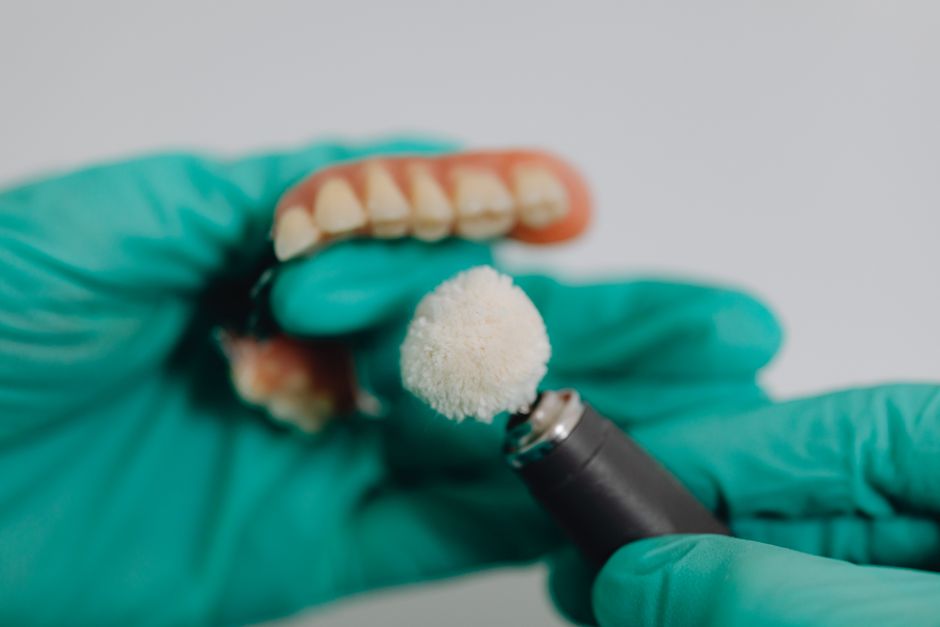
A hole in a denture plate can be frustrating, but the only safe at-home fix is a temporary one using a denture repair kit from a pharmacy. These kits contain a special acrylic powder and liquid that harden to fill small cracks or holes for a few days. Permanent repairs require a dentist or a professional dental lab, as home fixes often fail and can damage the denture further.
What Causes a Hole in a Denture Plate?
Denture plates develop holes for a few reasons. The most common cause is normal wear over time. The acrylic material thins out as you chew and clean the denture. After several years, the plastic can weaken and create a small hole or crack.
Poor fit is another cause. When a denture does not sit properly against the gums, pressure is uneven. This extra force on certain spots can cause the acrylic to break down faster. Dropping the denture onto a hard surface can also create a crack that becomes a hole over time.
Some people report that using harsh cleaners or soaking dentures in bleach causes the material to become brittle. Research published in the Journal of Prosthodontics has shown that bleach can damage denture acrylic. Stick to products made for dentures to avoid weakening the plastic.
How To Fix A Hole In Your Denture Plate At Home Safely
The only at-home method that has any supporting evidence is using a commercial denture repair kit. These kits are sold at most drugstores and online. They contain a powder called polymer and a liquid called monomer. When mixed, they form a hard acrylic that bonds to the denture material.
To use a kit, clean the denture completely and dry it. Mix a small amount of powder and liquid according to the instructions. Apply the mixture to the hole, filling it slightly above the surface. Wait for it to harden, then use a fine file or sandpaper to smooth it down.
This fix is temporary. The American Dental Association states that home repairs should only be used until you can see a dentist. The bond from a kit is not as strong as professional repair. It can break under chewing pressure, especially for larger holes.
Avoid super glue or epoxy. These are not made for mouth use. They can release chemicals when wet and may irritate your gums. They also do not bond well to denture acrylic, so the repair usually fails quickly.
What Does Research on Home Denture Repair Show?
Very few studies have looked at home denture repair kits specifically. The evidence that exists comes mostly from dental journals and professional organizations. The general finding is consistent: home repairs are not reliable for long-term use.
A study in the Journal of the American Dental Association found that professionally repaired dentures had significantly higher strength than those repaired at home. The researchers tested the force needed to break each type of repair. Professional repairs held up to about three times more pressure than home kit repairs.
The CDC also notes that poorly repaired dentures can lead to mouth sores and infections. If the repair has rough edges, food and bacteria can get trapped. This raises the risk of gum irritation and fungal infections like thrush.
Some people report success with home kits for very small holes. This matches what dentists say. A tiny crack or pinhole can sometimes be filled adequately with a kit for a short time. But for any hole larger than a pinhead, professional repair is strongly recommended.





What to Avoid When Trying to Fix a Denture Hole at Home
There are several methods that spread online but have no evidence behind them. Some people suggest using candle wax, paraffin wax, or beeswax to fill a hole. These materials are not strong enough for chewing and can melt at mouth temperature. They also do not bond to acrylic at all.
Other viral suggestions include using baking soda paste, toothpaste, or clear nail polish. None of these are designed for denture repair. Nail polish contains chemicals that are not safe to ingest. Baking soda paste will wash away within minutes. Toothpaste dries and crumbles under pressure.
Do not try to weld or melt the denture plastic with a heat source. Acrylic is flammable and can release toxic fumes when burned. You can permanently ruin the denture shape and make it impossible for a dentist to repair later.
Also avoid cutting or sanding the hole to make it bigger. Some people think a larger surface area helps the repair material stick better. In reality, removing denture material weakens the plate further and makes professional repair harder.
| Method | Evidence Level | Safe for Mouth | Temporary or Permanent |
|---|---|---|---|
| Denture repair kit | Moderate | Yes | Temporary |
| Super glue | None | No | Not recommended |
| Wax or candle | None | No | Not recommended |
| Nail polish | None | No | Not recommended |
| Professional repair | Strong | Yes | Permanent |
When Should You See a Dentist Instead?
You should see a dentist as soon as possible if you have a hole in your denture. Waiting too long can make the problem worse. A small hole can become a large crack that breaks the denture in half. At that point, the denture may need to be completely remade instead of just repaired.
See a dentist immediately if the denture is causing pain or sores in your mouth. A hole can have sharp edges that cut your gums or tongue. This can lead to infection if not treated quickly. The Academy of General Dentistry recommends not wearing a damaged denture that causes pain.
Also see a dentist if the denture no longer fits well. The hole may be a sign that your jawbone has changed shape. Bone loss under dentures is common over time. A reline or new denture may be needed for proper fit and comfort.
If you cannot afford a dentist right away, a dental school clinic can offer lower-cost repairs. Many schools have clinics where students perform procedures under supervision. The cost is usually much less than a private practice. Call your local dental school to ask about their clinic.
How to Prevent Holes in Your Denture Plate
Prevention is better than any repair. The most important step is to handle your denture carefully. Always fill the sink with water or place a towel underneath when cleaning your denture. Dropping it on a hard surface is one of the quickest ways to cause a crack or hole.
Clean your denture daily with a soft brush and a non-abrasive cleaner. Harsh scrubbing can wear down the acrylic over time. The American College of Prosthodontists recommends using a brush specifically made for dentures and avoiding toothpaste, which is too abrasive.
Soak your denture in a denture cleaning solution each night. This helps keep the material from drying out and becoming brittle. Do not use hot water, which can warp the plastic. Use cool or lukewarm water only.
Visit your dentist at least once a year for a denture check. They can spot early signs of wear or thinning that you might not notice. Catching a weak spot before it becomes a hole can save you from needing a repair or replacement.
Frequently Asked Questions
Can I use super glue to fix a denture hole?
No. Super glue is not safe for mouth use and does not bond well to denture acrylic. It can release chemicals into your saliva and cause gum irritation.
How long does a home denture repair kit last?
Most home repair kits last a few days to a week with careful use. The bond is not as strong as professional repair and can break under chewing pressure.
Will a denture repair kit fix a large hole?
No. Repair kits are only suitable for small holes about the size of a pinhead or smaller. Larger holes require professional repair to ensure strength and proper fit.
Can I wear my denture while the repair kit hardens?
No. You should not wear the denture until the repair material is fully hardened and smoothed down. Wearing it too soon can cause the repair to fail and create rough edges that irritate your gums.
