
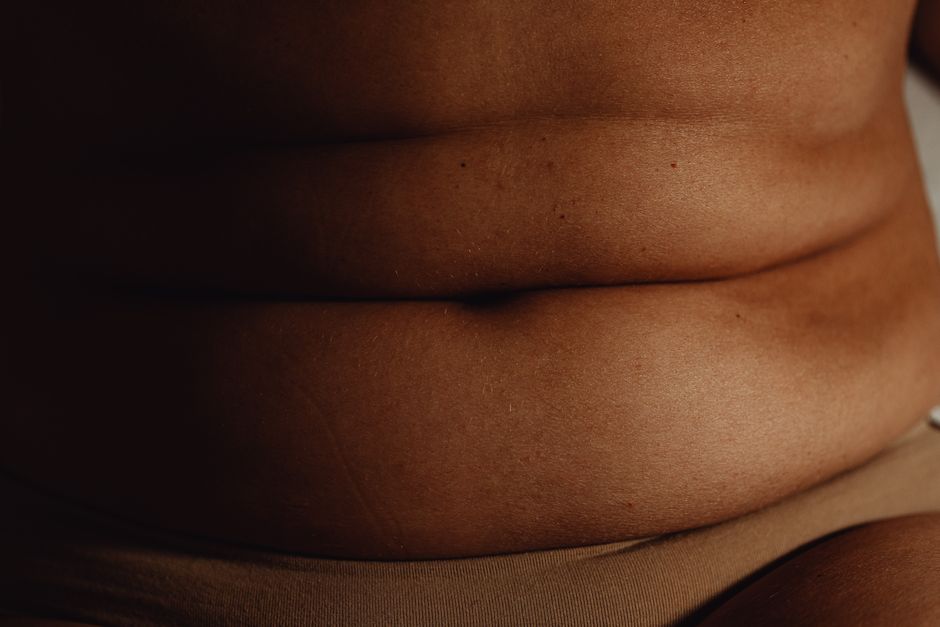
Morbid obesity, also called class III obesity, is defined by a body mass index (BMI) of 40 or higher. It can also be diagnosed at a BMI of 35 or higher if you have at least one serious obesity-related health condition, such as type 2 diabetes or high blood pressure. This definition comes from established clinical guidelines used by doctors worldwide.
What is BMI and how is it calculated?
BMI stands for body mass index. It is a simple number based on your height and weight. The formula is your weight in kilograms divided by your height in meters squared. For most people, it gives a reasonable estimate of body fatness.
To calculate your own BMI, you can use an online calculator or do the math yourself. For example, a person who weighs 100 kilograms and is 1.8 meters tall has a BMI of about 30.9. The number places them in the obese category. But BMI does not measure fat directly. It is a screening tool, not a diagnostic test.
What are the standard BMI categories?
The World Health Organization and the National Institutes of Health use the same BMI ranges for adults. These categories apply to most men and women over age 18. Here is the standard breakdown:
- Underweight: BMI less than 18.5
- Normal weight: BMI 18.5 to 24.9
- Overweight: BMI 25 to 29.9
- Obesity class I: BMI 30 to 34.9
- Obesity class II: BMI 35 to 39.9
- Obesity class III: BMI 40 or higher
Class III obesity is the most severe category. It is sometimes called severe obesity or morbid obesity. The term “morbid” emphasizes that this level of excess weight significantly raises the risk of serious health problems and can shorten life expectancy.
What BMI is considered morbidly obese?
A BMI of 40 or higher is considered morbidly obese, regardless of your health status. A BMI of 35 or higher also qualifies if you have at least one obesity-related condition, such as high blood pressure, type 2 diabetes, sleep apnea, or heart disease. These thresholds are used by major medical organizations to define severe obesity.
The reason for the lower cutoff with health problems is simple: carrying extra weight is more dangerous when it already causes complications. A person with a BMI of 36 and diabetes faces much higher health risks than someone with a BMI of 36 and no related conditions. The definition reflects real differences in medical risk.





Why is morbid obesity a medical concern?
Morbid obesity is not just about appearance. It directly affects how your body works. Excess fat, especially around the abdomen, increases inflammation and alters hormone levels. Over time, this can damage organs and lead to chronic disease.
Research consistently shows that people with a BMI of 40 or higher are at much greater risk for heart disease, stroke, type 2 diabetes, certain cancers, osteoarthritis, and sleep apnea. The condition also puts extra strain on the joints, the heart, and the lungs. Life expectancy can be reduced by 5 to 14 years, depending on other factors.
It is important to note that not everyone with a high BMI develops these problems. But the statistical link is strong. The higher your BMI, the more likely you are to face serious health issues. That is why doctors take morbid obesity seriously and recommend treatment.
What are the limitations of using BMI to define morbid obesity?
BMI is a useful screening tool, but it has well-known limits. It does not distinguish between muscle and fat. A muscular athlete might have a BMI of 32, which is classified as obese, but have very low body fat and no health risks. In that case, the BMI label is misleading.
Body fat distribution also matters. People with excess fat stored around the waist (apple shape) have higher health risks than those with fat mostly on the hips and thighs (pear shape), even at the same BMI. Ethnicity is another factor. Some Asian populations experience obesity-related complications at lower BMIs. For that reason, the World Health Organization recommends lower BMI cutoffs for some groups, such as a BMI of 27.5 instead of 30 for obesity.
Despite these limits, BMI remains the standard tool for defining morbid obesity because it is simple, inexpensive, and backed by decades of research. Doctors often combine BMI with other measurements, such as waist circumference, to get a fuller picture of health risk.
How is morbid obesity diagnosed beyond BMI?
Clinical guidelines do not rely on BMI alone. When a patient has a BMI in the obese range, a doctor will take a complete history and perform a physical exam. Blood tests check for conditions like diabetes, high cholesterol, and fatty liver disease.
Waist circumference is measured because it gives a better estimate of abdominal fat. A waist size over 40 inches in men and over 35 inches in women signals higher health risk. Some clinics also use body fat percentage measurements, though these are not always standardized. The goal is to confirm that the high BMI truly reflects excess body fat and that it is affecting the person’s health.
The diagnosis of morbid obesity, therefore, involves more than just a number. It requires evidence that the excess weight is causing or increasing the risk of medical problems. That is why the official definition includes both BMI values and the presence of obesity-related conditions.
What treatment options are available for morbid obesity?
Treatment for morbid obesity usually involves a combination of approaches. Diet and exercise programs are the foundation, but they often produce only modest weight loss in severe cases. Many people need more structured support.
Medical treatments include prescription weight-loss medications. These drugs are approved for people with a BMI of 30 or higher, or a BMI of 27 or higher with related conditions. They work by reducing appetite or blocking fat absorption. However, they are not a cure and must be used with lifestyle changes.
Bariatric surgery is the most effective treatment for morbid obesity. Procedures like gastric bypass and sleeve gastrectomy can lead to significant, sustained weight loss. They are typically considered for people with a BMI of 40 or higher, or a BMI of 35 or higher with serious health problems. Surgery carries risks, but for many patients, the benefits outweigh them.
No single treatment works for everyone. The best plan depends on your individual health profile, your goals, and your preferences. A doctor can help you weigh the options.
Frequently Asked Questions
Can you be morbidly obese with a BMI under 40?
Yes, if your BMI is 35 or higher and you have at least one serious obesity-related health condition, such as type 2 diabetes or high blood pressure.
Is morbid obesity the same as class III obesity?
Yes, morbid obesity is an older term that is now usually called class III obesity. Both refer to a BMI of 40 or higher, or a BMI of 35 or higher with obesity-related complications.
Does muscle mass affect the BMI definition of morbid obesity?
Yes, BMI does not distinguish between muscle and fat, so a muscular person can have a BMI over 40 without having excess body fat. In that case, they would not be considered medically obese.
What are the treatment options for morbid obesity?
Treatment typically involves lifestyle changes, prescription weight-loss medications, and in severe cases, bariatric surgery. The right approach depends on individual health needs.
