
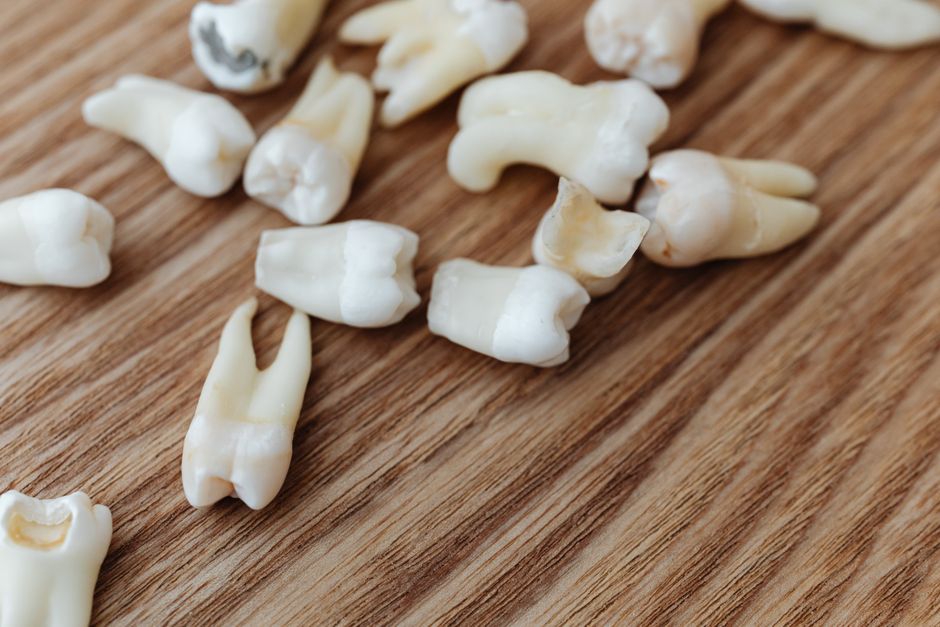
A cracked molar is treated based on how deep the crack goes and whether it has reached the pulp or the root. Small surface cracks are often polished or left alone. Cracks that extend into the tooth usually need a crown or root canal. A tooth split all the way down the root often cannot be saved and needs to be removed. The sooner a dentist examines it, the more options you have.
A cracked tooth is not something to watch and wait on. Cracks do not heal. They tend to get worse under chewing pressure, and a tooth that could have been saved with a crown may become unsalvageable within weeks. This is one of the few dental problems where timing changes the outcome.
What Are the Different Types of Cracked Molar?
Dentists classify cracks by where they start, how deep they run, and which direction they go. Each type has a different prognosis and a different treatment path.
The main categories are:
- Craze lines. Tiny surface cracks in the enamel. Extremely common in adult teeth. Painless and usually need no treatment.
- Fractured cusp. A piece of the chewing surface breaks off, often around a filling. Usually not painful once the sharp edge is smoothed.
- Cracked tooth (the “cracked tooth syndrome”). A crack that starts at the top and runs downward toward the gum line. The tooth is still in one piece. This is the type where treatment decisions matter most.
- Split tooth. A crack that extends all the way down and separates the tooth into segments.
- Vertical root fracture. A crack that begins at the root and runs upward. Often shows no obvious damage on top of the tooth.
The distinction matters because a crack that stays in the enamel or dentin behaves very differently from one that reaches the pulp — the nerve and blood vessel tissue inside the tooth. Vertical root fractures are the hardest to detect and the least likely to be saved.
How To Fix A Cracked Molar Treatment By Severity?
Severity is measured by depth and direction. A crack confined to enamel is a cosmetic and monitoring issue. A crack into dentin exposes the sensitive layer beneath enamel. A crack into the pulp invites infection. A crack that splits the root usually ends the tooth’s future.
Here is how treatment typically maps to severity:
| Crack Severity | Typical Treatment | Outlook |
|---|---|---|
| Craze lines (enamel only) | Usually none; polishing if edges feel rough | Excellent |
| Fractured cusp | Repair or replace the filling; possibly a crown | Good |
| Crack into dentin, pulp not involved | Crown to hold the tooth together | Good if treated early |
| Crack into the pulp | Root canal followed by a crown | Fair to good, depends on crack extent |
| Crack extending below the gum line | Often extraction; sometimes crown lengthening first | Guarded |
| Split tooth or vertical root fracture | Extraction | Tooth cannot be saved |
This is a general map, not a rulebook. A dentist needs to see the crack, often with magnification and sometimes with a cone beam CT scan, before deciding. A crack that looks minor on the surface can run deeper than expected.
When Can a Cracked Molar Simply Be Watched?
Craze lines are the only cracks that routinely need no treatment. They are shallow, they do not reach dentin, and they do not cause pain. Most adults have them. They show up under bright light as thin lines in the enamel.
Fractured cusps are also often straightforward. If a corner of the chewing surface breaks off and the tooth underneath is not sensitive, a dentist can smooth the rough edge or restore the missing piece. The question is whether the break points to an underlying weakness — a large old filling, for example — that needs a crown to prevent further breakage.
Everything deeper than that needs active treatment. A crack into dentin allows chewing forces to pry the tooth apart slightly with each bite, which is why the classic symptom is a sharp pain when you bite down and release. That pain is a signal, not a nuisance to tolerate.





What Does a Crown Do for a Cracked Molar?
A crown holds the tooth together. That is its core job. When a crack runs into dentin but has not reached the pulp, the crown encircles the tooth and stops the crack from spreading under chewing load.
Crowns work best when the crack is caught early and does not extend below the gum line. If the crack reaches the gum line or below it, the crown cannot fully contain it, and the tooth may still fail over time. Some dentists will place a temporary crown first and watch for symptoms before committing to a permanent one — a reasonable approach when the crack’s depth is uncertain.
One point people often miss: a crown is not a cure for a crack that has already infected the pulp. If the nerve is involved, a crown alone will not resolve the problem. The pulp has to be treated first.
When Does a Cracked Molar Need a Root Canal?
A root canal is needed when the crack has reached the pulp and the tissue inside the tooth is inflamed or infected. Signs include lingering pain after hot or cold foods, spontaneous throbbing, or tenderness when biting.
The procedure removes the damaged pulp, cleans and seals the inside of the tooth, and is usually followed by a crown. The crown is not optional here — a root-canaled tooth without a crown is more likely to fracture.
The evidence on cracked teeth treated with root canals is mixed. Some studies suggest that cracks extending to the floor of the pulp chamber have a worse long-term outlook than shallower cracks, and that the tooth may eventually need extraction. This is why a dentist may recommend a root canal and crown but also explain that the tooth’s long-term survival is not guaranteed. It is a reasonable attempt to save the tooth, not a certainty.
When Is Extraction the Right Answer?
Extraction is the answer when the crack cannot be contained. A split tooth is already in pieces. A vertical root fracture cannot be repaired because the crack runs along the root where no restoration can reach. A crack that extends well below the gum line usually falls into the same category.
Keeping a tooth with a vertical root fracture is not just futile — it can be harmful. The crack acts as a pathway for bacteria into the surrounding bone, and chronic infection can damage the bone that would otherwise support an implant or bridge later. Removing the tooth and addressing the infection is the safer path.
After extraction, the options are an implant, a bridge, or a partial denture. An implant is generally considered the closest thing to a replacement tooth, but it requires adequate bone and a healing period. A dentist can explain which options fit your situation.
What Are the Warning Signs You Should Not Ignore?
Pain on biting and releasing is the most characteristic sign of a cracked tooth. It happens because the crack opens slightly under pressure and closes when you release, irritating the pulp. The pain is often brief and sharp rather than dull and constant.
Other signs worth acting on:
- Pain that comes and goes with hot or cold foods
- Sensitivity localized to one tooth
- A rough or sharp edge you can feel with your tongue
- Swelling or tenderness in the gum near one tooth
- A visible line in the tooth under bright light
Not every cracked tooth hurts. Some cracks are silent until they reach the pulp or split. That is part of why regular dental exams matter — a dentist can spot a crack before it causes symptoms.
Can You Prevent a Cracked Molar?
Some cracks are preventable and some are not. Chewing ice, hard candies, unpopped popcorn kernels, and hard nuts are common culprits. So is clenching or grinding the teeth, which puts repeated stress on the chewing surfaces.
Teeth with large fillings are more vulnerable because the filling does not strengthen the remaining tooth structure the way a crown does. A dentist may recommend a crown on a heavily filled tooth before it cracks, though this is a judgment call rather than a universal rule.
A night guard can reduce grinding-related stress. It will not prevent every crack, but for people who grind, it addresses a known contributor.
Frequently Asked Questions
Can a cracked molar heal on its own?
No. Enamel and dentin do not regenerate the way bone does, so a crack will not close. Small craze lines in enamel may cause no problems for years, but deeper cracks tend to worsen under chewing pressure.
How long can you wait with a cracked tooth?
There is no safe waiting period once a crack causes pain or reaches dentin. Cracks can progress to the pulp or split the tooth, and a tooth that could have been saved with a crown may become unsalvageable.
Is a cracked molar a dental emergency?
A cracked tooth with severe pain, swelling, or a loose piece is urgent and should be seen promptly. A painless craze line is not an emergency, but any new crack should be examined before it worsens.
Can a cracked tooth be fixed without a crown?
Sometimes. A fractured cusp can often be repaired with a filling, and craze lines usually need nothing. A crack that runs into dentin generally needs a crown to hold the tooth together.
