
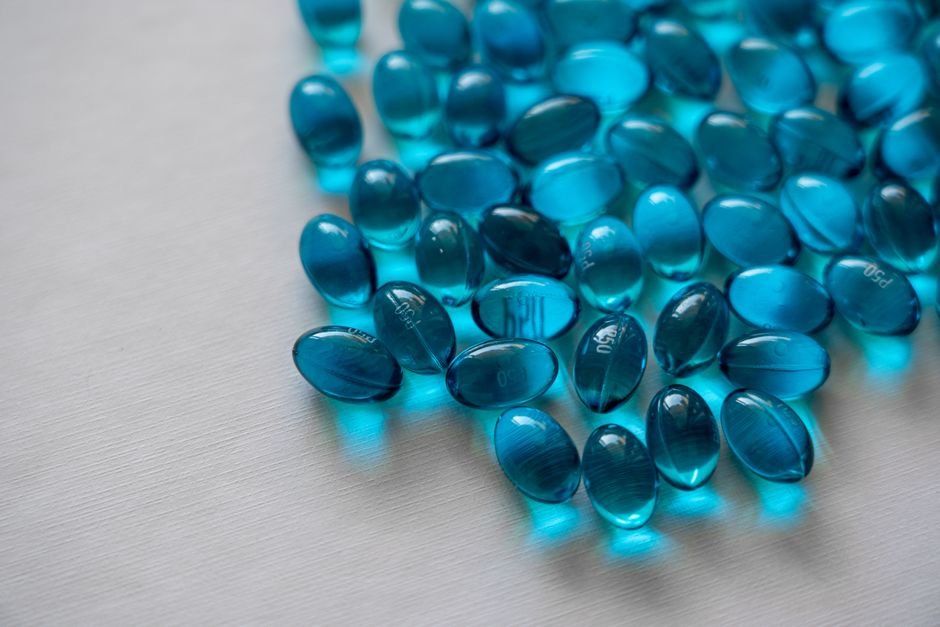
Methylene blue supplements have gained attention for potential effects on brain function, energy, and cellular health. Finding the best one requires checking purity, dosage accuracy, and third-party testing — not just reading marketing claims. The market is growing quickly, and quality varies widely between products.
What Is Methylene Blue and Why Do People Take It?
Methylene blue is a synthetic compound with a long medical history. It has been used as a dye, an antimalarial drug, and a treatment for a condition called methemoglobinemia. Methemoglobinemia is a blood disorder where oxygen cannot bind properly to red blood cells.
In recent years, interest has shifted toward lower-dose use for other purposes. Some researchers study it for cognitive support and cellular energy. The compound interacts with mitochondria — the energy-producing parts of cells — in ways that may influence how cells use oxygen.
This is not a new discovery in medicine, but the supplement use is newer than the clinical use. The distinction matters because medical use and supplement use follow different rules and different evidence.
What Does the Evidence Actually Show?
Clinical evidence for methylene blue is strongest in its approved medical uses. For methemoglobinemia, it is an established treatment with clear dosing guidelines. For cognitive decline and memory, research is early and mostly small-scale.
Some studies have examined methylene blue for Alzheimer’s disease and other neurological conditions. Results have been mixed. No large clinical trial has confirmed that methylene blue supplements improve memory or thinking in healthy people.
There is biological plausibility behind the interest. Methylene blue can cross the blood-brain barrier and interacts with cellular energy systems. But biological plausibility is not the same as proven benefit. Anyone considering this supplement should understand that the evidence base for everyday use remains limited.
How To Find The Best Methylene Blue Supplement
The best methylene blue supplement starts with pharmaceutical-grade or USP-grade material. This means the compound meets standards for purity and consistency used in drug manufacturing. Some products sold online do not meet these standards.
Look for products that state their grade clearly on the label. “Lab grade” is not the same as pharmaceutical grade. Lab grade may contain impurities that make it unsuitable for human consumption. The difference is not cosmetic — impurities can cause harm.
Third-party testing is another marker of quality. Independent laboratories can verify that the product contains what the label claims. They also check for heavy metals, solvents, and other contaminants. A company that refuses to share third-party results raises questions about its product.
Dosage accuracy matters as much as purity. Methylene blue is potent at low doses. A product with inconsistent dosing can deliver too much or too little. Look for manufacturers that provide clear milligram amounts per serving and batch-specific testing data.


What Form Should You Choose?
Methylene blue supplements come in liquid drops, capsules, and tablets. Liquid forms allow precise dose adjustment but require careful measuring. Capsules and tablets offer convenience but make dose adjustment harder.
Liquid methylene blue has a distinct blue color that can stain clothing and surfaces. It can also turn urine and stool blue or green. This is a known and harmless effect, but it surprises many people.
Capsules may contain additional ingredients — fillers, binders, or other compounds. Check the full ingredient list. Some products combine methylene blue with other supplements. These combinations have not been well studied, and the added ingredients may not be necessary.
There is no strong evidence that one form works better than another. The best choice is the form that allows accurate, consistent dosing from a reputable manufacturer.
What Purity Standards Should You Look For?
Pharmaceutical-grade methylene blue should meet standards set by pharmacopeias — official books of drug standards. In the United States, the relevant standard is the United States Pharmacopeia or USP. Products meeting this standard have verified purity and contaminant limits.
Some products are sold as “veterinary grade” or “aquarium grade.” These are not appropriate for human consumption. They may contain higher levels of impurities or different concentrations than labeled.
Ask the manufacturer directly about their sourcing and testing. Reputable companies will answer questions about their raw material supplier, testing methods, and quality control processes. Vague answers or refusal to provide documentation are warning signs.
Certificates of analysis should be available for each batch. These documents show what testing found in that specific batch — not a generic report. Batch-specific testing is the standard you want.
What Doses Are Actually Used?
Clinical use of methylene blue for methemoglobinemia uses doses of 1 to 2 mg per kilogram of body weight. That is a medical treatment given under supervision, not a supplement dose.
Supplement products typically offer much lower doses, often in the range of 5 to 50 mg. Some research studies on cognitive effects have used doses around 15 to 50 mg. These are not established recommendations — they are doses used in specific studies.
No official dietary supplement guidelines exist for methylene blue. The FDA has not evaluated methylene blue supplements for safety or effectiveness for any dietary purpose. This means no authoritative body has set a safe or effective dose range.
Start low if you choose to use it. But understand that “start low” is practical advice, not a clinical guideline. No clinical guidelines currently exist for methylene blue as a dietary supplement.
What Are the Risks and Side Effects?
Methylene blue can interact with medications. The most serious interaction risk involves SSRIs and SNRIs — antidepressants like sertraline, fluoxetine, and venlafaxine. Combining these with methylene blue can cause serotonin syndrome, a potentially dangerous condition.
Serotonin syndrome occurs when too much serotonin accumulates in the body. Symptoms include agitation, confusion, rapid heart rate, and muscle twitching. This interaction is well documented and serious.
People with glucose-6-phosphate dehydrogenase deficiency — G6PD deficiency — should not take methylene blue. In these individuals, the compound can cause hemolytic anemia, a condition where red blood cells break down too quickly.
Other side effects include nausea, stomach upset, and headache. At higher doses, methylene blue can cause more serious effects. The compound is not risk-free, and the risk profile at supplement doses is not well characterized.
Who Should Avoid Methylene Blue?
Pregnant women should not take methylene blue. It has been associated with fetal harm in some clinical contexts. No safety data supports its use during pregnancy.
People taking antidepressants — especially SSRIs or SNRIs — should avoid it entirely. The interaction risk is real and potentially severe. This is not a theoretical concern; it is documented in medical literature.
People with kidney or liver disease should also exercise caution. These organs process and clear the compound from the body. Impaired function could lead to higher blood levels than expected.
Anyone with a history of serotonin-related conditions or who is unsure about their medication interactions should speak with a doctor first. This is not a supplement to add without medical guidance.
How To Evaluate a Product Label
A good label states the exact milligram amount of methylene blue per serving. It identifies the grade of the compound. It lists all ingredients — not just the active one. And it provides contact information for the manufacturer.
Look for a certificate of analysis that matches the batch you are buying. Some companies post these online. Others provide them on request. If neither is possible, treat the product with suspicion.
Check whether the company tests for heavy metals like lead, arsenic, and mercury. These contaminants can appear in poorly refined products. Third-party testing should screen for them.
Be wary of products that make bold claims about curing or treating diseases. Methylene blue supplements cannot claim to treat Alzheimer’s, depression, or any other condition. No supplement can legally make such claims without FDA approval.
What Questions Should You Ask the Manufacturer?
Ask where the raw material comes from. Ask what grade it is. Ask which independent laboratory tests the final product. Ask how often testing happens — every batch or only occasionally.
Ask about the solvent used in liquid products. Some liquids contain propylene glycol or other carriers. Make sure you are comfortable with every ingredient in the bottle.
Ask about storage stability. Methylene blue can degrade over time, especially when exposed to light. A good manufacturer will provide storage guidance and expiration dates.
Reputable companies answer these questions directly. They have documentation and are willing to share it. Companies that deflect or avoid answering are not worth your money.
Frequently Asked Questions
What is the difference between pharmaceutical grade and lab grade methylene blue?
Pharmaceutical grade meets official purity standards for human use. Lab grade may contain impurities and is not intended for consumption.
Can methylene blue supplements interact with antidepressants?
Yes, combining methylene blue with SSRIs or SNRIs can cause serotonin syndrome. This is a serious and documented interaction that should be avoided.
How long does methylene blue stay in your system?
Methylene blue is processed and eliminated relatively quickly, but it can discolor urine for up to several days. The exact duration varies by dose and individual metabolism.
Is methylene blue safe to take every day?
No long-term safety studies exist for daily methylene blue supplement use. The effects of chronic use at supplement doses have not been established.
