
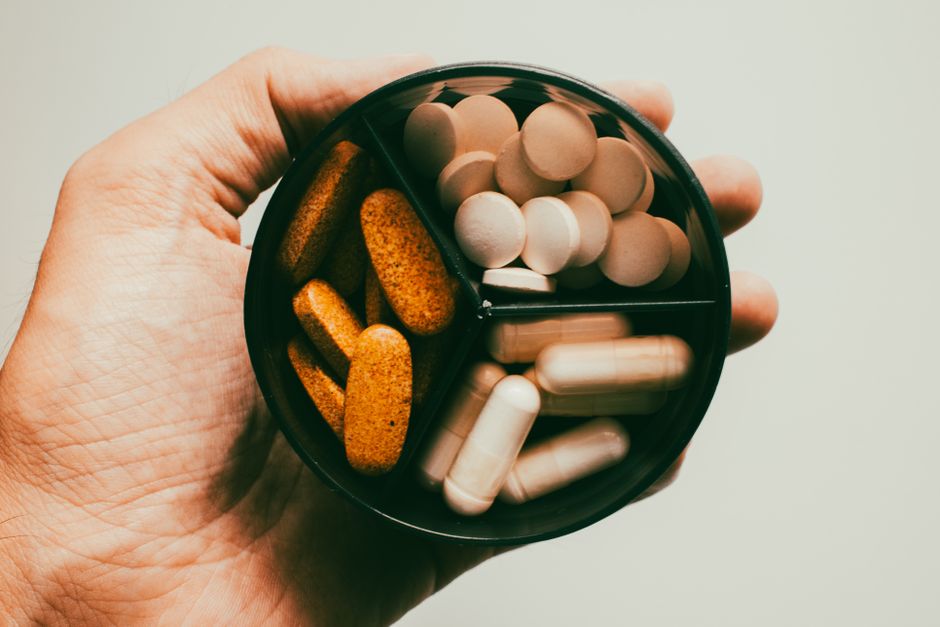
Walk into any health food store and you will see rows of mushroom supplements promising better focus, stronger immunity, and deeper sleep. The problem is that most of these products are not tested the way drugs are, and the label often tells you very little about what is actually inside the bottle. What to look for in a mushroom supplement comes down to a few concrete things: the exact species name, whether the product is made from whole mushroom fruiting bodies or from mycelium grown on grain, how it was extracted, and whether a third-party lab has verified the contents. If a label cannot tell you these basics, there is no way to judge whether the product does anything at all.
Why Does the Label Matter More Than the Marketing?
Dietary supplements in the United States are regulated as food, not as drugs. The FDA does not review mushroom supplements for safety or effectiveness before they reach the shelf. That means the responsibility for quality falls largely on the manufacturer, and the label is often the only information a buyer has.
This is not a small gap. Independent testing has repeatedly found that some mushroom products contain little or none of the mushroom species listed on the label. Some contain fillers, starch, or grain that was never fully consumed by the growing mycelium. A few have been found to contain mushrooms not listed at all, which matters for people with allergies.
None of this means every product is unreliable. It means you cannot assume quality based on packaging or price. You have to read the label with specific questions in mind.
What Is the Difference Between Fruiting Body and Mycelium?
The mushroom you picture when you hear the word — the stem and cap — is called the fruiting body. It is the reproductive structure the fungus grows above ground or on wood. Mycelium is the network of thread-like cells that grows underneath, more like roots.
Many supplements use mycelium because it is cheaper and faster to grow in large tanks. The problem is how it is grown. Mycelium is usually cultivated on grain, such as rice or oats. If the grain is not fully colonized and separated before processing, the final powder can be mostly starch from the grain rather than fungal material.
Some products list “mycelium biomass” or “myceliated grain” on the label. That phrasing often signals that grain is included. Fruiting body products are generally more expensive to produce but contain a more concentrated fungal material.
Which is better is genuinely debated. Some research suggests certain compounds are present in both, while other compounds differ between fruiting body and mycelium. The evidence is not settled, and much of the human research has used specific extracts that may not match what is on the shelf. What is clear is that the label should tell you which one you are buying.
What Do Extraction Methods Actually Change?
Mushrooms contain compounds that are not easily absorbed by the human body in raw form. Extraction is the process of breaking down the fungal cell walls so those compounds become more available.
Two main methods are used:
- Hot water extraction pulls out water-soluble compounds, including beta-glucans, which are a type of polysaccharide studied for immune effects.
- Alcohol extraction pulls out compounds that dissolve in alcohol, such as certain triterpenes found in reishi and other species.
Some products use both methods and are labeled “dual extract.” Others use only one. The label should state the method and, ideally, the ratio of raw mushroom to finished extract. A ratio like 10:1 means ten parts raw material were used to make one part extract.
What extraction does not do is guarantee a clinical effect. Extraction affects how much of a compound ends up in the product and how well it may be absorbed. Whether that translates into a health benefit depends on the species, the dose, and the person — none of which the extraction method alone can tell you.
Which Mushroom Species Have Real Research Behind Them?
Several species have been studied in humans, though the quality and amount of evidence varies widely.
Lion’s mane (Hericium erinaceus) has been studied for cognitive effects. Some small human trials suggest possible benefits, but the studies are limited in size and duration. Larger trials are needed before any firm conclusion can be drawn.
Reishi (Ganoderma lucidum) has been studied for immune and inflammatory effects. Much of the research is preliminary or done in laboratory settings rather than in people.
Chaga (Inonotus obliquus) and turkey tail (Trametes versicolor) have been studied for immune-related activity, often in combination with conventional treatment in cancer research settings. This does not mean they treat cancer. It means researchers have looked at whether they might support immune function alongside standard care.
Cordyceps has been studied for exercise performance and oxygen use, with mixed results across small trials.
For most species, the honest summary is that early research is interesting but not conclusive. Anyone claiming a mushroom supplement is proven to treat a specific disease is going beyond what the evidence supports.
How Can You Tell If a Product Is Third-Party Tested?
Third-party testing means a lab not connected to the manufacturer has checked the product. This matters because it catches problems the manufacturer might miss or ignore, such as contamination, incorrect species, or low levels of active compounds.
Look for:
- A certificate of analysis, sometimes available on the company website or by request
- Testing for heavy metals, which mushrooms can absorb from soil
- Testing for microbial contamination
- Verification that the beta-glucan content matches what the label claims
Some companies use independent certifications. Others publish lab results directly. If a company will not share testing information when asked, that is worth noting.
One detail that trips people up: beta-glucan content is not the same as “polysaccharide” content. Some labels list total polysaccharides, which can include starch from grain. Beta-glucan is the specific compound most often linked to immune research, so a label that separates the two is more useful.
What Should You Avoid on a Mushroom Supplement Label?
Certain phrases and omissions should make you cautious.
If the label lists only “mushroom extract” without naming the species, you have no way to know what you are taking. If it lists “proprietary blend” without amounts, you cannot tell how much of each ingredient is present.
If it claims to cure or treat a disease, that is a red flag. Dietary supplements cannot legally make disease treatment claims in the United States, and any product that does is either breaking the rules or selling something regulated as a drug without saying so.
If it lists mycelium but does not specify whether grain is included, the product may be largely starch. If it does not mention testing for heavy metals, there is no way to know whether that step was done.
None of these are automatic proof of a bad product. They are signs that the manufacturer has not given you enough information to judge.
Does Dose or Serving Size Tell You Anything Useful?
Dose is one of the hardest things to evaluate in mushroom supplements because there is no standard. Unlike vitamin C or iron, where recommended daily amounts are established, mushrooms do not have agreed-upon dosing for most uses.
Some studies have used specific extracts at specific amounts, but those amounts do not always match what is sold in stores. A product might contain 500 mg of a mushroom powder, while a study used a concentrated extract equivalent to several grams of raw material. The numbers are not comparable.
What you can do is check whether the serving size seems plausible relative to the extraction ratio. A 1:1 powder is mostly raw material, so a small dose may contain very little. A 10:1 extract is more concentrated, so a smaller amount may deliver more.
For pregnant women, breastfeeding women, and children, no clinical guidelines currently exist for mushroom supplement dosing. Anyone in these groups should talk to a healthcare provider before using them.
Are There Risks or Interactions to Know About?
Mushroom supplements are not risk-free. Some species can interact with medications, particularly blood thinners and immunosuppressants. Reishi and others have been studied for effects on the immune system, which means they could theoretically interfere with drugs that suppress or stimulate immunity.
Some people experience digestive upset, allergic reactions, or other side effects. People with mushroom allergies should avoid all mushroom supplements.
Because supplements are not tightly regulated, contamination is also a concern. Heavy metals, pesticides, and mold have been found in some products. Third-party testing reduces this risk but does not eliminate it.
The evidence on long-term safety for most mushroom supplements is limited. Short-term use in studies has generally been well tolerated, but that does not tell us about years of daily use.
Frequently Asked Questions
What is the most important thing to look for in a mushroom supplement?
The exact species name and whether the product uses fruiting body or mycelium. Without that information, you cannot judge what you are buying.
Are mushroom supplements regulated by the FDA?
No, they are regulated as dietary supplements, not drugs. The FDA does not review them for safety or effectiveness before they are sold.
Is fruiting body better than mycelium?
The evidence is mixed, and both can contain beneficial compounds. What matters most is that the label clearly states which one is used and whether grain is included.
Can mushroom supplements interact with medications?
Yes, some species may interact with blood thinners, immunosuppressants, and other drugs. Talk to a healthcare provider if you take prescription medications.
