
Finding a good optometrist comes down to checking their credentials, understanding the full cost of care, and knowing what questions to ask before you book. Many people assume all eye doctors are the same, but their training, equipment, and pricing can vary widely. A good optometrist holds a Doctor of Optometry (OD) degree from an accredited school, is licensed in your state, and has no history of disciplinary actions. The cost of care depends on your insurance, the type of exam, and whether you need specialty services like contact lens fittings or medical management of eye diseases. You can find a qualified optometrist by using your state’s licensing board website, asking your primary care doctor for a referral, and calling ahead to verify pricing and insurance acceptance.
What Credentials Should a Good Optometrist Have?
The most basic credential is a Doctor of Optometry (OD) degree from a school accredited by the Accreditation Council on Optometric Education. After graduation, the optometrist must pass national board exams and get a license from their state’s optometry board. You can look up any optometrist’s license status on your state’s licensing board website for free. This will tell you if their license is active and if there have been any complaints or disciplinary actions.
Some optometrists pursue additional training through a residency program, usually one to two years in a specialty area like pediatric optometry, ocular disease, or low vision rehabilitation. Board certification from the American Board of Optometry is voluntary but signals a commitment to staying current. An optometrist who is a Fellow of the American Academy of Optometry (FAAO) has passed an extra exam and is often more involved in research and advanced practice. For routine eye exams, a standard OD license is enough. For complex conditions like glaucoma or macular degeneration, you may want someone with a residency or board certification.
How Much Does a Good Optometrist Cost?
The cost of an eye exam varies by location, the optometrist’s experience, and what the exam includes. According to the American Optometric Association, the average cost of a comprehensive eye exam without insurance is between $100 and $250. This typically includes a vision test, a check for eye diseases, and a prescription for glasses or contacts. If you need additional tests like retinal imaging or visual field testing, the price goes up by $20 to $100 per test.
Insurance changes the picture significantly. If you have vision insurance through VSP, EyeMed, or a similar plan, your copay is usually $10 to $50 for an exam. Medical insurance like Medicare or private health plans may cover eye exams if you have a medical condition like diabetes or cataracts. Always call the office and confirm they accept your insurance before booking. Ask for a good faith estimate of the total cost, including any extra fees for contact lens fittings or retinal photos. Some offices charge a separate “contact lens evaluation fee” of $50 to $150 even if you already had a comprehensive exam.
How Can You Verify an Optometrist’s Reputation?
Online reviews on Google, Yelp, and Healthgrades give you a sense of patient satisfaction, but they are not a substitute for checking professional credentials. Look for patterns in reviews. If multiple people mention long wait times, rushed exams, or billing problems, those are real concerns. If reviews are overwhelmingly positive but focus only on frame selection and nice staff, the clinical care may be average.
The best way to verify reputation is through professional sources. Your state’s optometry board website is the most reliable place to check for disciplinary actions. The American Board of Optometry website has a search tool for board-certified optometrists. You can also ask your primary care doctor or an ophthalmologist for a referral. They know which optometrists in your area handle complex cases well and which ones are just trying to sell expensive frames.





Does the Optometrist’s Office Equipment Matter?
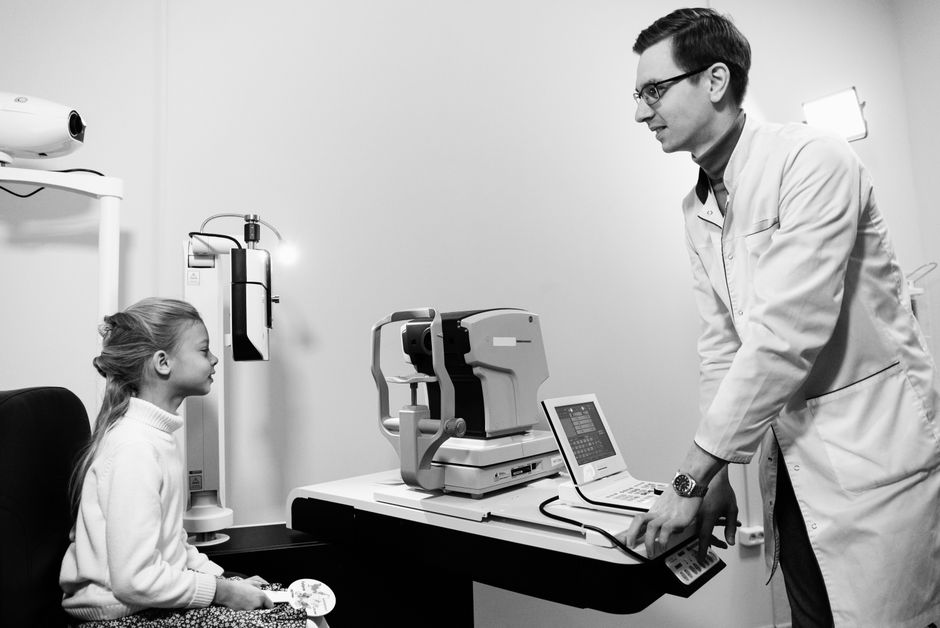
Yes, the equipment in the office affects the quality of your exam. A good optometrist will have modern diagnostic tools like a slit lamp, a tonometer for checking eye pressure, and a retinal camera. Many offices now use optical coherence tomography (OCT), which takes a detailed 3D image of your retina and optic nerve. This is especially important for detecting glaucoma and macular degeneration early. Some studies suggest that OCT can detect retinal damage years before symptoms appear.
You do not need the most expensive equipment for a routine exam. A standard comprehensive exam with a slit lamp and a dilated eye exam is sufficient for most healthy adults. However, if you have a family history of eye disease or are over 60, an office with OCT and visual field testing is worth seeking out. When you call to book, ask what equipment they use for retinal imaging. If they say “we do a thorough exam without all that fancy stuff,” that may mean they are using outdated tools. The American Academy of Ophthalmology recommends dilated eye exams every one to two years for adults over 40, regardless of vision changes.
What Should You Look For in a Contact Lens Fitting?
Contact lens fittings are separate from a standard eye exam and cost more. A proper fitting includes measurements of your cornea’s curvature, tear film evaluation, and a trial pair of lenses to assess fit and comfort. The optometrist should also check for signs of dry eye or corneal damage. Some offices rush through this or only offer one brand of lenses because of financial deals with manufacturers.
If you have astigmatism, presbyopia, or dry eye, you need an optometrist who fits specialty lenses like toric, multifocal, or scleral lenses. A good optometrist will have a trial lens inventory that includes multiple brands and types. They should also schedule a follow-up visit to check how the lenses are working after a week or two. The cost of a contact lens fitting ranges from $50 to $250, and some offices waive this fee if you buy a year’s supply of lenses from them. Ask about the fitting fee and the return policy for lenses that do not work for you.
How Does Optometrist Cost Compare by Practice Type?
| Practice Type | Typical Exam Cost (No Insurance) | Pros | Cons |
|---|---|---|---|
| Private practice optometrist | $150 – $250 | More time per patient, personalized care, wide lens selection | Higher cost, may push in-house frame sales |
| Chain retail store (e.g., LensCrafters, Warby Parker) | $80 – $150 | Lower cost, convenient locations, same-day glasses | Less time per patient, limited specialty lens options |
| Corporate optical (e.g., Walmart, Costco) | $70 – $130 | Lowest cost, no membership required for exam | High patient volume, limited medical eye care |
| Academic or hospital-based clinic | $100 – $200 | Access to specialists, advanced equipment, teaching environment | Longer wait times, may be seen by students |
Chain stores and corporate opticals are fine for a basic exam if you have no eye health concerns. If you have a medical condition like diabetes, glaucoma, or a history of retinal problems, a private practice or hospital-based clinic is usually a better choice. The optometrist in these settings is more likely to coordinate care with your other doctors and have access to advanced diagnostic tools.
What to Avoid When Choosing an Optometrist
Avoid optometrists who pressure you into buying frames or contact lenses during the exam. Some offices push sales by telling you your prescription is only valid if you buy glasses from them, which is not true. Federal law requires them to give you your prescription immediately after the exam, no purchase necessary. If an office refuses to release your prescription, that is a red flag.
Also avoid optometrists who do not perform a dilated eye exam on adults. Dilation is the only way to see the full retina and detect early signs of disease. Some offices skip it to save time or because they do not have the staff to handle the recovery area. If your optometrist does not dilate your eyes and you are over 40 or have risk factors, find a different doctor. The same goes for offices that use automated refraction machines as a substitute for a manual refraction. Automated readings are a starting point, but a skilled optometrist must fine-tune the prescription based on your feedback.
Common Misconceptions About Optometrists
Many people think optometrists and ophthalmologists are the same. They are not. Optometrists (OD) are primary eye care providers who do exams, prescribe glasses and contacts, and treat common eye conditions. Ophthalmologists (MD) are medical doctors who perform eye surgery and treat complex eye diseases. For routine eye exams and glasses, an optometrist is the right choice. If you need cataract surgery, glaucoma surgery, or treatment for retinal detachment, see an ophthalmologist.
Another misconception is that a more expensive exam means better care. Cost does not always equal quality. A $250 exam at a boutique office may include the same tests as a $100 exam at a chain store. What matters is the optometrist’s training, the thoroughness of the exam, and whether they take the time to answer your questions. The most expensive office in town may just have nicer furniture and a bigger frame selection, not better clinical skills.
Frequently Asked Questions
How do I check an optometrist’s license?
Go to your state’s optometry board website and use their license lookup tool. Enter the optometrist’s name to see if their license is active and if there are any disciplinary actions.
Does vision insurance cover the full cost of an eye exam?
Most vision insurance plans cover a comprehensive exam once a year with a copay of $10 to $50. Additional tests like retinal imaging or contact lens fittings are often not covered.
Can I get my prescription without buying glasses at the same office?
Yes, federal law requires optometrists to give you your prescription immediately after the exam. You can take it to any optical store to buy glasses or contacts.
How often should I see an optometrist?
Adults under 40 with no eye problems should have an exam every two years. Adults over 40 or with risk factors like diabetes should go every one to two years.
