
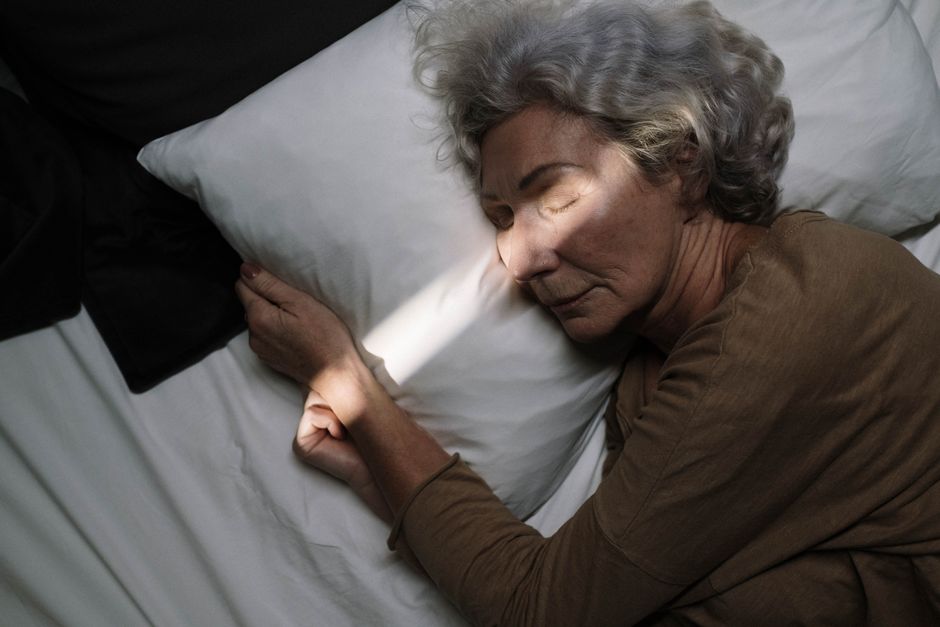
Falling asleep quickly is not about willpower. It is about giving your brain the right conditions to do what it is already wired to do. The most proven methods work by lowering your core body temperature, calming your nervous system, or anchoring your body clock to a consistent schedule. If you want to fall asleep faster tonight, start with the basics: keep your room cool, put your phone away, and go to bed at the same time you did yesterday. These are not trends. They are backed by decades of sleep research.
What Actually Happens When You Try to Fall Asleep?
Your body does not just shut down when you close your eyes. It goes through a series of steps controlled by two main systems: the circadian rhythm and the sleep drive.
The circadian rhythm is your internal 24-hour clock. It responds to light and darkness. When evening comes, your brain produces more melatonin, a hormone that signals it is time to sleep. The sleep drive is different. It builds up the longer you stay awake. Adenosine, a chemical in the brain, accumulates during waking hours and makes you feel increasingly sleepy.
When both systems align, you fall asleep naturally. When they do not align, you lie awake. This is why staying up late on weekends and sleeping in on Monday can make Sunday night so difficult. You have shifted your clock.
Your core body temperature also matters. It naturally drops in the evening and reaches its lowest point in the middle of the night. A cooler room helps this process. Most sleep researchers recommend a bedroom temperature around 65 degrees Fahrenheit, though individual comfort varies.
How To Fall Asleep Quickly Proven Methods That Work
The fastest way to fall asleep is to use methods that target your body’s built-in sleep systems. These are the techniques with the strongest evidence behind them.
The 4-7-8 breathing method is one popular technique. You inhale through your nose for four seconds, hold your breath for seven seconds, and exhale slowly through your mouth for eight seconds. Repeat this cycle several times. The method works by activating your parasympathetic nervous system, which slows your heart rate and lowers blood pressure. Some studies suggest slow breathing exercises improve sleep quality, though the specific 4-7-8 pattern has limited direct research.
Progressive muscle relaxation has more solid evidence. You tense each muscle group in your body for about five seconds, then release. Start at your toes and work up to your face. A well-known study from 2010 found that progressive muscle relaxation helped people with insomnia fall asleep faster than those who did not use it. The technique reduces physical tension and shifts your focus away from racing thoughts.
Stimulus control therapy is the most evidence-based approach for chronic sleep problems. The idea is simple: your bed should only be associated with sleep. If you cannot fall asleep within 20 minutes, get out of bed and do something quiet in dim light. Return to bed only when you feel sleepy again. This may seem counterintuitive, but it trains your brain to connect your bed with sleep rather than with frustration.
Military method is a technique that circulates online. It involves relaxing your face, dropping your shoulders, and letting go of tension in your legs and arms. Some claim it was developed for pilots who needed to fall asleep in two minutes. There is no published research confirming its effectiveness. It borrows elements from progressive muscle relaxation and may work for some people, but do not treat it as scientifically proven.
Why Your Phone Keeps You Awake Longer Than You Think
Screen light is a genuine problem. The blue light emitted by phones, tablets, and computers suppresses melatonin production. This delays the onset of sleep and reduces the quality of sleep you get.
But light is not the only issue. The content itself matters. Checking work emails, reading stressful news, or scrolling through social media activates your brain. It keeps you engaged and alert. Even casual scrolling can become a habit that delays bedtime by 30 minutes or more without you noticing.
The practical solution is straightforward. Stop using screens at least 30 minutes before bed. If you must use your phone, enable night mode and lower the brightness. Keep the phone out of the bedroom entirely if you can. A physical alarm clock removes the need to have your phone near your bed.
Research consistently shows that people who use screens in bed take longer to fall asleep and report worse sleep quality. This is one of the most consistent findings in modern sleep science.





Does Melatonin Actually Work?
Melatonin supplements are widely used, but the evidence is more nuanced than marketing suggests. Melatonin is not a sleeping pill. It does not knock you out. It signals to your brain that it is time to sleep.
For people with delayed sleep phase syndrome or jet lag, melatonin has decent evidence. It can help shift your body clock. For general insomnia, the results are modest. Some studies show people fall asleep slightly faster, but the effect is small compared to behavioral techniques.
The bigger issue is dosing. Many supplements contain far more melatonin than your body naturally produces. Typical doses range from 1 to 10 milligrams, but your brain naturally produces far less than one milligram. Higher doses do not work better. They can cause vivid dreams, morning grogginess, or headaches.
If you choose to try melatonin, start with a low dose around 1 milligram. Take it one to two hours before bed. No clinical guidelines currently exist for long-term daily use in otherwise healthy adults. If you have been taking it every night for months and cannot sleep without it, talk to a doctor.
What To Do When You Wake Up in the Middle of the Night
Waking up at 3 a.m. and lying there for hours is a different problem than struggling to fall asleep initially. The frustration makes it worse. Your brain starts racing, and your heart rate climbs.
The first rule is to avoid looking at the clock. Checking the time tells your brain to calculate how much sleep you have left. That calculation triggers anxiety. Turn the clock away or leave your phone in another room.
Use the same stimulus control rule from earlier. If you have been awake for what feels like 20 to 30 minutes, get out of bed. Go to a different room. Sit in a comfortable chair and read something boring under dim light. Do not turn on bright lights or pick up your phone. When your eyes feel heavy and you are yawning, go back to bed.
This approach prevents your brain from learning that nighttime is for worrying. Over time, you will wake up less frequently or fall back asleep faster when you do wake.
How Your Evening Routine Changes Everything
What you do in the hours before bed matters more than what you do at the moment you try to sleep. A consistent wind-down routine tells your body that sleep is coming.
Eat your last meal at least two to three hours before bed. Digestion raises your core temperature and keeps your body working when it should be winding down. Heavy meals close to bedtime are linked to worse sleep quality.
Caffeine is a major factor. Caffeine has a half-life of roughly five to six hours. That means half of the caffeine from your 3 p.m. coffee is still in your system at 9 p.m. If you are sensitive to caffeine, stop consuming it by early afternoon. Alcohol is also problematic. It may help you fall asleep initially, but it fragments sleep and causes nighttime awakenings.
Exercise helps, but timing matters for some people. Regular exercise improves sleep quality and reduces the time it takes to fall asleep. Vigorous exercise within one to two hours of bedtime may keep some people awake due to elevated heart rate and body temperature. Morning or afternoon exercise is generally safer for sleep.
When To See a Doctor About Your Sleep
Occasional difficulty falling asleep is normal. Everyone has restless nights. But if you struggle to fall asleep or stay asleep more than three nights per week for three months or longer, you may have chronic insomnia. This is a medical condition that deserves professional attention.
See a doctor if you also experience loud snoring, gasping during sleep, or excessive daytime sleepiness. These could be signs of sleep apnea, a condition where breathing repeatedly stops during the night. Sleep apnea is serious and requires proper diagnosis and treatment.
Cognitive behavioral therapy for insomnia, or CBT-I, is the first-line treatment for chronic insomnia. It is more effective than sleeping pills in the long term. CBT-I is not a single technique. It combines stimulus control, sleep restriction, and cognitive restructuring to address the underlying causes of insomnia. Many people complete this therapy in four to eight sessions with a trained provider.
Frequently Asked Questions
What is the fastest proven way to fall asleep?
Getting out of bed when you cannot sleep is the fastest proven method. This technique, called stimulus control, trains your brain to associate your bed only with sleep.
Does the 4-7-8 breathing method really work?
Slow breathing techniques do activate your relaxation response, but the specific 4-7-8 pattern lacks direct scientific proof. It works well for some people and is safe to try.
How long should it take to fall asleep normally?
Falling asleep within 10 to 20 minutes is considered normal for healthy adults. Falling asleep instantly may actually indicate you are severely sleep deprived.
Can magnesium supplements help you fall asleep faster?
Some research suggests magnesium may improve sleep quality, but the evidence is limited and results vary. No clinical guidelines currently recommend magnesium specifically for falling asleep faster.
