
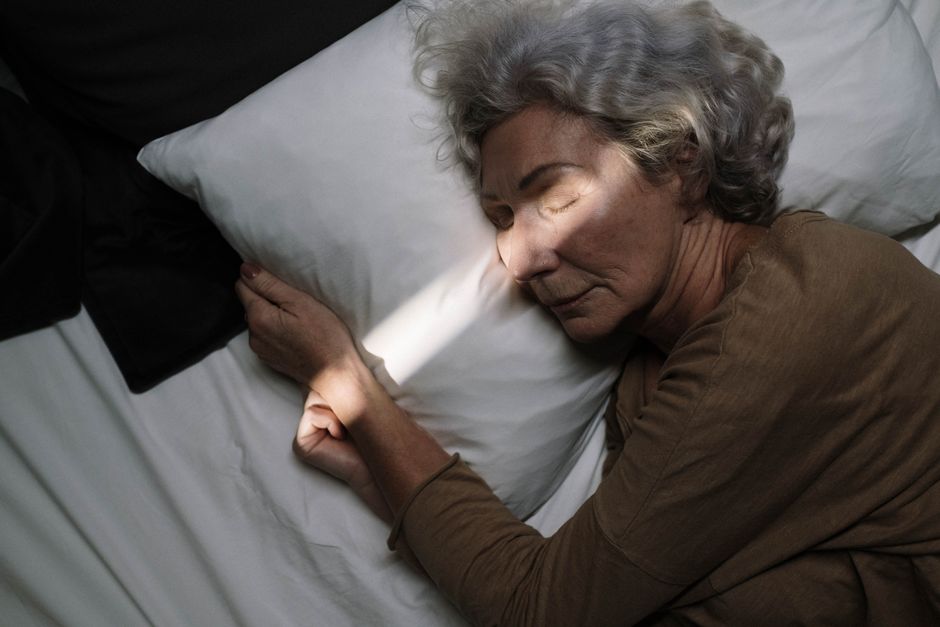
Falling asleep fast is often about working with your body’s natural sleep drive, not against it. The most proven approach combines a consistent wind-down routine, a cool and dark bedroom, and a regular sleep schedule that your brain learns to follow. If you are lying in bed wide awake, the most effective step is often to get up and do something quiet until you feel sleepy again, rather than forcing sleep.
How To Fall Asleep Fast Proven Tips For Adults?
Proven tips for falling asleep fast start with preparing your body and environment about an hour before bed. Lower the lights, put away your phone, and keep your bedroom cool. A consistent bedtime and wake time—even on weekends—trains your internal clock, making sleep come more quickly and naturally.
If sleep does not come within about 20 minutes, get out of bed. Sit in a dimly lit room and read something boring or listen to calm music until drowsiness returns. This breaks the cycle of associating your bed with frustration.
Why Does It Take So Long To Fall Asleep?
Difficulty falling asleep usually comes down to one of three things: your body is not sleepy enough, your mind is too active, or your environment is working against you.
Your body builds sleep pressure throughout the day. This pressure comes from a chemical called adenosine, which accumulates while you are awake. If you nap late in the day, drink caffeine too close to bedtime, or get too little physical activity, your sleep pressure may be too low when your head hits the pillow.
Mental activity is another major factor. If your brain is busy replaying the day’s events or planning tomorrow’s tasks, it stays in a state of alertness. This is why a wind-down routine matters—it gives your mind a clear signal that the day is over.
Environment matters more than most people realize. Light suppresses melatonin, the hormone that signals sleep. Noise and a warm room also interfere with your body’s natural drop in core temperature that happens as you drift off.
What Is The Best Temperature And Lighting For Sleep?
Your body needs to cool down slightly to fall asleep and stay asleep. Most sleep researchers recommend a bedroom temperature between 60 and 67 degrees Fahrenheit. This range supports the natural drop in your core body temperature that occurs during sleep onset.
Light is the strongest external cue for your internal clock. Bright light in the evening delays melatonin release and pushes your sleep later. Dim your lights in the hour before bed. Use blackout curtains or a sleep mask to keep the room dark. If you need a nightlight, choose one with a warm or red tone rather than blue or white light.
Blue light from screens deserves special attention. Phones, tablets, and computers emit blue light that is particularly effective at suppressing melatonin. Some studies suggest that using these devices in bed is linked to longer sleep onset times. If you must use a screen before bed, lower the brightness and enable night mode, but ideally put devices away entirely.





How Does Caffeine And Food Affect Falling Asleep?
Caffeine is a stimulant that blocks adenosine receptors in the brain. This is the same chemical that builds sleep pressure, so caffeine directly interferes with your ability to feel sleepy. Caffeine has a half-life of about 5 to 6 hours, meaning half of it is still in your system that long after you drink it.
For most adults, stopping caffeine at least 8 hours before bedtime is a reasonable guideline. Some people are more sensitive due to genetics and may need to stop earlier. If you are having trouble falling asleep, try cutting caffeine entirely for a few weeks to see if it helps.
Large meals close to bedtime can also delay sleep. Digestion raises your body temperature and can cause discomfort that keeps you awake. A light snack that combines protein and complex carbohydrates is generally fine, but a heavy meal within 2 to 3 hours of bedtime is not ideal.
Alcohol is a common trap. It makes you feel drowsy initially, but as your body metabolizes it, sleep becomes lighter and more fragmented. Alcohol also relaxes the muscles of the throat, which can worsen snoring and sleep apnea. If you drink, keeping it moderate and at least a few hours before bed is better for sleep quality.
What Is The 4-7-8 Breathing Technique And Does It Work?
The 4-7-8 breathing technique involves inhaling through the nose for 4 seconds, holding the breath for 7 seconds, and exhaling through the mouth for 8 seconds. This pattern is repeated several times.
The technique works by activating the parasympathetic nervous system, which is responsible for rest and digestion. Slow, extended exhalation is particularly calming. It slows your heart rate and lowers blood pressure, which can help shift your body out of a stressed state.
Research on this specific technique is limited, but the underlying principle is well established. Slow breathing exercises have been shown to reduce anxiety and improve sleep in various studies. The technique is safe for most people, but if you feel dizzy or lightheaded, stop and resume normal breathing.
Should You Use Melatonin Or Other Sleep Supplements?
Melatonin is a hormone your brain produces naturally in response to darkness. As a supplement, it is primarily useful for resetting your internal clock, such as when traveling across time zones or adjusting to a new shift schedule.
For general difficulty falling asleep, melatonin has modest evidence at best. Some studies show it reduces the time to fall asleep by a small amount, but the effect varies widely between individuals. It is not a sedative. It does not knock you out like a sleeping pill.
If you try melatonin, low doses are generally recommended. Doses of 0.5 to 3 milligrams taken 1 to 2 hours before bedtime are common in clinical practice. Higher doses do not work better and may cause vivid dreams or grogginess the next morning.
Other supplements such as magnesium, valerian root, and chamomile are marketed for sleep. The evidence for each is limited. Magnesium plays a role in muscle relaxation and nerve function, but clinical trials on its ability to improve sleep onset are mixed. Valerian root has some small studies suggesting benefit, but results are inconsistent. No supplement should replace good sleep habits.
Prescription sleep medications are effective in the short term but carry risks of dependence and daytime drowsiness. They are generally recommended for short-term use only, not as a long-term solution. Cognitive behavioral therapy for insomnia is the first-line treatment for chronic sleep problems and has better long-term outcomes than medication.
What If You Wake Up In The Middle Of The Night?
Waking up in the middle of the night is common and not necessarily a problem. Brief awakenings are a normal part of the sleep cycle. The problem arises when you cannot fall back asleep.
If you wake up and cannot return to sleep within 20 minutes, get out of bed. Go to another room and do something quiet in dim light. Read a book, listen to a podcast at low volume, or do a simple puzzle. Avoid screens and bright lights. Return to bed only when you feel sleepy again.
Do not watch the clock. Checking the time feeds anxiety about how little sleep you are getting, which makes it harder to fall back asleep. Turn your clock away from the bed or cover the display.
If racing thoughts are the issue, try writing them down. Keep a notepad by the bed and jot down whatever is on your mind. This externalizes the thoughts and can reduce their grip on your attention. Some people find that making a to-do list for the next day helps quiet the planning part of the brain.
How Important Is A Consistent Sleep Schedule?
A consistent sleep schedule is one of the most powerful tools for falling asleep fast. Your internal clock runs on a roughly 24-hour cycle that responds strongly to regularity. When you go to bed and wake up at the same times daily, your body learns to release sleep hormones at the right moments.
This is why weekend sleep-ins can backfire. Sleeping in on Saturday and Sunday shifts your internal clock later. By Sunday night, your body is not ready to sleep at your usual time, and Monday morning feels brutal. Keeping your wake time consistent—even on weekends—is more important than keeping your bedtime consistent.
If you need to shift your schedule, do it gradually. Move your bedtime and wake time by 15 to 30 minutes every few days. This allows your internal clock to adjust without the jet-lag feeling that comes from drastic changes.
When Should You See A Doctor About Sleep Problems?
Occasional difficulty falling asleep is normal. Everyone has nights where sleep does not come easily. Stress, travel, and temporary changes in routine can all cause a bad night or two.
You should consider seeing a doctor if you have trouble falling asleep at least three nights per week for more than three months. This pattern meets the clinical definition of chronic insomnia. Other signs that warrant a medical visit include loud snoring, gasping during sleep, or excessive daytime sleepiness despite what seems like enough sleep.
These symptoms could indicate sleep apnea, which is a serious condition that requires proper evaluation and treatment. Do not ignore persistent sleep problems. They affect more than just how tired you feel—they impact your mood, memory, immune function, and long-term health.
Frequently Asked Questions
How many minutes does it take the average person to fall asleep?
Healthy adults typically fall asleep within 10 to 20 minutes of getting into bed. Falling asleep in under 5 minutes may indicate you are overly sleep-deprived.
Is it better to get out of bed if you cannot sleep?
Yes, getting out of bed after about 20 minutes of wakefulness is recommended. This breaks the association between your bed and frustration, which is a core principle of cognitive behavioral therapy for insomnia.
Does exercising during the day help you fall asleep faster?
Regular physical activity is linked to faster sleep onset and better sleep quality. Avoid vigorous exercise within 2 to 3 hours of bedtime, as it can raise your core temperature and heart rate.
Can white noise help you fall asleep faster?
White noise can help by masking disruptive sounds that might wake you or prevent sleep onset. It is most helpful if you live in a noisy environment, but it is not a solution for insomnia caused by stress or poor sleep habits.
