
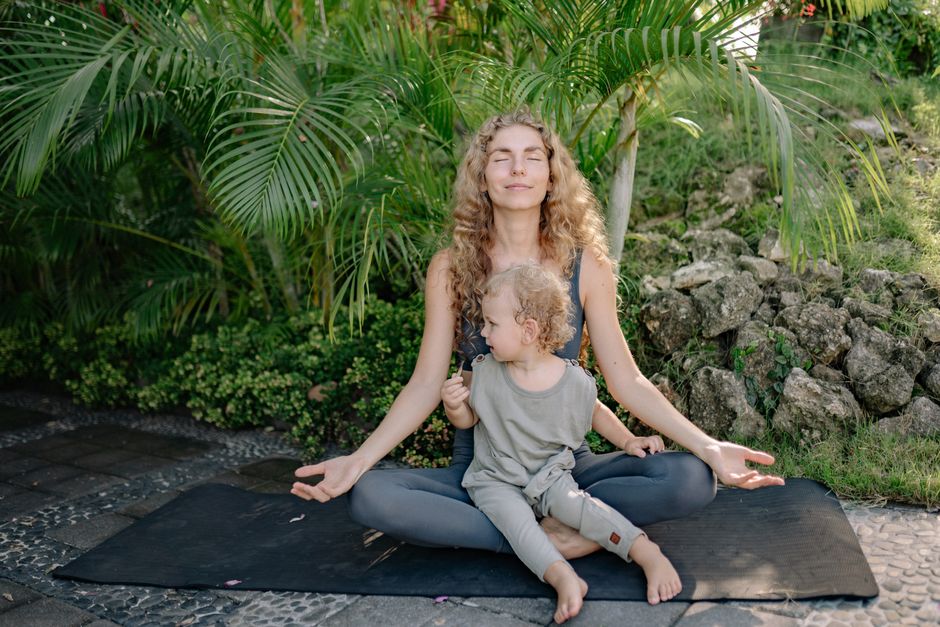
Explaining mindfulness to a child is simpler than most adults think. The core idea is just paying attention to what is happening right now, on purpose, without judging it. For a child, you can start with a single breath, a single sound, or the feeling of their feet on the ground. You do not need special equipment, a cushion, or a quiet room — you just need a moment and a calm voice.
What Is Mindfulness In Words A Child Understands?
Mindfulness is noticing. That is the entire definition for a child. It means noticing what your body feels, what your mind is doing, and what is happening around you in this exact moment.
You can say: “Mindfulness is when you pay attention to one thing at a time. Like when you eat a raisin and really taste it. Or when you listen to one bird singing instead of all the noise at once.”
Keep it that simple. Children do not need the clinical definition of present-moment awareness. They need a concrete example they can try immediately. The word “noticing” works better than “awareness” because it is an action they already know how to do.
How To Explain Mindfulness To A Child At Any Age
The way you explain mindfulness changes with a child’s developmental stage. A three-year-old and a twelve-year-old process information completely differently. The explanation must match their brain, not your vocabulary.
For toddlers and preschoolers, mindfulness is a game. You can say: “Let’s play the listening game. Close your eyes and tell me every sound you hear.” They will hear a car, a dog, a fridge hum. That is mindfulness. You are teaching them to focus their attention on one sense at a time.
For elementary school children, mindfulness becomes a tool. They can understand that their mind wanders and that they can bring it back. You might say: “Your brain is like a puppy. Sometimes it runs off. Mindfulness is gently bringing the puppy back on a leash.” They understand this because they have experienced a wandering mind during homework or dinner.
For middle schoolers and teens, mindfulness is a science. They can grasp that the brain changes with practice. You can explain that paying attention to your breath actually strengthens the parts of the brain that help with focus and calming down. They value knowing why something works, not just how to do it.
Why Mindfulness Matters For Children’s Developing Brains
Children’s brains are still building the wiring that controls attention and emotion. The prefrontal cortex — the part of the brain behind the forehead that handles focus and self-control — develops throughout childhood and into the mid-twenties. Mindfulness practice exercises this exact region.
Research on mindfulness in children is still growing, but the early evidence is promising. Some studies suggest that mindfulness programs in schools can improve attention, reduce stress, and help children regulate their emotions. The effects are not dramatic or guaranteed, but the direction of the evidence is positive.
What mindfulness does not do is fix serious mental health conditions. If a child has anxiety, depression, or ADHD, mindfulness is not a replacement for professional care. It can be a helpful addition, but it is not a cure. Any claim that mindfulness alone treats childhood mental illness is not supported by evidence.





Simple Mindfulness Exercises To Try With Your Child
You do not need a formal program. These exercises take less than five minutes and work across a wide age range. Try them when your child is already calm — not during a meltdown.
- Balloon breathing: Have your child place their hands on their belly. Ask them to breathe in and imagine their belly is a balloon filling with air. Then breathe out slowly as the balloon deflates. This teaches diaphragmatic breathing, which activates the body’s relaxation response.
- Five senses check-in: Ask your child to name one thing they can see, one thing they can hear, one thing they can feel, one thing they can smell, and one thing they can taste. This grounds them in the present moment using their own body.
- The raisin exercise: Give your child one raisin. Ask them to look at it, feel its texture, smell it, and then eat it slowly, noticing the taste. This teaches mindful eating and slows down a normally automatic behavior.
- Body scan for kids: Have your child lie down and close their eyes. Walk them through their body from toes to head, asking them to notice any sensations. Keep it short — two or three minutes is enough for younger children.
Start with one exercise. Do it once a day for a week. Children learn mindfulness through repetition, not through long sessions. Five minutes daily beats thirty minutes once a month.
What Mindfulness Is Not — Clearing Up Common Myths
Many parents avoid mindfulness because they misunderstand what it is. Let me clear up the most common confusion.
Mindfulness is not clearing your mind. No one can make their thoughts stop entirely. The goal is to notice when your mind wanders and gently bring it back. That act of noticing and returning is the practice. If your child says “I can’t do it because I keep thinking,” that means they are doing it correctly.
Mindfulness is not a religion. While mindfulness has roots in Buddhist meditation traditions, the secular practice used in schools and clinics has no religious component. It is a trainable attention skill, like learning to ride a bike.
Mindfulness is not about being calm all the time. The goal is not to suppress emotions. It is to notice them without being swept away. A child can be angry and mindful simultaneously — mindful anger means noticing “I feel angry” rather than acting out of anger automatically.
How To Build A Mindfulness Routine That Actually Lasts
The biggest mistake parents make is treating mindfulness like homework. If you force it, children resist. The routine must feel natural and optional.
Anchor mindfulness to something you already do daily. Practice balloon breathing before bedtime. Do the five senses check-in while waiting for the school bus. Use the raisin exercise at snack time. When mindfulness is attached to an existing habit, it does not feel like an extra task.
Model the behavior. Children learn more from watching you than from listening to instructions. If you practice mindful breathing when you are stressed, your child sees that this is a real tool, not just a parent lecture. You cannot teach mindfulness effectively without practicing it yourself.
Keep expectations realistic. Some days your child will refuse. Some days they will giggle through the entire exercise. That is fine. The practice is about showing up consistently, not performing perfectly. A child who laughs through a body scan is still learning that paying attention to the body is a normal, safe activity.
When Mindfulness Is Not Enough
Mindfulness is a useful skill, but it has limits. If your child shows signs of significant distress — persistent sadness, withdrawal from activities they used to enjoy, extreme anxiety that interferes with school or friendships, or any talk of self-harm — seek professional help. Mindfulness is not a substitute for therapy or medical care.
Some children find mindfulness uncomfortable at first. Sitting with your own thoughts can be hard, especially for children who use distraction to cope with difficult feelings. If your child becomes more anxious or upset during mindfulness practice, stop and talk to a pediatrician or child psychologist. This is uncommon, but it happens.
Trust your judgment as a parent. You know your child better than any exercise or program. Use mindfulness as one tool in your parenting toolkit, not as the answer to every problem.
Frequently Asked Questions
At what age can a child start learning mindfulness?
Children as young as three can learn basic mindfulness concepts like noticing sounds or paying attention to their breath. Formal mindfulness programs are more appropriate for children aged six and up who have better attention spans.
How long should mindfulness practice last for a child?
Start with one to three minutes for young children and gradually increase to five to ten minutes for older kids. Short daily practice is more effective than long sessions done occasionally.
Can mindfulness help with my child’s anxiety?
Some research suggests mindfulness can help children manage mild anxiety by teaching them to notice anxious thoughts without reacting to them. For moderate to severe anxiety, professional treatment is recommended and mindfulness can be used alongside it.
Do I need special training to teach my child mindfulness?
No formal training is required for basic mindfulness exercises at home. Free apps and guided recordings can support your practice, but a simple breathing exercise done together works just as well.
