
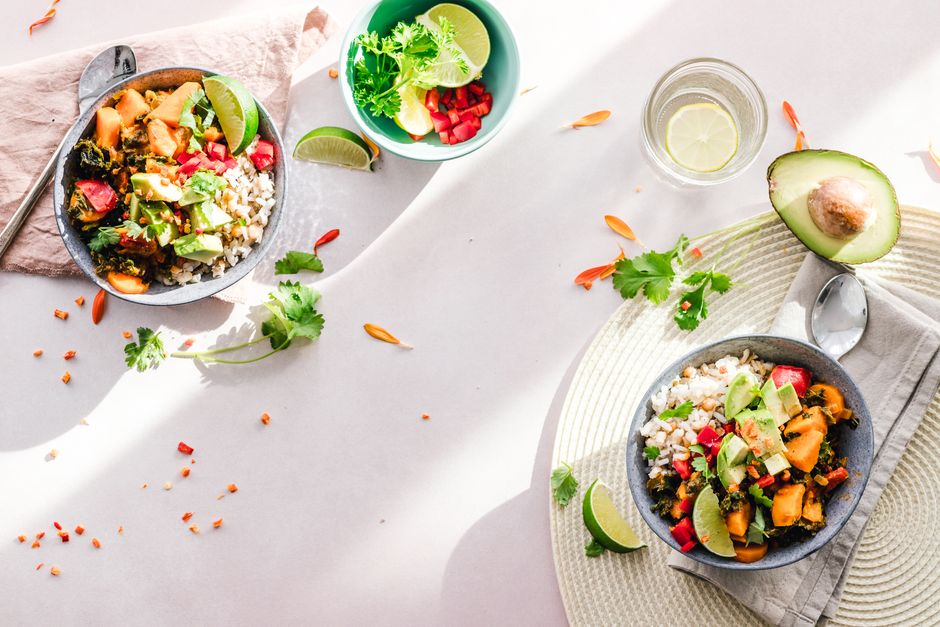
Eating no carbs means removing nearly all carbohydrates from your diet, leaving only protein, fat, and very low-carb vegetables. You eat meat, fish, eggs, butter, oils, and leafy greens while avoiding bread, pasta, rice, fruit, and sugary foods. Within the first week, your body shifts from burning glucose to burning fat for fuel, a process called ketosis, which often brings rapid water weight loss and changes in energy and appetite.
What Counts as a No-Carb Food?
A true no-carb diet is nearly impossible to follow perfectly. Even eggs and meat contain trace amounts of carbohydrates. The practical approach is keeping carbohydrates under 20 grams per day, which most experts consider a strict low-carb or ketogenic diet.
Foods you can eat freely include beef, chicken, pork, lamb, fish, and shellfish. Eggs and most cheeses are also very low in carbs. Fats like butter, olive oil, coconut oil, and lard contain zero carbohydrates.
Vegetables are where people get confused. Most vegetables have some carbs. Leafy greens like spinach, lettuce, and kale are very low. Broccoli, cauliflower, zucchini, and asparagus are moderate. Starchy vegetables like potatoes, corn, and peas are too high for a no-carb approach.
Fruits are off the table, with rare exceptions like small portions of berries. Nuts and seeds vary widely. Pecans and macadamia nuts are low in carbs, while cashews and pistachios are higher.
What Foods Should You Avoid Completely?
Grains are the first category to eliminate. This includes bread, rice, pasta, oats, quinoa, and cereal. These foods are almost entirely carbohydrate and will break ketosis quickly.
Sugar and sweeteners are next. Table sugar, honey, maple syrup, and agave are pure carbohydrates. This also means no soda, juice, sports drinks, or sweetened coffee drinks.
Fruit is eliminated on a strict no-carb diet. Even a single apple contains about 25 grams of carbs, which would consume your entire daily allowance. Dried fruits like raisins and dates are even more concentrated.
Legumes including beans, lentils, and chickpeas are too high in carbs. Soy products like tofu and edamame are also problematic. Most dairy milk contains lactose, a sugar, so heavy cream and hard cheeses are preferred.
Processed foods are risky because hidden carbs appear in sauces, dressings, and packaged snacks. Many “healthy” foods like granola bars and flavored yogurts are loaded with sugar.
What Happens to Your Body in the First Week?
The first few days are often the hardest. Your body has relied on glucose for energy, and it takes time to switch to fat. Many people experience what is commonly called the “keto flu” during this transition.
Symptoms include headache, fatigue, brain fog, irritability, and nausea. These effects usually last two to seven days. Staying hydrated and getting enough salt and electrolytes can reduce the severity.
After the transition, most people notice a significant drop in appetite. Fat and protein are more satiating than carbohydrates. Many find it easier to eat fewer calories without feeling hungry.
Water weight loss happens quickly. For every gram of stored carbohydrate, your body holds about three grams of water. When carb stores deplete, that water is released. People often lose several pounds in the first week, most of it water rather than fat.




What Are the Real Benefits of No-Carb Eating?
Weight loss is the most documented benefit. Studies consistently show that low-carb diets produce greater short-term weight loss than low-fat diets. Some research suggests this advantage diminishes after one to two years.
Blood sugar control improves dramatically. Removing carbohydrates reduces post-meal blood sugar spikes. Some research indicates that low-carb diets can reduce or eliminate the need for diabetes medication, though this should only be done under medical supervision.
Triglycerides, a type of fat in the blood, typically drop. HDL cholesterol, the “good” cholesterol, often rises. These changes are generally considered heart-protective.
Mental clarity is frequently reported but less studied. Some people describe sharper focus and stable energy throughout the day. The evidence here is mostly anecdotal, and results vary widely between individuals.
What Are the Risks and Downsides?
Nutrient deficiencies are a genuine concern. Eliminating fruits, vegetables, and whole grains removes many vitamins, minerals, and fiber. Long-term adherence without careful planning can lead to deficiencies in magnesium, potassium, vitamin C, and B vitamins.
Constipation is common. Fiber intake drops dramatically when grains, beans, and most fruits are removed. Some people find this resolves with increased leafy greens, but others struggle chronically.
Kidney stone risk may increase. Low-carb diets alter urine composition, making stone formation more likely in susceptible people. Staying well hydrated reduces this risk.
Kidney function in people with existing kidney disease needs close monitoring. High protein intake can stress damaged kidneys. Anyone with kidney disease should not start this diet without medical advice.
Bad breath is a frequent side effect. Ketosis produces acetone, which is excreted through the breath. Some people find this unpleasant, and it does not go away as long as you remain in ketosis.
How To Eat No Carbs What To Eat And What To Expect
Start by clearing your kitchen of high-carb foods. This removes temptation and makes compliance easier. Stock up on meat, fish, eggs, butter, oils, and low-carb vegetables.
Plan simple meals. A typical day might include eggs and bacon for breakfast, a chicken salad with olive oil dressing for lunch, and grilled salmon with roasted broccoli for dinner. Snacks can include cheese, olives, or hard-boiled eggs.
Expect the first week to be the most challenging. Your energy may dip, and you may crave carbohydrates intensely. These cravings usually fade significantly after the first week as your body adapts to fat burning.
Salt your food. Low-carb diets cause the kidneys to excrete more sodium. Adding salt to meals helps maintain blood pressure and reduces symptoms like dizziness and fatigue.
Drink more water than usual. The diuretic effect of low-carb eating increases fluid loss. Monitor your urine color and aim for pale yellow as a sign of adequate hydration.
Who Should Not Try a No-Carb Diet?
Pregnant and breastfeeding women should not follow a no-carb diet. The developing brain requires glucose, and low-carb diets restrict critical nutrients. No clinical guidelines support this approach during pregnancy.
People with type 1 diabetes face serious risks. Without insulin adjustments, low-carb eating can cause dangerous blood sugar swings. Any dietary change requires close coordination with an endocrinologist.
Anyone taking blood pressure or diabetes medications needs medical supervision. Low-carb diets can lower blood sugar and blood pressure, requiring medication dose reductions. Without adjustment, dangerous drops can occur.
People with a history of eating disorders should avoid strict dietary elimination. Restrictive diets can trigger disordered eating patterns. The evidence consistently shows that rigid food rules worsen outcomes in this population.
Is a No-Carb Diet Better Than a Low-Carb Diet?
Most research suggests that very low-carb diets and moderate low-carb diets produce similar weight loss after six months. The stricter approach may produce faster initial results, but adherence often declines.
A diet of 50 to 100 grams of carbs per day allows more vegetables, some fruit, and even small portions of legumes. This makes the diet more sustainable for most people and reduces nutrient deficiency risk.
No large clinical trial has shown that reducing carbs below 20 grams provides additional long-term health benefits compared to a moderate low-carb approach. The evidence does not support the idea that “zero” is meaningfully better than “very low.”
For most people, a less restrictive low-carb diet is easier to maintain. Long-term success depends on consistency, and a diet you can follow for years beats one you abandon in weeks.
Frequently Asked Questions
Can you eat cheese on a no-carb diet?
Yes, most hard cheeses contain less than 1 gram of carbs per ounce. Soft cheeses like mozzarella and brie are also very low in carbs.
How much weight can you lose in the first week?
Most people lose 2 to 6 pounds in the first week, but most of this is water weight. Fat loss typically averages 1 to 2 pounds per week after the initial drop.
Will you get enough fiber eating no carbs?
Probably not. Removing grains, beans, and fruit drastically cuts fiber intake. Eating large amounts of leafy greens and seeds helps but rarely reaches the recommended 25 to 30 grams daily.
Can you drink coffee on a no-carb diet?
Yes, plain coffee and tea contain zero carbs. Black coffee or coffee with heavy cream is fine, but avoid sugar, flavored syrups, and milk.
