
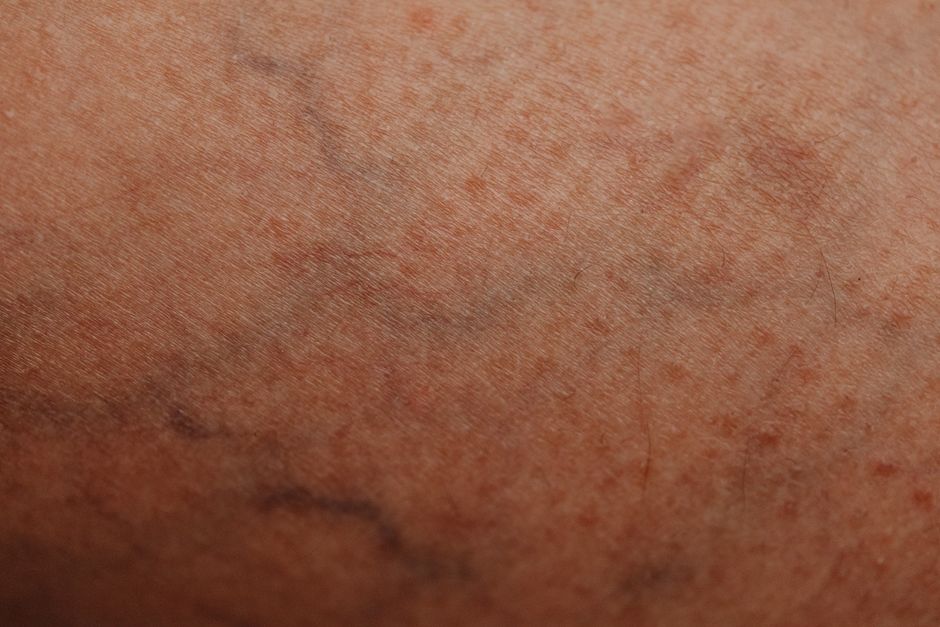
Varicose veins that appear during pregnancy often improve on their own in the weeks and months after delivery. For many women, the bulging, twisted veins in the legs and the smaller spider veins fade significantly or disappear completely within a few months. For others, especially those with a family history of vein problems or who have had multiple pregnancies, some veins stay visible or continue to cause discomfort.
Whether they go away depends on several things: how severe they were, how many pregnancies you have had, your genetics, and how much the vein walls and valves were stretched. The good news is that the underlying cause — the extra blood volume and pressure of pregnancy — resolves after birth. What is left is the question of whether the veins themselves return to normal.
Why Do Varicose Veins Appear During Pregnancy?
Pregnancy creates conditions that make veins in the legs work harder and stretch more easily. Three things happen at once.
First, blood volume increases substantially during pregnancy — by roughly 40 to 50 percent by the third trimester. That extra fluid has to circulate through the same network of veins, raising pressure inside them.
Second, the growing uterus presses on the large vein on the right side of the body called the inferior vena cava. This vein carries blood from the lower body back to the heart. When it is compressed, blood backs up in the leg veins.
Third, levels of the hormone progesterone rise. Progesterone relaxes the smooth muscle in vein walls. Veins become more dilated and less able to push blood upward against gravity. The valves inside the veins — which normally keep blood flowing in one direction — can become less effective when the vein walls around them stretch.
These three factors together explain why varicose veins are common in pregnancy. They also explain why they often improve after birth. Once blood volume returns to normal and the uterus is no longer pressing on the vena cava, the pressure on the leg veins drops.
Do Varicose Veins Go Away After Pregnancy What To Expect?
Most women see noticeable improvement within three to four months after delivery. The veins may not disappear completely, but they typically become smaller, less tender, and less visible.
What you can expect depends on the type of vein:
- Spider veins (small, red or blue web-like veins near the skin surface) often fade on their own. Some may remain.
- Varicose veins (larger, bulging, twisted veins) may shrink significantly but often do not vanish entirely, especially if you had them before pregnancy or have a family history.
- Veins that were already present before pregnancy are less likely to go away completely. Pregnancy can make existing veins worse.
The timeline varies. Some women notice improvement within a few weeks. Others need several months. If you are breastfeeding, hormone levels remain different from your pre-pregnancy state, and this may slow improvement. Progesterone and other hormones can keep vein walls more relaxed for as long as you are nursing.
If veins are still prominent six months after delivery, they are unlikely to resolve on their own without treatment.
What Makes Varicose Veins More Likely to Persist?
Several factors increase the chance that veins will not fully resolve after pregnancy.
Genetics is the strongest predictor. If your mother or grandmother had varicose veins, you are more likely to have them too — and more likely to keep them after pregnancy. Inherited differences in vein wall strength and valve structure do not change after delivery.
Multiple pregnancies increase risk. Each pregnancy adds more pressure and stretching. Veins may not fully recover between pregnancies.
Prolonged standing during pregnancy and after can make veins worse. Standing still keeps blood pooling in the legs.
Higher body weight adds pressure on leg veins. This applies both during pregnancy and afterward.
Older age at pregnancy is associated with slower vein recovery. Vein walls lose some elasticity with age.
Having one or more of these factors does not mean your veins will definitely stay. It means the odds are higher. Many women with several risk factors still see significant improvement.




What Can You Do to Help Varicose Veins After Pregnancy?
Several measures may reduce discomfort and support vein recovery. None of these are guaranteed to make veins disappear, but they can help manage symptoms.
Compression stockings are the most commonly recommended approach. They apply gentle pressure to the legs, helping blood move upward and reducing swelling. Graduated compression stockings — tighter at the ankle and looser toward the thigh — are the standard. Your doctor can recommend the right pressure level. Over-the-counter options exist, but prescription-strength stockings may work better for significant varicose veins.
Elevating your legs above heart level for 15 to 20 minutes several times a day uses gravity to help blood drain from the legs. This is simple and low-risk.
Moving regularly helps the calf muscles pump blood back toward the heart. Walking is particularly effective. Avoid standing still for long periods.
Sleeping on your left side during pregnancy was often recommended to keep pressure off the inferior vena cava. After pregnancy, this is less relevant, but side sleeping with a pillow between the knees can still help if you have pelvic or leg discomfort.
Keeping weight within a healthy range after delivery reduces ongoing pressure on leg veins. This is easier said than done in the postpartum period, and there is no rush. Gradual, sustainable weight management is the goal.
No topical cream, supplement, or herbal remedy has been shown in clinical trials to make varicose veins go away. Some products claim to “support vein health” or “improve circulation.” These claims are not backed by evidence that they eliminate varicose veins.
When Should You See a Doctor About Varicose Veins After Pregnancy?
See a doctor if you have any of the following:
- Pain that is severe or getting worse
- Redness, warmth, or swelling in one leg — this could indicate a blood clot
- Skin changes around the vein, such as discoloration, dryness, or sores
- Bleeding from a varicose vein
- Veins that are still prominent and bothersome six months after delivery
Blood clots are a serious concern. Pregnancy and the postpartum period increase clot risk. A clot in a deep vein — deep vein thrombosis, or DVT — can be dangerous if it travels to the lungs. Symptoms include swelling in one leg, pain in the calf or thigh, warmth, and redness. If you have these symptoms, seek medical care promptly.
Varicose veins themselves are not usually dangerous. But they can be a sign of underlying vein disease, and they can lead to complications over time if left untreated. A doctor can assess whether treatment is appropriate.
What Treatments Are Available If Veins Don’t Go Away?
If varicose veins persist after pregnancy and are causing symptoms or concern, several medical treatments can help. These are typically considered after you have finished breastfeeding, though some can be done earlier if needed.
Endovenous ablation uses heat or laser energy to close off the affected vein. Blood then reroutes through healthy veins. This is a common, minimally invasive procedure.
Sclerotherapy involves injecting a solution into the vein that causes it to collapse and fade. It is often used for smaller varicose veins and spider veins.
Microphlebectomy removes small varicose veins through tiny incisions. It is often done along with ablation.
Laser treatment can target small veins and spider veins on the skin surface.
These procedures are generally well tolerated, but they are not without risk. They also do not prevent new veins from forming later. If you have an underlying tendency toward vein problems, new varicose veins can appear over time.
Whether treatment is covered by insurance depends on the procedure and your insurance plan. Many plans cover treatment when it is considered medically necessary — for example, if you have pain, swelling, or skin changes. Treatment for purely cosmetic reasons is often not covered.
Will Future Pregnancies Make Varicose Veins Worse?
Often, yes. Each pregnancy adds more pressure on the vein system and more hormonal exposure. Veins that improved after one pregnancy may worsen again in a subsequent one.
This does not mean you should avoid pregnancy if you want more children. It means you may want to discuss vein health with your doctor before and during future pregnancies. Compression stockings, regular movement, and leg elevation may help reduce the impact.
Some women find that veins improve less with each subsequent pregnancy. Others do not notice a pattern. There is no reliable way to predict exactly how your veins will respond.
What About Spider Veins?
Spider veins — also called telangiectasias — are small, dilated blood vessels near the skin surface. They often appear on the legs and face during pregnancy. They are different from varicose veins in size and depth, though they can occur together.
Spider veins on the legs often improve after pregnancy, but many do not disappear completely. Facial spider veins are less likely to resolve on their own. Sclerotherapy and laser treatment are effective for spider veins if they bother you.
Like varicose veins, spider veins are not dangerous. They are a cosmetic concern for most people. They do not usually cause pain or other symptoms.
Frequently Asked Questions
Do varicose veins go away after pregnancy?
Many varicose veins improve significantly within three to four months after delivery. Some disappear completely, but others remain visible or continue to cause symptoms, especially if you had them before pregnancy or have a family history.
How long does it take for varicose veins to go away after pregnancy?
Most improvement happens in the first three to four months. If veins are still prominent six months after delivery, they are unlikely to go away on their own.
Can I prevent varicose veins during pregnancy?
There is no guaranteed way to prevent them, but compression stockings, regular walking, leg elevation, and avoiding prolonged standing may reduce symptoms. Genetics and hormones play a large role that you cannot control.
Are varicose veins after pregnancy dangerous?
Varicose veins themselves are usually not dangerous. However, they can be associated with blood clots. Seek care if you have swelling, pain, warmth, or redness in one leg.
