
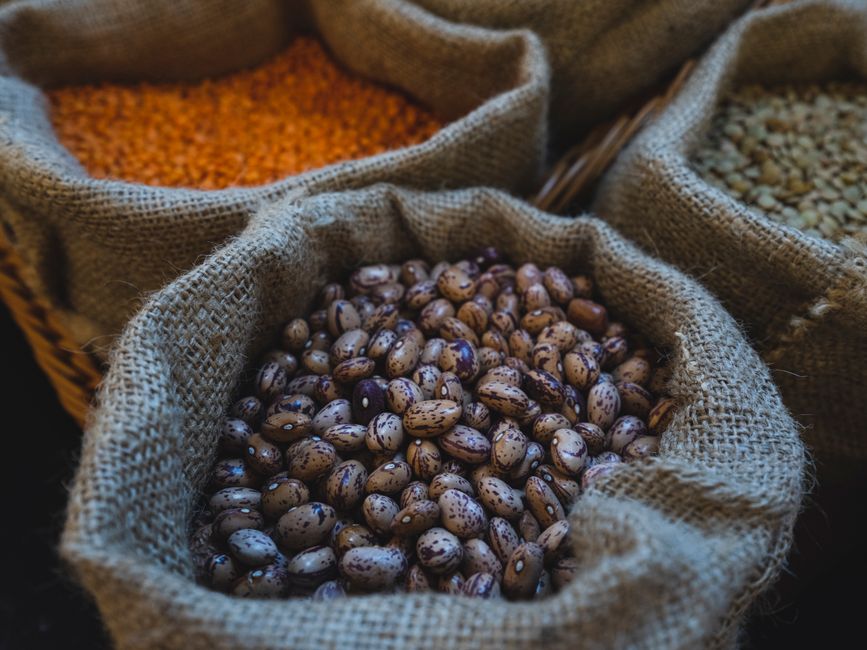
Beans and lentils are some of the most nutrient-dense foods you can put on your plate, and eating more of them is less about willpower than about planning. The practical answer: cook a batch once or twice a week, keep canned beans in the pantry, and add a small portion to meals you already eat — eggs, salads, soups, rice, and pasta. You do not need to overhaul your diet. You need a few reliable habits and a gradual increase so your digestive system adjusts.
Most people in the US eat far less of these foods than traditional diets around the world do. That is a missed opportunity, because beans and lentils deliver protein, fiber, and key minerals at a low cost. This guide explains how to work them in without discomfort or boredom.
Why Should You Eat More Beans And Lentils?
Beans and lentils are legumes — the dried seeds of plants in the pea family. They are unusually balanced nutritionally. A cooked cup of lentils provides roughly 18 grams of protein and about 15 grams of fiber, according to USDA data. Black beans and chickpeas land in a similar range.
That fiber matters. Most adults fall short of the recommended daily fiber intake, and legumes are one of the densest sources available. Fiber supports bowel regularity and feeds the bacteria in your gut. Higher fiber intake is consistently linked in research to lower rates of heart disease and type 2 diabetes, though diet is complex and no single food explains those outcomes.
Legumes also supply folate, iron, potassium, and magnesium. They contain no cholesterol and very little saturated fat. For people watching food budgets, few foods deliver as much nutrition per dollar.
One clarification worth making: beans are not a “magic” food, and no single ingredient prevents disease. The evidence supports legumes as part of an overall healthy eating pattern, not as a standalone remedy.
How Do You Start Eating Beans And Lentils Without Digestive Trouble?
Start small and increase slowly. This is the single most useful piece of advice, and it applies to almost everyone.
Beans contain certain carbohydrates — oligosaccharides — that humans cannot fully digest. Gut bacteria ferment them, which produces gas. That is normal physiology, not a sign something is wrong. But jumping from almost no beans to a cup a day will likely cause bloating and discomfort.
Begin with two to three tablespoons of beans or lentils per day. Hold there for a week or two. Then add a little more. Your gut bacteria adapt over time, and many people find that gas diminishes within a few weeks of regular eating.
Practical steps that help:
- Rinse canned beans thoroughly. This removes some of the liquid that carries fermentable sugars.
- Start with lentils and split peas, which tend to be gentler than larger beans.
- Chew well and eat beans with other foods rather than alone.
- Drink enough water, since fiber needs fluid to move through the gut smoothly.
If you have a digestive condition such as irritable bowel syndrome, talk to your doctor or a dietitian before making big changes. Some people with IBS react to legumes, and a low-FODMAP approach may be recommended temporarily under professional guidance.
How To Eat More Beans And Lentils Every Day?
The most reliable method is to keep them cooked and visible. Foods you have to prepare from scratch rarely get eaten on busy days. Foods already sitting in the fridge get used.
Set aside one time per week — a Sunday afternoon works for many people — to cook a large pot of lentils or beans. Store them in containers you can grab quickly. Canned beans are a perfectly good shortcut; choose low-sodium versions or rinse them well.
Then attach beans to meals you already make. You are not creating new meals. You are adding to existing ones.
- Stir a spoonful of lentils into soup or chili.
- Add chickpeas to a green salad.
- Mix black beans into scrambled eggs or a breakfast burrito.
- Fold white beans into pasta sauce.
- Top a baked potato with seasoned black beans instead of just cheese.
- Blend lentils into a tomato sauce for extra body and protein.
Breakfast is often the easiest place to start, because most people eat the same thing every morning. Adding beans there becomes automatic within a week or two.




What Are The Easiest Beans And Lentils To Cook?
Lentils are the most forgiving legume for beginners. They do not require soaking and cook in about 20 to 30 minutes. Red lentils break down completely and work well in soups and stews. Brown and green lentils hold their shape and suit salads.
Canned beans require almost no effort. Drain, rinse, and they are ready. This is not cheating — canned beans retain most of their nutritional value, and the convenience makes daily eating realistic.
Dried beans need more planning. Most benefit from soaking, either overnight or with a quick-soak method, then simmering for an hour or more depending on the variety. A pressure cooker shortens this considerably.
Here is a simple comparison to help you choose:
| Type | Soaking needed | Typical cook time | Best for |
|---|---|---|---|
| Red lentils | No | 15–20 minutes | Soups, curries, sauces |
| Brown or green lentils | No | 20–30 minutes | Salads, side dishes |
| Canned beans | No | None | Quick meals, salads |
| Dried black beans | Recommended | About 60–90 minutes | Chili, burritos, tacos |
| Dried chickpeas | Recommended | About 60–120 minutes | Hummus, roasting, stews |
Cook times vary with bean age and your cooking method, so treat these as general ranges rather than fixed rules.
Can Beans And Lentils Replace Meat In Your Diet?
They can replace some meat, and for many people that is the realistic goal. Legumes are a solid plant protein source, but their protein is incomplete on its own — meaning they are lower in one or more essential amino acids. Eating them with grains or nuts fills that gap. Rice and beans is a classic example for good reason.
You do not need to combine them at the same meal. Eating a variety of plant proteins across the day covers your needs. This is a point many people still get wrong; the old rule about “protein combining” at every meal is outdated.
For most adults, replacing some meat with legumes fits well within healthy eating patterns. The caution is for people with higher protein needs — athletes in heavy training, older adults at risk of muscle loss, and pregnant or breastfeeding women. These groups can still eat legumes but may need to be deliberate about total protein intake. If that describes you, a registered dietitian can help you plan.
One more honest note: legumes are not a complete substitute for all nutrients meat provides. Iron from plants is absorbed less efficiently than iron from meat, though pairing legumes with vitamin C–rich foods improves absorption.
Are There Downsides To Eating Beans Every Day?
For most people, daily legumes are well tolerated and nutritionally beneficial. The main issues are digestive, and they usually ease with gradual introduction.
People with certain medical conditions should check with a clinician. If you have kidney disease, your potassium and phosphorus intake may need monitoring, and beans are high in both. If you take blood thinners such as warfarin, note that legumes contain vitamin K, which can affect how the medication works — consistency matters more than avoidance, but your doctor should know.
Beans also contain lectins, which get a lot of attention online. The concern is largely overstated. Cooking destroys most lectins, and no credible evidence supports the claim that lectins in cooked beans harm human health. Raw or undercooked beans can cause illness, which is why proper cooking matters.
If you have gout, the old advice to avoid beans has weakened. Current understanding suggests legumes are not a major trigger for most people, but individual guidance from your doctor is still wise.
Frequently Asked Questions
How much beans or lentils should I eat per day?
There is no single official daily target for legumes specifically, but many nutrition guidelines point toward about half a cup of cooked beans or lentils as a reasonable daily serving within a balanced diet. Start smaller and build up as your digestion adjusts.
Do canned beans have the same nutrition as dried beans?
Canned beans retain most of their protein, fiber, and minerals, though they are higher in sodium unless you choose low-sodium versions or rinse them. Rinsing also reduces some of the gas-causing compounds.
Why do beans give me gas and what can I do about it?
Beans contain carbohydrates your body cannot fully digest, so gut bacteria ferment them and produce gas. Starting with small portions, rinsing canned beans, and increasing slowly over a few weeks usually reduces the problem.
Can I eat beans every day?
Yes, most healthy adults can eat beans or lentils daily. People with kidney disease, or those taking blood thinners, should talk to their doctor first because of potassium and vitamin K content.
