
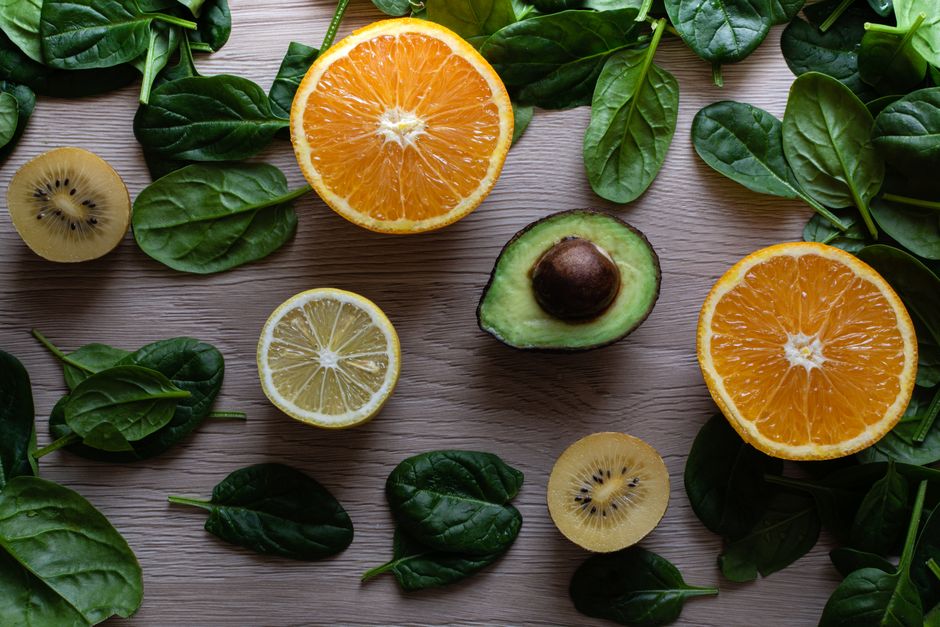
Kiwi fruit is simple to eat. Cut it in half crosswise, scoop the flesh with a spoon, and eat it — or slice off the fuzzy skin and cut the fruit into pieces. There is no pit and no stone inside. The tiny black seeds are edible and can be eaten along with the green or golden flesh.
That is the short answer. The longer answer covers ripeness, the difference between fuzzy brown kiwifruit and smooth-skinned golden varieties, and a few practical details worth knowing before you buy a batch.
How To Eat Kiwi Fruit
The spoon method works for almost everyone and takes about ten seconds per fruit.
- Hold the kiwi on a cutting board and slice it in half the short way, across the middle.
- Pick up one half and run a small spoon around the inside edge, between the flesh and the skin.
- The flesh should lift out in one piece. If it does not, the fruit is either underripe or the spoon is too wide.
- Eat it straight, or cut the halves into wedges and add them to a bowl.
You can also eat the skin. It is edible and contains fiber, though many people find the fuzz unpleasant. If you want to try it, scrub the fruit under running water first to remove grit and any surface residue. Rubbing the fuzz off with a clean towel also helps.
For salads, tarts, or fruit cups, peel the whole fruit first. Cut off both ends, slide a spoon under the skin, and work it around the fruit until the skin loosens. Then slice or dice.
A ripe kiwi is soft enough that a spoon passes through it easily. An underripe one is firm and tart. An overripe one turns mushy and develops an off flavor.
How Do You Know When a Kiwi Is Ripe?
Press the fruit gently with your thumb. A ripe kiwi gives slightly, the way a ripe peach does. A hard kiwi is not ready. A kiwi that dents easily under light pressure is past its best.
Most kiwifruit sold in US grocery stores is firm when you buy it. That is normal. Kiwifruit continues to ripen after harvest, so a few days on the counter at room temperature will usually soften it.
To speed ripening, put the fruit in a paper bag with an apple or a banana. Those fruits release ethylene gas, a natural plant hormone that triggers ripening in nearby produce. Leave the bag closed on the counter and check daily. Depending on how firm the fruit started, this can take anywhere from a day to several days.
Once ripe, move the fruit to the refrigerator. Cold slows ripening and holds the fruit for roughly another week. Do not refrigerate hard, unripe kiwifruit — cold can cause chilling injury and the fruit may never ripen properly.
One detail worth knowing: kiwifruit does not ripen well once it has been cut. Cut only what you plan to eat.
Can You Eat the Skin and Seeds?
Yes to both. The skin is edible, and the seeds are small enough to swallow without chewing. Neither is a choking risk for adults and older children.
The flesh is where most of the vitamin C sits, but the skin adds fiber. If you eat the skin, wash the fruit first. Kiwifruit is sometimes handled heavily between harvest and display, and washing removes dust and surface residue.
People with a condition called diverticulitis are sometimes told to avoid seeds and skins. That advice has shifted over the years. Current thinking does not generally support avoiding seeds and skins for most people with diverticular disease, but anyone with a specific digestive condition should follow what their own clinician tells them rather than general guidance.





What Does Kiwi Taste Like, and Which Type Should You Buy?
Green kiwifruit — the fuzzy brown kind most Americans picture — has a tangy, slightly tart flavor. Golden kiwifruit has smooth, thin skin and a sweeter, milder taste with less acidity.
The two types differ in more than flavor:
- Green kiwifruit has fuzzy skin that most people peel or scoop away.
- Golden kiwifruit has smooth skin that is easier to eat whole.
- Golden varieties tend to be sweeter and less acidic.
- Both contain vitamin C and fiber, though amounts vary by variety and growing conditions.
If tartness bothers you, golden kiwifruit is usually the easier introduction. If you want the classic flavor people associate with the fruit, go with green.
Are There Any Risks or Interactions to Know About?
Kiwifruit is safe for most people. A few points are worth knowing.
Allergy. Kiwifruit allergy is real and can be serious. Symptoms range from itching and tingling in the mouth to hives, swelling, and in rare cases a severe reaction called anaphylaxis. People allergic to latex, birch pollen, or certain other fruits may be more likely to react to kiwi because of cross-reactivity between similar proteins. If you have had a reaction to kiwi before, avoid it and talk to a clinician.
Mouth irritation. Some people notice tingling or a scratchy feeling in the mouth after eating raw kiwi. This is often a mild allergic response rather than a sign of spoilage. If it happens repeatedly, get it checked.
Medication interactions. Kiwifruit contains vitamin K, which plays a role in blood clotting. People taking the blood thinner warfarin are usually advised to keep vitamin K intake steady rather than avoid it. A sudden large increase in kiwi or other vitamin K-rich foods can affect how warfarin works. If you take warfarin, talk to your clinician before making big changes to your diet.
Digestive effects. Kiwifruit contains an enzyme called actinidin that breaks down protein. Some people find it irritating to the mouth or stomach in large amounts. Eating one or two fruits at a time is unlikely to cause problems for most people.
Does Kiwi Have Health Benefits?
Kiwifruit is a genuine source of vitamin C and fiber, and it contains vitamin K, vitamin E, folate, and potassium. That part is well established.
What is less established is how much kiwi does for specific health outcomes. Some studies suggest kiwi can help with occasional constipation, likely because of its fiber and because it contains a compound that draws water into the bowel. Some research indicates kiwi may support sleep in certain people, though the evidence is not strong enough to treat kiwi as a sleep aid. Claims that kiwi boosts immunity, fights disease, or improves skin are not supported by strong clinical evidence.
Treat kiwi as a nutrient-dense fruit rather than a treatment. It is a good addition to a varied diet. It is not a remedy.
How Much Kiwi Is Reasonable to Eat?
One or two kiwifruit a day is a common and reasonable amount for most adults. There is no official recommended serving size for kiwifruit specifically.
For reference, one medium kiwifruit provides a substantial share of the daily vitamin C target for adults. The exact amount varies by variety and size, so treat any single number with caution.
For children, portions should be smaller. Kiwifruit is not a common choking hazard for older children, but the texture can be slippery, so cut it into manageable pieces for young kids. No clinical guidelines exist for a specific kiwi serving size in infants or toddlers. Talk to a pediatrician before introducing kiwi if your child has any history of food allergy.
How Do You Store Kiwi Fruit?
Keep unripe kiwifruit at room temperature, away from direct sun. Once it gives slightly to gentle pressure, move it to the refrigerator.
In the fridge, ripe kiwifruit usually keeps for about a week. Beyond that, it softens and the flavor fades. If you have more than you can eat in time, peel and freeze the flesh in chunks. Frozen kiwi works well in smoothies.
Do not store kiwifruit next to other ripening fruit unless you want it to ripen faster. The ethylene gas that speeds ripening works both ways.
Frequently Asked Questions
Can you eat kiwi skin?
Yes, kiwi skin is edible and adds fiber. Wash the fruit first, and know that many people find the fuzzy texture unpleasant even though it is safe to eat.
Do you eat the seeds in a kiwi?
Yes, the small black seeds are edible and can be swallowed whole. There is no pit or stone inside a kiwifruit.
How do you ripen a kiwi quickly?
Place it in a paper bag with an apple or banana at room temperature, which speeds ripening through ethylene gas. Check the fruit daily, since timing depends on how firm it started.
Is it safe to eat kiwi every day?
One or two kiwifruit a day is a reasonable amount for most adults. People taking the blood thinner warfarin should keep vitamin K intake steady and check with their clinician before large diet changes.
