
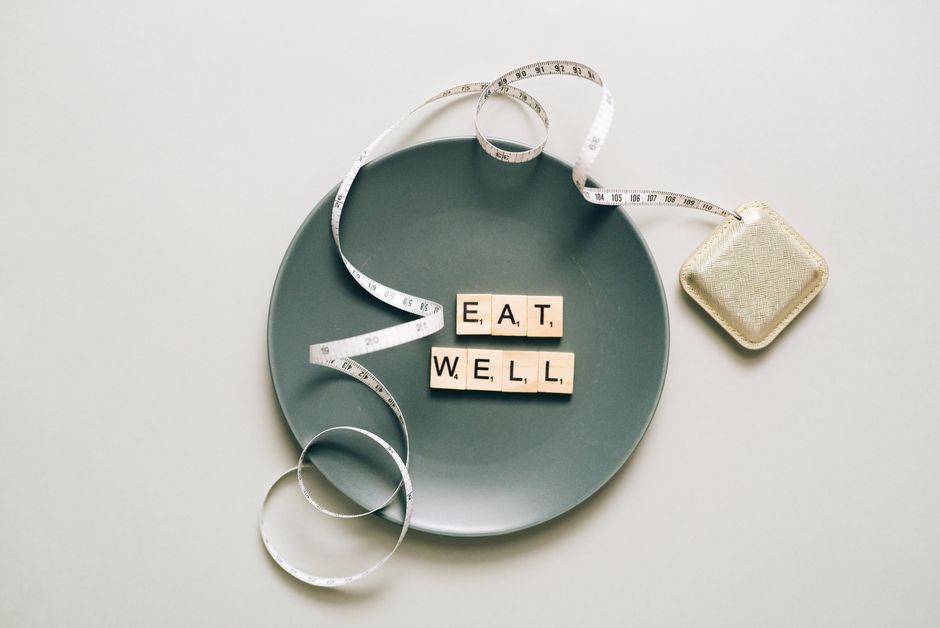
Breaking a fast is not about the first meal alone; it is about how your body reacts to food after a period without it. The goal is to ease your digestive system back into work without spiking your blood sugar or causing stomach upset. Start with small portions of easily digestible foods, prioritize protein and healthy fats, and avoid refined sugars and heavy processed foods for the first meal. This approach helps stabilize energy and prevents the discomfort that often follows a fast.
Why Your First Meal After Fasting Matters
When you fast, your body shifts from using glucose for energy to using stored fat. This process changes how your digestive system and metabolism respond to incoming food. Your stomach has been empty for hours, and the enzymes and acids that break down food need time to ramp back up.
Eating a large, heavy meal right away can overwhelm your system. It can cause bloating, nausea, or a sharp rise in blood sugar. The body also releases insulin in response to food, and a sudden flood of carbohydrates after a fast can lead to a rapid spike and then a crash. That crash often brings fatigue, brain fog, and cravings for more sugar.
Think of the first meal as a gentle restart. You are telling your body that food is available again, but you are not asking it to process a feast all at once. This is why the composition of that meal matters more than the timing.
What To Eat After Fasting: The Best First Foods
The ideal post-fast meal is moderate in size and rich in nutrients that are easy to digest. Protein is important because it helps rebuild tissue and keeps you full. Healthy fats provide steady energy. Complex carbohydrates give you fiber and lasting fuel without the sharp blood sugar spike.
Good options include:
- Bone broth or a light vegetable soup
- Eggs, whether boiled, scrambled, or poached
- Grilled chicken, fish, or turkey
- Cooked vegetables like spinach, zucchini, or carrots
- Avocado
- Plain yogurt or kefir
- Small portions of quinoa, oats, or sweet potato
These foods are gentle on the stomach. They provide protein and fiber without the heavy load of processed ingredients. A meal built around these choices gives your body what it needs without triggering digestive distress.
Some research suggests that including protein in your first meal after a fast helps with muscle preservation and satiety. The exact amount of protein you need depends on your body size and activity level, but a reasonable starting point is 20 to 30 grams. This is roughly the amount in three eggs or a palm-sized portion of chicken.
What To Avoid After Fasting
Certain foods are harder on the body after a fast. Refined sugars are the biggest concern. A doughnut, a sugary cereal, or a sweetened drink will enter your bloodstream quickly and cause a rapid insulin response. This can lead to a blood sugar crash within a couple of hours, leaving you tired and hungry again.
Heavy fried foods are also problematic. They take longer to digest and can cause nausea or indigestion when your stomach is empty. Foods like french fries, fried chicken, or creamy heavy sauces are best saved for a later meal, not the first one.
Highly processed foods should be avoided as well. These often contain refined flours, added sugars, and artificial ingredients that offer little nutritional value. They digest quickly and leave you hungry soon after.
Alcohol is another item to skip at the first meal. Drinking on an empty stomach increases absorption, which means you feel the effects faster and more intensely. This can lead to dizziness, nausea, and poor judgment about what you eat next.
Spicy foods may also cause discomfort after a fast. Your stomach lining has not had food to buffer the digestive acids, so a very spicy meal can irritate it. This varies by person, but if you are prone to heartburn, it is wise to ease in with milder flavors.




How Long Should You Wait Before Eating a Full Meal?
There is no single correct answer for everyone. Many people find that a small snack or light meal works best for the first hour after breaking a fast. Then they eat a regular meal one to two hours later. This staggered approach gives the digestive system time to adjust.
If you are doing intermittent fasting with a daily eating window, you can simply make your first meal the one described above. You do not need to eat a snack first if your first meal is already light and balanced. The key is to avoid rushing into a large, heavy meal.
Listen to your body. If you feel hungry shortly after a light first meal, that is normal. Eat another small portion of protein and vegetables. If you feel full and satisfied, wait until hunger returns naturally.
How Much Should You Eat After Fasting?
Portion size matters more than most people realize. After a fast, your stomach may not tolerate the same volume of food it handles when you have been eating regularly. The stomach stretches with food, and a sudden large volume can cause pain or nausea.
A good rule is to eat about half of what you would normally eat at a meal. Then wait 20 to 30 minutes. If you are still hungry, eat a little more. This gives your body time to signal fullness, which takes about 20 minutes to register in the brain.
Overeating after a fast is common, especially if you felt very hungry before breaking it. But eating too much too quickly can undo the benefits of fasting. It can cause a large insulin spike, sluggishness, and digestive discomfort. Slower eating and smaller portions help avoid this.
What About Fasting and Blood Sugar?
Fasting affects blood sugar differently depending on the person. For healthy individuals, blood sugar stays within a normal range during a fast because the liver releases stored glucose as needed. The problem is not the fasting itself but what happens when you eat afterward.
A meal high in refined carbohydrates after a fast causes a rapid rise in blood sugar. The body releases a large amount of insulin to bring it down. Over time, this pattern can contribute to insulin resistance, a condition where cells become less responsive to insulin.
Choosing foods with protein, fiber, and healthy fats helps keep blood sugar steady. These nutrients slow digestion and reduce the speed at which glucose enters the bloodstream. This is why the composition of your first meal matters for long-term metabolic health, not just immediate comfort.
If you have diabetes or take medication that affects blood sugar, talk to your doctor before fasting. Fasting can cause dangerous drops in blood sugar for some people. The guidance in this article is for generally healthy adults and does not replace medical advice.
Common Mistakes People Make When Breaking a Fast
One of the most common mistakes is breaking a fast with coffee or tea that is heavily sweetened. The caffeine is fine for many people, but the added sugar defeats the purpose. If you drink coffee, consider having it black or with a splash of unsweetened milk.
Another mistake is going straight to a large restaurant meal. The portions are often much bigger than what you would serve at home, and the food tends to be higher in salt and fat. This can leave you feeling bloated and regretful.
Some people also skip the first meal entirely and wait until the next one. This extends the fast longer than intended and can lead to extreme hunger, which often triggers overeating. It is better to break the fast with something light and then eat normally.
Finally, many people forget to drink water. Fasting often causes mild dehydration because you are not getting fluids from food. Drink water before and during your first meal to help digestion and prevent headaches.
Does the Type of Fast Change What You Should Eat?
The type of fast you did matters somewhat. If you did a short fast of 12 to 16 hours, like most intermittent fasting schedules, your body has not entered a deep fasting state. Your first meal can be a normal, balanced meal without much adjustment.
If you did a longer fast of 24 hours or more, your digestive system needs more gentle handling. The stomach has had longer to empty, and digestive enzyme production has slowed. In this case, starting with bone broth or a light soup is a sensible choice before moving to solid food.
For fasts lasting several days, medical supervision is recommended. Breaking a prolonged fast requires careful attention to electrolytes and gradual reintroduction of food. This is not something to do casually without guidance from a healthcare professional.
Practical Tips for Breaking Your Fast Smoothly
Plan your first meal before you break the fast. When you are hungry, it is harder to make good choices. Having food ready means you are less likely to reach for something processed or sugary.
Eat slowly and chew thoroughly. This helps your stomach process the food more easily and gives your brain time to register fullness. Put your fork down between bites and take a breath.
Consider starting with a warm beverage like herbal tea or broth. Warm liquids are soothing and help prepare the digestive tract for solid food. They also contribute to hydration.
After your first meal, pay attention to how you feel. If you experience bloating, fatigue, or a blood sugar crash, note what you ate. Over time, you will learn which foods work best for your body after a fast.
Frequently Asked Questions
What is the best food to break a fast?
Foods that are easy to digest and contain protein, like eggs or bone broth, are the best choices. Avoid refined sugars and heavy fried foods for the first meal.
Can I eat fruit after fasting?
Yes, but choose whole fruit rather than juice. Fruit provides fiber and natural sugars, but eating it alone may spike blood sugar, so pair it with protein or fat.
How long should I wait to eat a full meal after fasting?
There is no fixed time, but many people eat a light meal first and a larger meal one to two hours later. This gives the digestive system time to adjust.
Is it bad to break a fast with coffee?
Black coffee is generally fine for most people, but avoid adding sugar or heavy cream. If you are sensitive to caffeine on an empty stomach, wait until after your first meal.
