
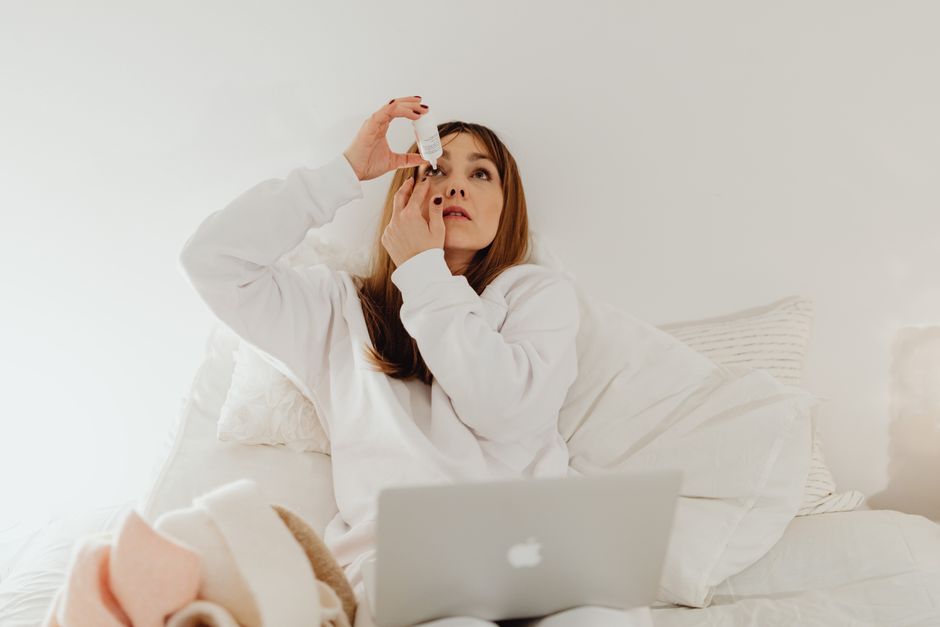
Most styes go away on their own within a few days to two weeks. The most effective home treatment is a warm compress applied for 10 to 15 minutes, three to four times a day. Do not squeeze or pop the stye. That can spread the infection and make things worse. Antibiotic ointments or drops may be prescribed by a doctor if the stye does not improve, but they are not usually needed for a simple stye.
What Is a Stye and What Causes It?
A stye, also called a hordeolum, is a small, painful lump on the eyelid. It happens when an oil gland or hair follicle on the eyelid becomes infected with bacteria, most often Staphylococcus aureus. The infection causes swelling, redness, and tenderness. Styes can form on the outside of the eyelid (external stye) or inside the eyelid (internal stye). Internal styes are often more painful and take longer to heal.
Risk factors include chronic blepharitis (inflammation of the eyelid margins), touching the eyes with unwashed hands, wearing eye makeup that is old or shared, not cleaning contact lenses properly, and reusing towels or washcloths that may harbor bacteria. Hormonal changes and stress can also contribute, though the evidence is less clear.
How To Get Rid Of A Stye: What Works
Warm compresses are the single most effective home treatment. Heat helps open the blocked gland and encourages drainage. Use a clean washcloth soaked in warm (not hot) water. Wring it out and hold it gently against the closed eyelid for 10 to 15 minutes. Repeat this three to four times a day. After the compress, you can gently massage the area in a circular motion with a clean finger to help the gland empty.
Keeping the area clean is important. Wash your hands before and after touching your eyes. Gently clean the eyelid with a cotton swab dipped in warm water or a mild tear-free baby shampoo diluted with water. Over-the-counter pain relievers like ibuprofen or acetaminophen can help with discomfort if needed.
Antibiotic ointments, such as bacitracin or erythromycin, are sometimes prescribed for styes that do not improve. They require a prescription and should be used exactly as directed. Over-the-counter antibiotic ointments are not typically recommended because the concentration may not be appropriate for the eye. Always check with a doctor before using any ointment near the eye.
What Should You Avoid When You Have a Stye?
Never squeeze or pop a stye. This can force bacteria deeper into the tissues and cause a more serious infection, such as cellulitis. It can also damage the eyelid and lead to scarring.
Avoid wearing eye makeup, including mascara, eyeliner, and eyeshadow, until the stye has completely healed. Makeup can reintroduce bacteria and irritate the area. Do not wear contact lenses until the stye resolves — switch to glasses. Wash your hands thoroughly before handling lenses in the future.
Do not share washcloths, towels, or pillowcases with others. Bacteria from the stye can spread. Change your pillowcases daily during the infection. Rub your eyes gently if at all; aggressive rubbing can worsen the blockage.





When To See a Doctor for a Stye
Most styes improve within a few days of warm compresses. You should see a doctor if:
- The stye does not start getting better after 48 hours of home treatment.
- The swelling spreads to other parts of your eyelid, cheek, or face.
- You develop vision changes or eye pain that is not just tenderness.
- The stye is very large, bleeds, or affects your ability to open the eye.
- You get styes repeatedly — this may indicate an underlying condition.
A doctor can diagnose a stye and sometimes drain it in the office if it does not resolve on its own. They may also prescribe antibiotic drops or ointment. If the lump persists after it heals and becomes a firm, painless nodule, it may be a chalazion — a blocked oil gland that is not infected. Chalazions often require different treatment, such as steroid injections or minor surgery.
Can You Prevent Styes?
Good eyelid hygiene is the best prevention. Wash your hands before touching your eyes. Clean your eyelids gently with a warm washcloth or eyelid scrub if you are prone to blepharitis. Replace eye makeup every three to six months and never share it. Remove all eye makeup before sleeping. Clean contact lenses according to the manufacturer’s instructions and replace the case regularly.
If you have chronic blepharitis, your doctor may recommend a daily eyelid cleaning routine. Some studies suggest that omega-3 fatty acid supplements may help improve the quality of oil in the glands, but the evidence is not strong enough to make a general recommendation. Talk to your doctor about it if you have recurrent styes.
Do Home Remedies Like Tea Bags or Warm Salt Water Work?
The key ingredient in any effective home treatment is moist heat. A warm compress — whether a washcloth, a clean tea bag, or a warm salt water compress — works because of the heat, not because of any special properties of tea or salt. Some people find that a warm tea bag (green tea, black tea) is convenient. There is limited evidence that tannins in tea have antibacterial effects, but the primary benefit is still the warmth. Plain tap water on a clean cloth is just as effective and less risky. Avoid using hot salt water directly on the eye — the salt can sting and cause irritation.
Do not use raw potatoes, egg whites, or garlic on a stye. These home remedies have no proven benefit and may introduce bacteria or irritate the eye. Stick to the proven method: moist heat, gentle cleaning, and time.
Frequently Asked Questions
How long does a stye last?
A stye usually resolves within 7 to 14 days. With consistent warm compresses, it often drains and heals faster.
Can you pop a stye?
No, never pop or squeeze a stye. Doing so can spread the infection and lead to more serious complications.
Are styes contagious?
Styes themselves are not highly contagious, but the bacteria from the infection can spread to other people through direct contact or shared towels. Good hygiene reduces the risk.
When should I see a doctor for a stye?
See a doctor if the stye does not improve after two days of home treatment, if swelling spreads beyond the eyelid, or if you have vision problems or fever.
