
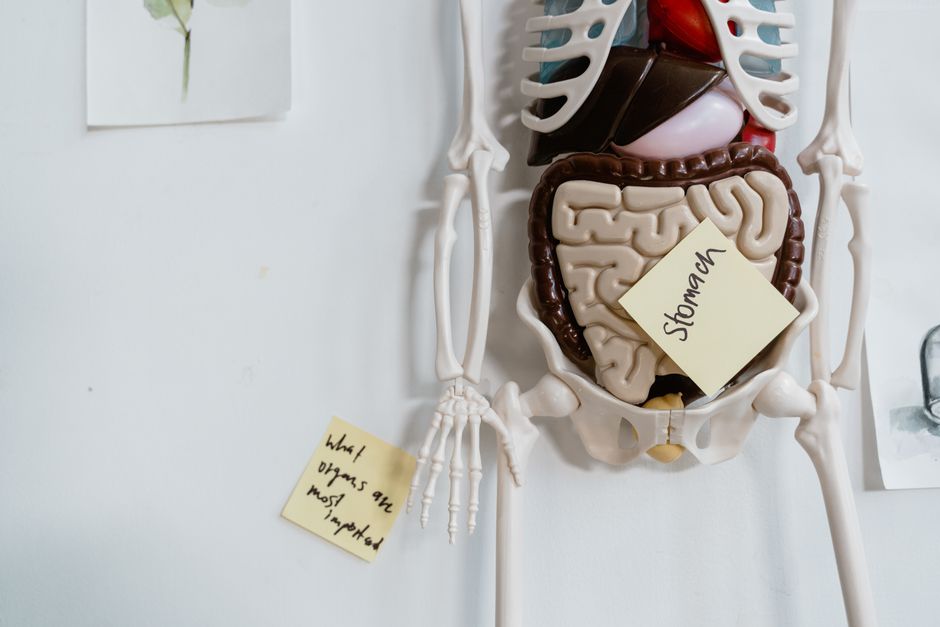
Stomach flu, also called viral gastroenteritis, is an infection of the intestines. It causes vomiting, diarrhea, and stomach cramps. The most important thing to know is that it usually clears up on its own within a few days. You cannot cure it with medication, but you can manage the symptoms and prevent dehydration while your body fights the virus.
What Actually Causes Stomach Flu?
Despite the name, stomach flu is not caused by the influenza virus. It is caused by several different viruses, most commonly norovirus and rotavirus. These viruses are highly contagious and spread easily through contaminated food, water, or surfaces. They can also spread through direct contact with an infected person.
The virus infects the lining of your small intestine. It causes inflammation, which leads to the cells not absorbing water properly. This is why you get watery diarrhea. The infection also triggers your body’s natural defense mechanisms, which include vomiting and stomach cramping.
How To Ease Stomach Flu: The First 24 Hours
The first day is usually the hardest. Your main goal is to rest your stomach and prevent dehydration. Start by giving your stomach a break. For the first few hours, avoid solid food entirely. Small sips of clear liquids are the priority.
Do not force yourself to eat if you feel nauseous. Your body needs time to settle. When you can hold down liquids without vomiting, you can slowly add bland foods. The classic BRAT diet — bananas, rice, applesauce, and toast — is a good starting point. These foods are easy to digest and gentle on your stomach.
Fluids Are The Most Critical Step
Dehydration is the biggest risk with stomach flu. When you lose fluids through vomiting and diarrhea, your body loses water and essential electrolytes like sodium and potassium. Replacing these is essential for recovery.
Water is good, but it does not contain electrolytes. Oral rehydration solutions are better because they balance fluids and salts. Products like Pedialyte are designed for this purpose. You can also use sports drinks, but they often contain too much sugar, which can make diarrhea worse.
Take small, frequent sips. A few tablespoons every 10 to 15 minutes is better than drinking a full glass at once. Drinking too much too quickly can trigger more vomiting. If you cannot keep any fluids down for more than 24 hours, you should contact a doctor.



What To Eat When You Feel Ready
Once vomiting stops, you can slowly reintroduce food. Start with small portions of bland, low-fat foods. The goal is to give your digestive system a chance to recover without overwhelming it.
Good options include:
- Plain crackers or saltines
- White rice or plain pasta
- Boiled potatoes without butter
- Plain toast or bread
- Bananas
- Applesauce
- Clear broths
Avoid dairy products, fatty foods, spicy foods, and anything high in sugar for a few days. These can be hard to digest and may prolong your symptoms. Caffeine and alcohol should also be avoided because they can dehydrate you further.
Medications: What Works And What Does Not
Many people reach for anti-diarrheal medications like loperamide (Imodium). The evidence on these is mixed. Some clinicians recommend them for adults with mild symptoms, but they are not always advised because they can keep the virus in your system longer. If you have a fever or blood in your stool, do not use them.
Anti-nausea medications can be helpful. Some are available by prescription only. Over-the-counter options exist, but you should ask a pharmacist or doctor before using them, especially if you have other health conditions.
Antibiotics do not work for stomach flu. The infection is viral, not bacterial. Taking antibiotics will not help and can cause side effects. There is no antiviral medication that treats viral gastroenteritis effectively.
Signs You Need To See A Doctor
Most cases of stomach flu resolve on their own. However, some situations require medical attention. Do not wait if you notice any of these signs.
Dehydration is the main concern. Signs include dry mouth, dark urine, dizziness, and feeling unusually tired. In severe cases, you may not urinate at all. For infants and young children, dehydration can happen very quickly. Look for fewer wet diapers, no tears when crying, and unusual drowsiness.
Seek medical care if you have:
- Blood in your vomit or stool
- A fever above 102°F (38.9°C)
- Vomiting that lasts more than two days
- Severe abdominal pain that does not go away
- Signs of severe dehydration
For older adults, pregnant women, and people with weakened immune systems, dehydration risk is higher. Contact a healthcare provider earlier rather than later if you fall into one of these groups.
How Long Does Stomach Flu Last?
Most people start feeling better within 1 to 3 days. Some symptoms, especially diarrhea, can last up to 10 days. The exact timeline depends on the virus causing the infection.
Norovirus, the most common cause, typically resolves in 1 to 3 days. Rotavirus can last 3 to 8 days in some cases. Even after your symptoms improve, you can still shed the virus in your stool for up to two weeks. This means you can still spread the illness to others during this time.
Your energy levels may take a few more days to return to normal. This is expected. Your intestines need time to heal and reabsorb nutrients properly. Do not rush back to a full diet or heavy exercise until you feel truly recovered.
How To Stop The Spread To Others
Stomach flu is extremely contagious. The virus can survive on surfaces for days. Preventing the spread is essential, especially if you live with others.
Wash your hands frequently with soap and water. Hand sanitizer is not as effective against norovirus, so soap and water are the better choice. Wash for at least 20 seconds, especially after using the bathroom and before preparing food.
Clean contaminated surfaces with a bleach-based cleaner. This includes doorknobs, faucets, and bathroom fixtures. Wash any clothing or linens that may have been contaminated in hot water.
Do not prepare food for others while you are sick and for at least two days after your symptoms stop. The virus can still be in your system, and you can unknowingly pass it to others through food.
Prevention: Can You Avoid Getting It Again?
There is no vaccine for norovirus, which is the most common cause of stomach flu in adults. A vaccine exists for rotavirus, but it is given to infants as part of their routine immunization schedule.
The best prevention is good hygiene. Wash your hands thoroughly and often. Be careful with food preparation, especially raw produce and shellfish. These can carry the virus if contaminated.
If someone in your household is sick, clean shared surfaces daily. Use separate towels and utensils when possible. These steps do not guarantee you will avoid the virus, but they significantly reduce your risk.
Frequently Asked Questions
How long should I wait before eating after vomiting?
Wait until you can hold down small sips of clear liquid for a few hours without vomiting. Then start with bland foods like crackers or toast in small amounts.
Is Gatorade good for stomach flu?
Sports drinks can help replace fluids, but they contain high amounts of sugar that may worsen diarrhea. Oral rehydration solutions are a better choice because they contain the right balance of electrolytes.
Can I take Imodium for stomach flu?
Some doctors recommend it for mild diarrhea in adults, but it is not always advised because it can keep the virus in your system longer. Avoid it if you have a fever or blood in your stool.
When is stomach flu contagious?
You are contagious from the moment you feel symptoms until about two weeks after you recover. The highest risk of spreading it is while you have symptoms and for the first few days after.
