
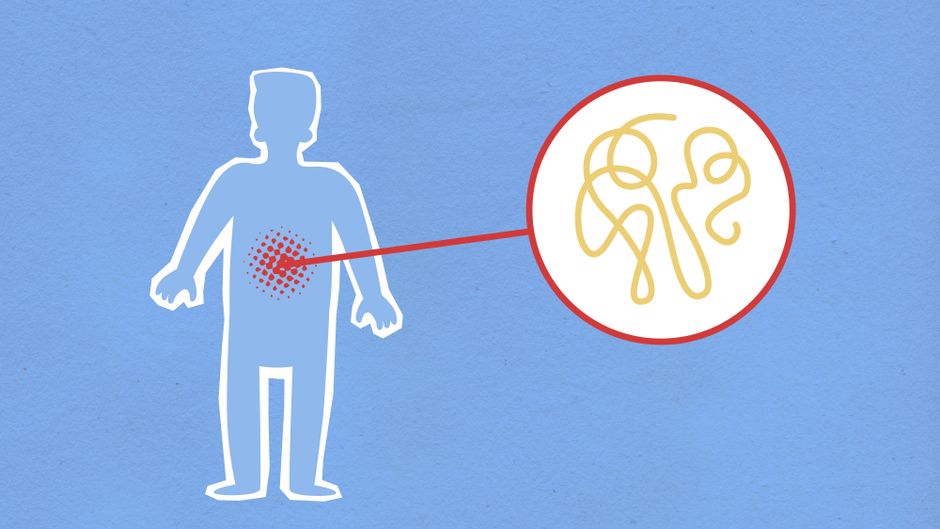
A hot or burning feeling in your stomach is uncomfortable and often worrying. Most of the time, this sensation comes from irritation in the stomach lining or acid moving into areas it should not. The feeling can range from a mild warmth to a sharp burning pain, and it usually points to a few common causes like acid reflux, gastritis, or even simple indigestion. Understanding what triggers this heat is the first step toward finding real relief, and most cases respond well to simple changes in diet and habits.
What Does a Hot Stomach Sensation Actually Mean?
The burning sensation you feel is not your stomach literally overheating. It is a nerve response to irritation. When the protective lining of your stomach or esophagus becomes inflamed, the acid that normally digests food starts to irritate the exposed tissue underneath.
This irritation sends pain signals to your brain, which you perceive as heat or burning. The sensation can stay in one spot or spread across your upper abdomen. Some people describe it as a warm pressure, while others feel a sharp, stinging pain. Both versions come from the same basic process of tissue irritation.
In most cases, this is not an emergency. But it is a sign that something in your digestive system needs attention. The cause determines how serious it is and what kind of relief will actually work.
Why Does My Stomach Feel Hot? Common Causes and Relief Options
Several conditions produce that hot or burning feeling in the stomach. Each one has a different mechanism, and treatment differs depending on the root cause.
Acid reflux and GERD. This is the most common cause. The lower esophageal sphincter, a ring of muscle at the bottom of your esophagus, fails to close properly. Stomach acid washes up into the esophagus, which has no protective lining like the stomach does. The result is a burning sensation behind the breastbone, often called heartburn. When it happens more than twice a week, it is classified as gastroesophageal reflux disease, or GERD.
Gastritis. This is inflammation of the stomach lining itself. It can be acute, coming on suddenly, or chronic, lasting for months. The most common cause is an infection with Helicobacter pylori bacteria. Long-term use of nonsteroidal anti-inflammatory drugs like ibuprofen or naproxen can also damage the stomach lining and cause gastritis. The burning pain in gastritis typically sits in the upper center of the abdomen and may worsen after eating.
Peptic ulcers. These are open sores on the inside of the stomach lining or the upper part of the small intestine. They develop when stomach acid damages the protective mucus layer. The burning pain from an ulcer often comes on when the stomach is empty and improves briefly after eating. H. pylori infection and NSAID use are the two main culprits here as well.
Functional dyspepsia. Some people experience chronic burning and discomfort with no visible inflammation or ulcer on endoscopy. This is called functional dyspepsia. The stomach appears normal, but it functions abnormally. The nerves in the stomach become overly sensitive to normal amounts of acid and stretching. This condition is diagnosed only after other causes are ruled out.
Food and drink triggers. Spicy foods, alcohol, caffeine, and carbonated drinks can directly irritate an already sensitive stomach. They do not cause ulcers or gastritis on their own in most people, but they can worsen symptoms if those conditions already exist.
Relief depends on the cause. For occasional acid reflux, antacids like calcium carbonate or magnesium hydroxide neutralize acid quickly. For more persistent symptoms, medications that reduce acid production, such as proton pump inhibitors, are effective. If H. pylori infection is present, antibiotics are required to cure the underlying problem.
How to Tell If It Is Serious
Most hot stomach sensations are temporary and harmless. But some symptoms require immediate medical attention. You should seek emergency care if the burning is accompanied by:
- Severe or worsening pain that does not go away
- Vomiting blood or material that looks like coffee grounds
- Black, tarry, or bloody stools
- Difficulty swallowing or pain with swallowing
- Unexplained weight loss
- Fever or chills
These symptoms can indicate a bleeding ulcer, a perforation in the stomach wall, or another serious condition. Do not wait to see if these symptoms resolve on their own.
For everyone else, the rule is simple. If the burning happens occasionally and goes away with antacids or changes in eating habits, it is likely a minor issue. If it happens consistently for more than two weeks, or if it wakes you from sleep regularly, schedule an appointment with a doctor. Persistent symptoms need proper evaluation, not just ongoing self-treatment.
What Actually Works for Immediate Relief
When the burning hits, you want relief now. Several strategies can help within minutes to hours.
Antacids. These neutralize acid already in the stomach. They work quickly, usually within five to ten minutes. Liquid forms tend to work faster than tablets. The effect lasts about one to two hours. Antacids are appropriate for occasional, mild symptoms.
Alginate products. These create a foam barrier on top of the stomach contents. The foam physically blocks acid from washing back into the esophagus. Alginate-based products are particularly useful for reflux symptoms after meals or at bedtime.
Posture adjustments. Gravity helps keep acid in the stomach. Sit upright after eating and avoid lying down for at least two to three hours after a meal. If symptoms bother you at night, elevate the head of your bed by six to eight inches using blocks under the bedposts. Extra pillows do not work because they bend your torso and increase abdominal pressure.
Avoid trigger foods immediately. Spicy foods, acidic foods like tomatoes and citrus, caffeine, alcohol, and mint can all worsen burning. Mint relaxes the lower esophageal sphincter, which can make reflux worse despite its soothing reputation. Avoid these foods until the burning resolves.
Loose clothing. Tight belts or waistbands increase pressure on the stomach and can push acid upward. Loosen anything restrictive around your waist for immediate relief.
These measures handle the symptom. They do not treat the underlying cause. If you need antacids more than twice a week, or if symptoms return consistently, you need a medical evaluation.
Long-Term Changes That Prevent the Burning
Preventing the hot sensation requires addressing why it happens in the first place. For most people, lifestyle adjustments make a meaningful difference.
Weight management. Excess abdominal weight increases pressure inside the abdomen. This pressure pushes stomach contents upward and weakens the lower esophageal sphincter. Research consistently shows that weight loss reduces reflux symptoms in people who are overweight. Even a modest reduction in weight can produce noticeable improvement.
Meal patterns. Large meals stretch the stomach and increase acid production. Eating smaller, more frequent meals reduces the volume of food in your stomach at any one time. Stop eating about three hours before bedtime. This gives your stomach time to empty before you lie down.
Food choices. Some foods relax the lower esophageal sphincter or directly irritate the stomach lining. Common offenders include fried and fatty foods, chocolate, caffeine, alcohol, carbonated drinks, citrus fruits, tomatoes, onions, and spicy foods. You do not need to eliminate all of these permanently. Identify your personal triggers by keeping a food diary for two weeks, noting what you eat and when symptoms occur.
Smoking cessation. Smoking weakens the lower esophageal sphincter and increases acid production. Quitting smoking reduces reflux symptoms and promotes healing of the stomach lining. This is one of the most effective long-term changes you can make.
Stress management. Stress does not cause stomach problems directly, but it can make existing symptoms worse. The brain and gut are connected through the vagus nerve. Stress can increase acid production and heighten pain sensitivity in the digestive tract. Techniques like deep breathing, regular exercise, and adequate sleep help manage stress levels and may reduce symptom frequency.
Frequently Asked Questions
Frequently Asked Questions
Can a hot stomach feeling be a sign of a heart attack?
Yes, in rare cases. Heart attacks can present as upper abdominal burning or discomfort, especially in women and older adults.
If the burning is accompanied by chest pressure, shortness of breath, sweating, or pain spreading to the arm or jaw, call emergency services immediately.
Does drinking milk help a burning stomach?
Milk provides temporary relief because it neutralizes acid briefly, but it can actually stimulate more acid production later.
The protein and calcium in milk trigger acid secretion, so symptoms often return within 30 minutes.
How long does a gastritis flare-up usually last?
With proper treatment, acute gastritis symptoms typically improve within a few days to a week.
Chronic gastritis requires ongoing management and can take weeks or months to fully control.
Is it safe to take antacids every day?
No, daily antacid use is not recommended for long-term management.
Regular use of antacids can mask underlying conditions and some types can cause side effects like diarrhea or constipation with prolonged use; see a doctor if you need them more than twice a week.
