
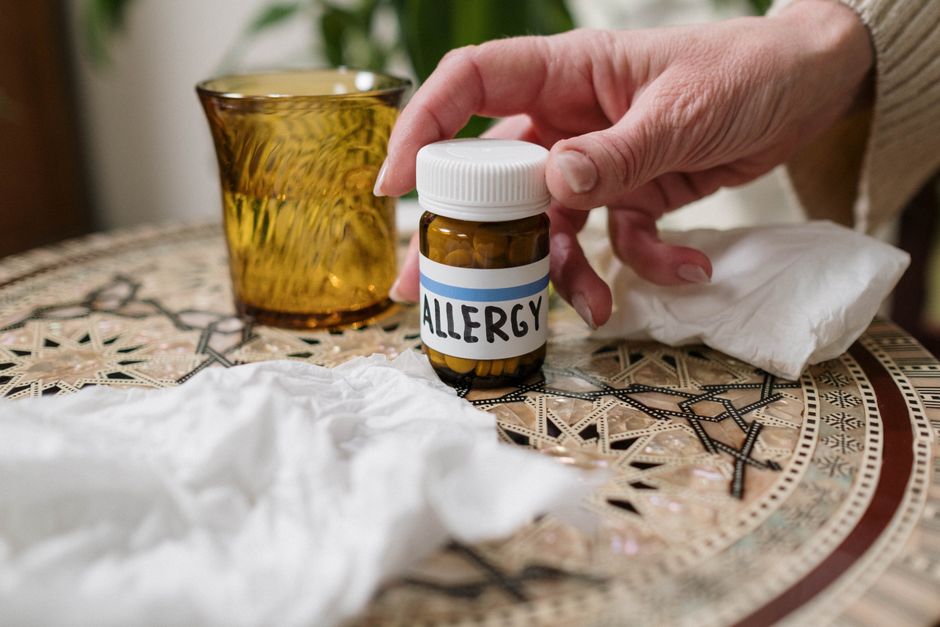
Allergies happen when your immune system mistakes something harmless — pollen, dust, pet dander — for a threat and attacks it. The symptoms you feel, from sneezing to itchy eyes to a stuffy nose, are the fallout of that attack. The most effective way to ease them is to reduce your exposure to the trigger and use proven treatments like antihistamines and steroid nasal sprays. For more stubborn cases, allergy shots can change how your immune system responds over time.
What Is Actually Happening In Your Body During An Allergic Reaction?
Your immune system has a memory. The first time it meets a harmless substance like tree pollen, it may decide that substance is dangerous and build a defense against it. That defense is an antibody called immunoglobulin E, or IgE.
The next time you breathe in that pollen, the IgE antibodies are waiting. They sit on the surface of special cells called mast cells, which are packed with histamine and other chemical messengers. When the pollen binds to the IgE, those mast cells burst open and release histamine into your tissues.
Histamine is the reason you feel miserable. It makes blood vessels widen and leak fluid, which causes swelling and congestion. It triggers nerve endings, which causes itching and sneezing. It tells your glands to produce more mucus. Every symptom you associate with allergies traces back to this one chemical and its relatives.
This is why antihistamines work. They block histamine from docking onto its receptors. They do not stop your immune system from making IgE, and they do not remove the trigger. They simply block the signal that histamine carries.
One thing worth understanding: allergies are not a sign of a weak immune system. They are a sign of an overactive one aimed at the wrong target.
How To Ease Allergy Symptoms With Treatments That Work?
Two categories of over-the-counter medication do most of the heavy lifting for seasonal and indoor allergies. They work differently, and knowing the difference helps you choose.
Antihistamines block histamine receptors. Second-generation options like cetirizine, loratadine, and fexofenadine are generally preferred over older first-generation drugs like diphenhydramine because they cause far less drowsiness. They work best when taken before symptoms start or at the first sign, and they are most effective for sneezing, itching, and runny nose.
Intranasal corticosteroid sprays are widely considered the most effective single treatment for nasal allergy symptoms. Drugs like fluticasone, mometasone, and budesonide reduce inflammation directly in the nasal passages. They take time — often several days to a week — to reach full effect, so consistency matters more than timing. They address congestion, which antihistamines do not handle well.
For people who do not get enough relief from one, combining an intranasal steroid spray with an antihistamine is a common and evidence-supported approach. Some clinicians also recommend antihistamine eye drops for itchy, watery eyes.
Decongestant nasal sprays like oxymetazoline shrink swollen tissue fast, but they should not be used for more than three days in a row. Longer use causes rebound congestion, where the spray itself makes your nose stuffier when it wears off. This is a well-documented effect, not a rare one.
Oral decongestants like pseudoephedrine can help with congestion but raise blood pressure and cause jitteriness in some people. Anyone with high blood pressure, heart disease, or thyroid problems should talk to a clinician before using them.
Do Home And Lifestyle Changes Make A Difference?
Reducing exposure to your trigger is the most direct way to reduce symptoms. It does not replace medication, but it lowers the amount of medication you need.
For pollen allergies, check local pollen counts and limit outdoor time on high-count days, especially in the morning when counts tend to peak. Keep windows closed during peak season and use air conditioning with a clean filter. Shower and change clothes after being outside, since pollen clings to hair and fabric.
For dust mite allergies, the evidence supports a few specific steps. Encase mattresses and pillows in allergen-proof covers. Wash bedding weekly in hot water. Keep indoor humidity below 50 percent if you can, because dust mites thrive in damp air.
For pet allergies, the most effective step is keeping the pet out of the bedroom. This is hard advice to follow, but it works because you spend hours there each night with your face near the bedding. HEPA air filters can reduce airborne allergens in a room, though their effect on actual symptoms is modest in most studies.
Nasal saline rinses are worth mentioning. Rinsing your nasal passages with saline solution physically flushes out pollen and mucus. Research generally supports this as a helpful add-on, not a standalone cure. Use distilled, sterile, or properly boiled and cooled water — never straight tap water, which can carry organisms that cause serious infections.





When Should You See A Doctor Or Allergist?
See a clinician if over-the-counter treatments are not controlling your symptoms, if you are using them more days than not, or if allergies are interfering with sleep, work, or daily life. That is a sign the current approach is not enough.
An allergist can do skin or blood testing to identify exactly what you are reacting to. This matters because guessing at triggers often leads people to avoid the wrong things. Knowing your specific allergen changes what you do.
If testing confirms a trigger and medications are not enough, allergy immunotherapy is an option. This comes as regular allergy shots or as sublingual tablets placed under the tongue for certain allergens like grass and ragweed. Immunotherapy is the only treatment that can change the underlying immune response and produce lasting relief after treatment ends. It takes months to years to work, and it is not effective for every allergen or every person.
Some people with severe allergies carry epinephrine auto-injectors. That is for anaphylaxis, a life-threatening reaction. If you have ever had trouble breathing, throat swelling, or a drop in blood pressure after an exposure, that is a medical emergency and requires immediate treatment.
What About Natural Remedies And Supplements?
This is where honesty matters most. Many products marketed for allergies have weak or absent evidence.
There is some evidence that nasal saline irrigation helps, and that is about the strongest natural option. Butterbur has shown some promise in older studies, but it contains compounds that can harm the liver, and safety concerns have limited its use. Anyone considering it should talk to a clinician first.
Local honey is a popular idea. The theory is that eating local pollen builds tolerance. No well-designed human trials have confirmed this works. The pollen in honey comes mostly from flowers, not the wind-pollinated plants that cause most seasonal allergies, so the reasoning itself is shaky.
Quercetin, vitamin C, and various herbal blends are often promoted for allergies. Evidence for symptom relief in humans is limited and mixed. Some small studies suggest possible effects, but nothing approaching the strength of evidence for standard medications.
None of this means natural approaches are worthless. It means the evidence is not there yet, and it is reasonable to be skeptical of claims that go beyond it.
How Do You Know If Your Treatment Is Working?
Give any new treatment a fair trial before judging it. Intranasal steroid sprays can take up to a week or two to show full benefit. Antihistamines usually work within an hour or two, so you will know quickly whether they help.
Track your symptoms in a simple way — a note on your phone is enough. Are you sneezing less? Sleeping better? Using fewer tissues? That is real data.
If a treatment is not helping after a reasonable trial, it is not a failure on your part. It may be the wrong treatment for your specific symptoms, or your trigger may not be what you think. That is where testing and a clinician’s input become useful.
Allergies are manageable for most people. The path is usually some combination of avoiding the trigger, using proven medications correctly, and getting help when those steps fall short.
Frequently Asked Questions
What is the fastest way to stop an allergy attack?
An antihistamine usually starts working within an hour and is the quickest option for sneezing, itching, and runny nose. For congestion, a steroid nasal spray works better but takes several days to reach full effect.
Are allergy shots worth it?
For people whose symptoms are not controlled by medication, immunotherapy can reduce symptoms and provide lasting relief after treatment ends. It takes months to years and does not work for everyone or every allergen.
Can allergies be cured?
No treatment currently cures allergies, but immunotherapy can change the immune response and reduce symptoms long-term. Most people manage allergies effectively with avoidance and medication.
Is it safe to use decongestant nasal spray every day?
No. Using decongestant sprays like oxymetazoline for more than three days in a row can cause rebound congestion. Limit use to short stretches and ask a clinician about longer-term options.
