
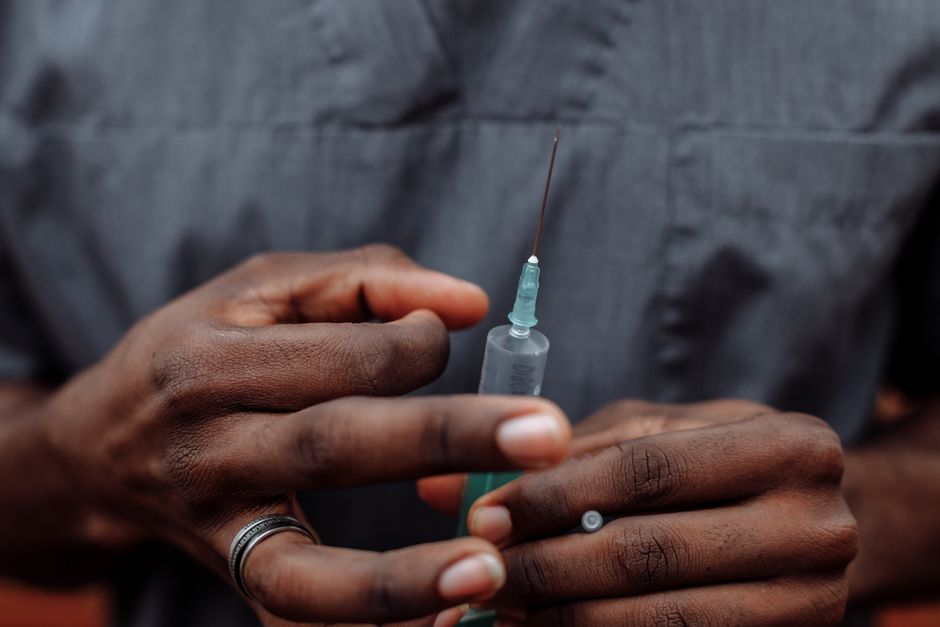
Allergy shots can only be administered by licensed healthcare professionals under the supervision of a physician. The specific rules vary by state, but generally, physicians, nurse practitioners, physician assistants, and registered nurses are permitted to give allergy shots. Exceptions exist for some patients on stable maintenance doses, but these are rare and require special approval from the prescribing doctor and compliance with state regulations.
Who Can Administer Allergy Shots Rules And Exceptions?
The short answer is that allergy shots, also called subcutaneous immunotherapy (SCIT), must be given by a trained professional in a medical setting. Federal law does not dictate a single list of who can administer them. Instead, each state’s medical board sets the rules. Most states allow the following providers to give allergy shots under physician supervision: allergists and immunologists, primary care doctors, nurse practitioners (NPs), physician assistants (PAs), registered nurses (RNs), and licensed practical nurses (LPNs) as long as they have the required training.
The main exception is for patients who have reached a stable maintenance dose and whose doctor determines that home administration is safe. Even then, the patient or a family member must receive thorough training in injection technique and how to recognize and treat anaphylaxis. This exception is not common and requires a written plan from the prescribing physician that meets state regulations.
Which Healthcare Providers Are Typically Allowed?
The most common providers to administer allergy shots are allergists and immunologists. They have the most training in managing allergic reactions. But in practice, many other healthcare professionals give shots in allergy clinics or primary care offices.
Physicians — any licensed physician (MD or DO) can administer allergy shots, but it is most often done by allergists.
Nurse practitioners and physician assistants — these mid-level providers can administer shots in most states, sometimes independently or under a collaborative agreement with a physician.
Registered nurses and licensed practical nurses — RNs and LPNs often give allergy shots in clinics. RNs usually have broader scope; LPNs may need direct supervision depending on state laws.
Medical assistants — some states allow medical assistants to administer allergy shots if they are under direct supervision of a physician and have documented training. This varies widely. Many states prohibit MAs from giving injections without a nurse or doctor present.
How Do State Laws Affect Allergy Shot Administration?
State medical boards regulate who can give injections, including allergy shots. There is no single national rule. For example, in California, a medical assistant must have a written authorization from a supervising physician and complete a training program. In Texas, a physician must be on-site when shots are given. In New York, only licensed professionals (RNs, NPs, PAs, physicians) may administer injectable medications; medical assistants cannot.
The safest approach is to check your state’s medical practice act or ask the prescribing doctor’s office. The staff who give the shots should always be able to explain their license type and training.




Are There Exceptions for Self-Administration?
Yes, but self-administration of allergy shots is not standard practice. It is reserved for select patients who have been on maintenance doses for a long time without any reactions. The American Academy of Allergy, Asthma & Immunology (AAAAI) has published guidelines for home administration. These require: a stable dose for at least one year, no history of severe reactions, reliable access to epinephrine, and a caregiver or patient trained to handle anaphylaxis.
Even under these conditions, home administration carries more risk than office-based administration because immediate medical help is not on site. Many allergists do not offer this option. If a patient is interested, they must discuss it thoroughly with their doctor and comply with state regulations, which may require written approval from the physician and documentation of patient education.
What Training Is Required to Give Allergy Shots?
Anyone who administers allergy shots must be trained in several key areas. First, they need to know how to properly prepare the injection, including mixing the dose if it is a multi-dose vial. Second, they must be able to correctly identify the patient and the dose. Third, and most critically, they must be trained to recognize and treat anaphylaxis. This includes knowing when to administer epinephrine and how to use an auto-injector.
Most clinics require staff to have current Basic Life Support (BLS) or Advanced Cardiac Life Support (ACLS) certification. Some states also mandate that a physician be within a certain distance or immediately available by phone during shot administration. The training should be documented and updated regularly.
What Are the Risks of Improper Administration?
Giving an allergy shot incorrectly can lead to serious harm. The most immediate risk is anaphylaxis, a severe allergic reaction that can cause difficulty breathing, low blood pressure, and death if not treated quickly. Other risks include giving the wrong dose, injecting into a blood vessel instead of under the skin, or causing a local infection. If the person giving the shot is not trained to manage these complications, the consequences can be life-threatening.
That is why the rules for who can administer allergy shots exist. They are not bureaucratic hurdles — they are safety measures based on decades of clinical experience. The risk of a severe reaction is highest during the build-up phase, which is why those shots must almost always be given in a medical setting. Even during maintenance, a reaction can occur years into treatment.
Frequently Asked Questions
Frequently Asked Questions
Can a nurse give allergy shots?
Yes, a registered nurse (RN) can give allergy shots in most states under physician supervision. Some states also allow licensed practical nurses (LPNs) to give them if they have the required training and direct supervision.
Can I give myself allergy shots at home?
Only in rare situations where you have been on a stable maintenance dose for at least a year, have no history of severe reactions, and have been trained by your doctor to handle anaphylaxis. You also need a written plan and state approval.
Do allergy shot rules vary by state?
Yes, state laws determine which types of healthcare professionals can administer shots and under what level of supervision. Check your state’s medical practice act or ask your allergist’s office for the specific rules in your area.
