
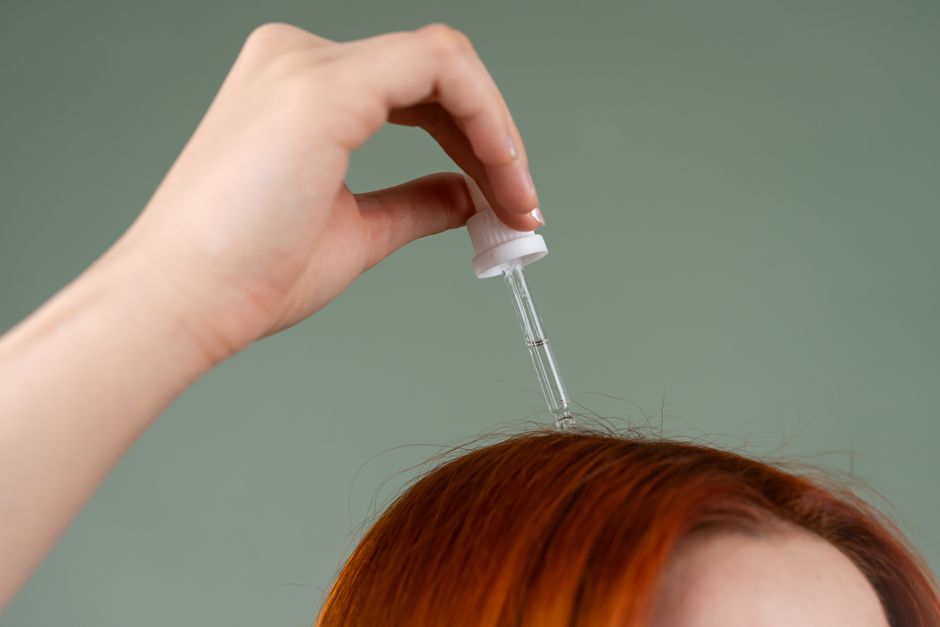
Dyeing your own hair at home is a skill anyone can learn with the right preparation. The process comes down to four steps: pick a shade within two levels of your natural color, do a patch and strand test first, apply dye to dry unwashed hair in sections, and follow the developer timing on the box. Most disappointing results trace back to skipped tests or rushing the application, not to the dye itself.
Home hair color is a large market for a reason. It costs far less than a salon visit, and modern formulas are genuinely easier to use than the kits of twenty years ago. What they cannot do is read your hair. That part is on you.
What Type of Hair Dye Should You Choose?
Hair color products fall into a few broad categories, and the one you pick decides how long the color lasts and how much damage it can cause.
Permanent dye lifts the hair’s outer cuticle and deposits color inside the cortex. It lightens and darkens, covers gray, and does not wash out. It also uses the highest concentration of developer and does the most structural damage over time.
Demi-permanent dye sits partly in the cuticle and partly in the outer cortex. It adds tone or darkens but cannot lighten. It fades gradually over roughly 12 to 24 washes depending on the formula. It uses a low-volume developer or none at all.
Semi-permanent dye coats the outside of the hair shaft. No developer, no lift. It washes out in about 4 to 8 shampoos. It is the gentlest option and the least predictable on gray hair, which tends to resist it.
Henna and plant-based dyes work differently again. True henna deposits a single pigment and cannot be lightened out afterward. Anyone considering henna should know that before applying it, not after.
Match the product to the goal. If you want to go darker or cover gray, demi-permanent may be enough. If you want to go lighter, you need permanent dye with lift, and that is where home coloring gets risky.
Why Going Two Shades Lighter Is the Practical Limit at Home
Colorists generally treat two levels of lift as the sensible ceiling for a single home application. Beyond that, the chemistry gets harder to control and the odds of a brassy or uneven result rise sharply.
Here is the mechanism. Hair color levels run from 1 (black) to 10 (lightest blonde). To go lighter, the developer opens the cuticle and the bleach or lightener inside the dye removes natural pigment. Natural pigment leaves behind warm undertones as it breaks down — red, then orange, then yellow. That is why dark hair lifted too fast turns orange rather than blonde.
Salon lightening works because a professional can watch the process, adjust mid-application, and use toner afterward to neutralize unwanted warmth. A box kit gives you one fixed formula and one fixed timing. It is a closed system.
Going darker is far more forgiving. Deposit-only color adds pigment without removing any, so the main risk is a shade that reads flatter or darker than the swatch suggested.
How To Dye Your Own Hair Without Missing Spots
Uneven coverage is the most common home dye complaint, and it almost always comes from sectioning too little or applying too slowly.
Start with dry, unwashed hair. Natural oils on the scalp offer some protection against irritation from the developer. Wash your hair the day before, not the hour before.
Work in four sections: a center part down the back, then from ear to ear across the crown. Clip each section out of the way. Apply color to one section at a time, starting at the back where you cannot see well and finishing at the front.
Take thin subsections, about half an inch wide. Saturate from root to tip. If you are doing a root touch-up, apply to the regrowth first and pull through to the ends only for the final few minutes. Ends are more porous and grab color faster than roots.
Set a timer. Follow the timing on the package, not a guess. Leaving dye on longer than directed does not make color last longer; it increases damage and can push the shade darker than intended.
Rinse with cool water until it runs clear, then use the conditioner in the kit. Skip shampoo for at least 24 hours afterward.





Why a Strand Test and Patch Test Are Not Optional
A patch test checks for allergic reaction. A strand test checks the color result. They are different tests and both matter.
Patch testing means applying a small amount of dye behind your ear or on your inner elbow, then waiting the time stated on the package — typically 48 hours — before coloring. Hair dye ingredients, particularly a class of compounds called aromatic amines, can cause allergic contact dermatitis. Reactions can be severe and can include swelling of the face and scalp. A reaction on a second use is possible even if the first use was fine, because sensitization can develop over repeated exposure.
Some people should not dye their hair at all without medical advice: anyone with a known allergy to dye ingredients, anyone with a broken or irritated scalp, and anyone who has reacted to hair dye before. If you have had a reaction, do not try again with a different brand on your own.
A strand test is simpler. Snip a small section of hair from an inconspicuous spot, tape it to a card, and apply the dye exactly as directed. You will see the real color on your real hair before it is on your head.
What Causes Hair Dye to Turn Out Wrong?
Most home color problems have an identifiable cause.
- Brassy or orange result. Too much lift on dark hair, or a shade without enough cool tone to counteract warm undertones.
- Color too dark. Applying to hair that already had color on it, or leaving dye on past the directed time.
- Uneven patches. Applying to wet hair, missing sections, or overlapping dye on previously colored lengths.
- Fading fast. Using a semi-permanent product when permanent coverage was needed, or washing with hot water and harsh shampoo.
- Green tint on light hair. Usually a reaction between dye and mineral buildup. A clarifying treatment before coloring can help.
Color on previously colored hair is a separate problem. Dye cannot tell old color from new. Applying a lightener over already-lightened hair can cause breakage because the hair is already structurally weakened. If your hair has been colored more than once, especially if it has been lightened, the safest move is a professional consultation rather than another box kit.
Does Home Hair Dye Damage Your Hair?
Permanent dye causes measurable structural change to the hair shaft. That is not a marketing claim in either direction — it is how the product works. Lifting the cuticle and removing pigment weakens the protein structure inside.
The damage is cumulative. Repeated permanent coloring, especially lightening, makes hair more prone to breakage and dryness over time. Demi-permanent and semi-permanent products cause less disruption because they use little or no developer.
What is less clear is how much damage is acceptable for any one person. It depends on hair type, prior chemical treatments, and how often you color. There is no universal threshold. If your hair feels gummy when wet or snaps easily, that is a sign to stop lightening and let it recover.
How Long Does Hair Dye Last?
Permanent dye does not wash out, but it does fade. The pigment stays in the cortex while the color gradually loses intensity from washing, sun exposure, and heat styling. Most people notice visible fading within a few weeks to a couple of months.
Roots are the real clock. Hair grows about half an inch per month on average, so regrowth becomes visible in roughly four to six weeks. Touch-ups address roots only. Pulling permanent dye through the lengths every time is one of the fastest ways to end up with darker, more damaged ends.
Demi-permanent color fades over roughly 12 to 24 washes. Semi-permanent fades in about 4 to 8. If you are unsure how a shade will look, start with a semi-permanent product. It gives you an exit.
Should You Color Your Hair at Home or See a Professional?
Home dyeing works well for going darker, covering gray, and refreshing color you already have. Those are deposit-only goals with a wide margin for error.
See a professional for going more than two shades lighter, correcting a color you dislike, working with heavily lightened or chemically treated hair, or any color that requires bleach. Those situations involve judgment calls that a fixed kit cannot make.
There is also a middle path. Many people color at home between salon visits and let a professional handle lightening or correction. That keeps costs down without gambling on the hardest part of the process.
Frequently Asked Questions
Can I dye my hair at home if it has already been colored?
Yes, but only with a deposit-only product or a root touch-up, not another round of lightener. Applying permanent lightening dye over already-lightened hair raises the risk of breakage because the hair is already weakened.
Should I wash my hair before dyeing it?
No. Apply dye to dry, unwashed hair, ideally a day after your last shampoo. Natural scalp oils provide some protection against irritation from the developer.
How long should I leave hair dye on?
Follow the timing printed on your specific product, since it varies by formula and developer strength. Leaving dye on longer than directed does not improve the result and can increase damage.
Can hair dye cause an allergic reaction the first time?
Yes, and it can also happen after years of use with no prior problem. That is why a patch test before every application, not just the first one, is the standard recommendation.
