
Dropping 20 pounds quickly is a serious goal that requires a strict calorie deficit, not a fad diet. The safest effective rate is 1 to 2 pounds per week, which means you are looking at 10 to 20 weeks of consistent work. You achieve this by combining a reduced-calorie eating plan with increased physical activity, and you must prioritize protein and strength training to preserve muscle mass.
What Does “Fast” Really Mean for Weight Loss?
Fast weight loss is about the rate of change, not a magic pill. A sustainable pace is losing 1 to 2 pounds per week because that typically represents fat loss rather than water or muscle loss. Losing more than that usually means you are losing water weight and lean tissue, which slows your metabolism and makes it harder to keep the weight off.
To lose 20 pounds at a rate of 1.5 pounds per week, you need about 13 to 14 weeks. That is roughly three months of disciplined eating and exercise. If you try to do it in four weeks, you will lose mostly water and muscle, and you will likely regain the weight quickly once you resume normal eating.
How Many Calories Should You Cut to Lose 20 Pounds?
Weight loss comes down to energy balance. You need to burn about 3,500 calories to lose one pound of body fat. To lose 1 to 2 pounds per week, you need a daily calorie deficit of 500 to 1,000 calories.
Most adult women need 1,600 to 2,400 calories per day to maintain their weight, while most adult men need 2,000 to 3,000 calories. To lose weight, you would reduce that by 500 to 1,000 calories. This generally puts women in the 1,200 to 1,500 calorie range and men in the 1,500 to 1,800 calorie range for active weight loss.
Do not go below 1,200 calories per day for women or 1,500 for men without medical supervision. Eating too little triggers your body to conserve energy, increases hunger hormones, and makes it nearly impossible to sustain the effort.
What Should You Eat to Drop 20 Pounds Fast?
Your food choices matter as much as your calorie count. Prioritize foods that keep you full and provide essential nutrients, not foods that just fill a calorie quota.
- Protein: Aim for 0.7 to 1 gram of protein per pound of body weight. Protein preserves muscle, keeps you full, and has a higher thermic effect than carbs or fat, meaning your body burns more calories digesting it.
- Vegetables: Fill half your plate with non-starchy vegetables like leafy greens, broccoli, peppers, and cauliflower. They are low in calories and high in fiber and water, which fills your stomach.
- Whole grains and legumes: Choose oats, quinoa, brown rice, beans, and lentils over refined white bread and pasta. The fiber slows digestion and stabilizes blood sugar.
- Healthy fats: Include avocados, nuts, seeds, and olive oil in moderation. Fats are calorie-dense, so measure portions carefully.
Avoid sugary drinks, fruit juice, alcohol, and ultra-processed snacks. These provide calories with little satiety, making it easy to consume hundreds of extra calories without feeling fuller.



How Much Exercise Do You Need?
Diet is the primary driver of weight loss, but exercise accelerates it and preserves muscle. You need a combination of cardio and strength training.
Cardiovascular exercise burns calories directly. Brisk walking, jogging, cycling, or swimming for 150 to 300 minutes per week is effective. That works out to 30 to 60 minutes most days of the week.
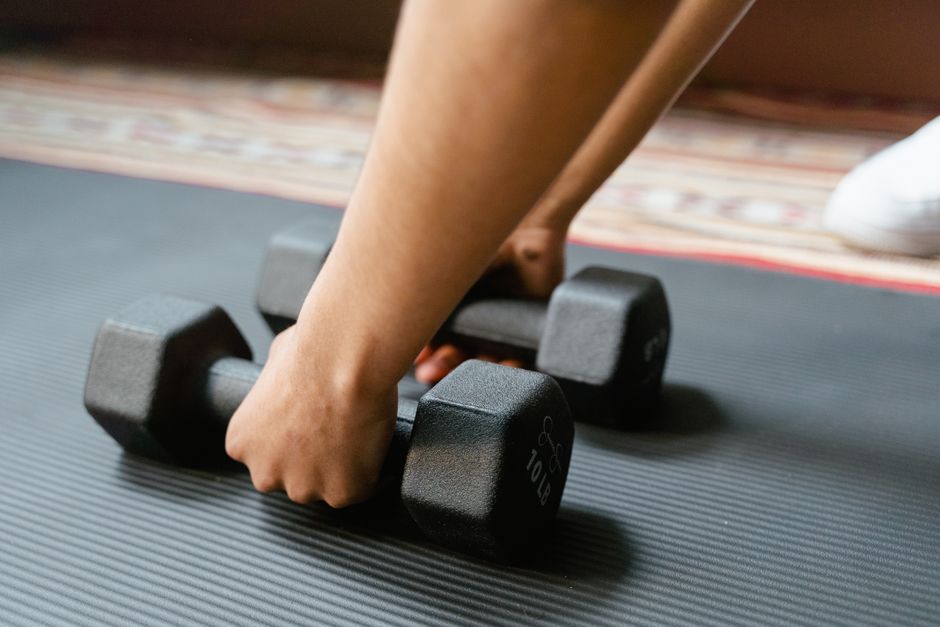
Strength training is equally important. It builds and preserves muscle mass, which keeps your resting metabolic rate higher. Aim for at least two to three sessions per week, targeting all major muscle groups. You do not need heavy weights; bodyweight exercises like push-ups, squats, and lunges work well for beginners.
High-intensity interval training (HIIT) can be time-efficient, but it is not superior to steady-state cardio for weight loss. Choose the form of exercise you can do consistently.
What About Intermittent Fasting for Quick Results?
Intermittent fasting is a pattern of eating that alternates between fasting periods and eating windows. The most common method is the 16:8 approach, where you fast for 16 hours and eat within an 8-hour window.
Research shows that intermittent fasting works for weight loss primarily because it helps people eat fewer calories overall. It does not have unique metabolic advantages over a standard calorie-restricted diet. Some people find it easier to skip breakfast and eat two larger meals, while others feel too hungry during the fasting period.
If you try intermittent fasting, focus on the quality of food during your eating window. A fasting period followed by a 2,000-calorie fast-food meal will not produce weight loss.
Are Weight Loss Supplements Safe or Effective?
The supplement industry is not tightly regulated, and most weight loss supplements have minimal evidence behind them. Caffeine and green tea extract can slightly boost metabolism, but the effect is small and not enough to produce meaningful weight loss on their own.
Some prescription medications are available for weight loss, but they are intended for people with a BMI of 30 or higher, or a BMI of 27 with obesity-related conditions. These require a doctor’s prescription and ongoing monitoring.
Be extremely cautious with over-the-counter fat burners, detox teas, and appetite suppressants. Many contain unlisted ingredients or unsafe stimulant doses. No supplement replaces the need for a calorie deficit.
How to Avoid Losing Muscle While Losing Fat
When you cut calories, your body wants to break down muscle for energy. You need to signal your body to keep that muscle. Eating enough protein and doing strength training are the two most effective strategies.
If you lose weight too quickly, a larger percentage of the weight lost will be muscle. This is why crash diets are counterproductive. You may see a lower number on the scale, but you also end up with a slower metabolism and a softer body composition.
Track your progress with measurements, not just the scale. If your waist circumference is decreasing but the scale is moving slowly, you are likely losing fat and preserving muscle, which is the right outcome.
What Are the Biggest Mistakes That Slow You Down?
Several common errors sabotage weight loss efforts. Avoiding these will keep you on track.
- Underestimating portion sizes: People routinely eat more than they think. Use a food scale for at least the first two weeks to calibrate your eye.
- Drinking calories: Liquid calories from soda, sweetened coffee, sports drinks, and alcohol add up quickly and do not suppress hunger.
- Eating back exercise calories: A 300-calorie workout does not justify a 500-calorie treat. Track your net intake honestly.
- Being inconsistent on weekends: Two strict days followed by five loose days will stall progress. Consistency matters more than perfection on any single day.
- Ignoring sleep: Poor sleep increases ghrelin, the hunger hormone, and decreases leptin, the fullness hormone. Aim for 7 to 9 hours per night.
When Should You See a Doctor Before Starting?
If you have a chronic condition like diabetes, heart disease, or kidney disease, talk to your doctor before starting any weight loss plan. The same applies if you take prescription medications, as weight loss may require dose adjustments.
Pregnant or breastfeeding women should not attempt weight loss without medical supervision. Children and adolescents should also avoid aggressive calorie restriction because it can interfere with growth and development.
If you experience chest pain, shortness of breath, dizziness, or severe fatigue during exercise, stop and seek medical attention.
Frequently Asked Questions
How fast can you safely lose 20 pounds?
Safely, you can lose 1 to 2 pounds per week, so 20 pounds takes 10 to 20 weeks. Faster loss usually means losing water and muscle, not just fat.
What is the best diet to lose 20 pounds fast?
Any diet that creates a consistent calorie deficit works, but high-protein, high-fiber plans are easiest to sustain. Choose whole foods over processed ones and track your portions.
Can you lose 20 pounds in a month?
Losing 20 pounds in one month is not realistic or safe for most people. It would require a daily deficit of about 2,500 calories, which is extreme and leads to muscle loss and metabolic slowdown.
Do you need to exercise to lose 20 pounds?
You can lose weight with diet alone, but exercise helps you create a larger calorie deficit and preserves muscle. Combining both is the most effective approach.
