
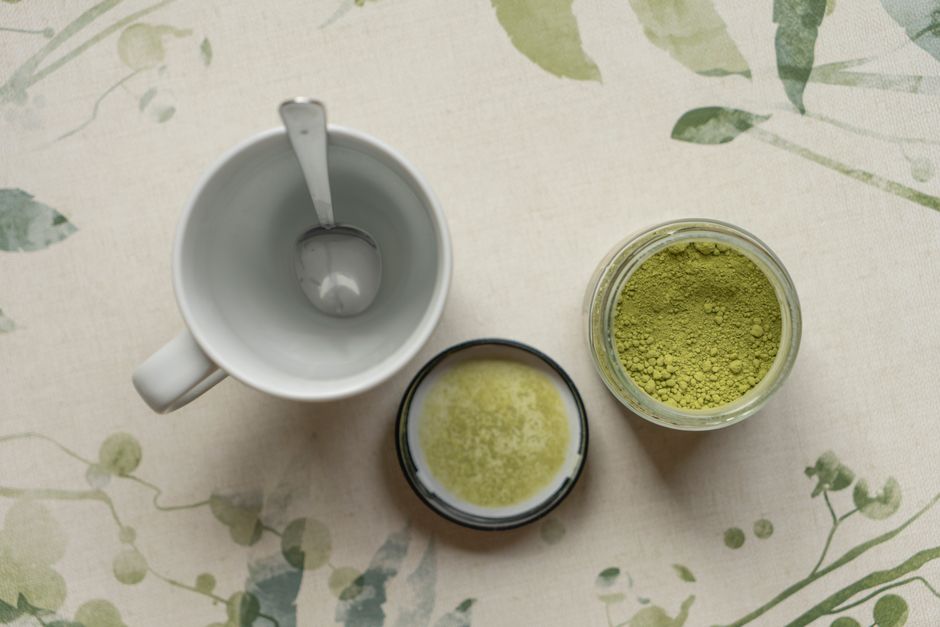
Matcha can be prepared three main ways: thin (usucha), thick (koicha), or as a latte with milk. Thin matcha uses about 1 gram of powder with 70 ml of hot water, while thick matcha uses double the powder with less water. A latte simply adds steamed milk to a thin preparation. The right choice depends on your taste, the grade of matcha, and whether you want a traditional ceremony or a daily drink.
What Is the Difference Between Thin and Thick Matcha?
Thin matcha, called usucha in Japanese, is the everyday way to drink matcha. It has a lighter flavor and a thinner consistency. Most cafes and home drinkers prepare matcha this way.
Thick matcha, called koicha, is a concentrated paste-like drink. It uses roughly double the amount of matcha powder with the same or less water. The result is intense, bold, and slightly sweet despite having no sugar. Koicha is reserved for formal tea ceremonies and requires a high-grade ceremonial matcha.
The powder quality matters more for thick matcha. Lower grades taste bitter when concentrated. Ceremonial grade is the only type suitable for koicha.
What Is the Correct Matcha to Water Ratio?
Standard thin matcha uses about 1 gram of powder to 70 ml of water. That is roughly half a teaspoon to a quarter cup. Water temperature should be 70-80°C (160-175°F), not boiling.
Thick matcha uses about 2 grams of powder to 30 ml of water. That is roughly one teaspoon to two tablespoons. The water should be cooler, around 60-70°C (140-160°F).
Boiling water destroys the delicate amino acids and creates a harsh bitter taste. Let boiled water sit for a few minutes before using it.
How To Drink Matcha Tea Thin Thick Or Latte: Step by Step
Start with sifting. Matcha clumps easily. Sift the powder through a small strainer into a bowl or cup. This prevents lumps and gives a smooth texture.
Thin matcha steps:
- Sift 1 gram (half a teaspoon) of matcha into a bowl
- Add 70 ml of water heated to 70-80°C
- Whisk in a zigzag motion using a bamboo whisk for 15-20 seconds
- Stop when a fine foam forms on the surface
Thick matcha steps:
- Sift 2 grams (one teaspoon) of matcha into a bowl
- Add 30 ml of water heated to 60-70°C
- Fold and press the mixture with the whisk, not whisking in zigzags
- Knead until the paste is glossy and smooth with no lumps
Matcha latte steps:
- Prepare a thin matcha as above, using 70 ml of water
- Heat and froth 150-200 ml of milk separately
- Pour the milk over the matcha
- Sweeten only if desired — traditional matcha is unsweetened
The bamboo whisk matters for texture. A regular spoon or fork will not create the same fine foam. If you do not have a bamboo whisk, an electric milk frother works as a practical substitute.





Which Matcha Grade Should You Use?
Matcha comes in three main grades: ceremonial, premium, and culinary. The grade affects both taste and how you should prepare it.
Ceremonial grade is the highest quality. It is made from the youngest tea leaves and has a vibrant green color. It tastes smooth and slightly sweet with no bitterness. Use this for thick matcha or for drinking plain.
Premium grade is good for daily thin matcha. It is slightly less refined than ceremonial grade but still pleasant to drink without milk.
Culinary grade is designed for cooking and baking. It has a stronger, more bitter taste. Use it in smoothies, baked goods, or lattes where other ingredients mask the bitterness. Do not drink culinary grade plain.
Check the label. Some brands label their product “ceremonial grade” when it does not meet true ceremonial standards. Look for matcha imported from Japan, specifically from Uji or Nishio regions, which have the strongest reputation.
Does the Whisking Technique Change the Taste?
Yes. Whisking incorporates air into the matcha, which changes both texture and flavor. A proper whisk creates a fine, creamy foam. This foam softens the bitterness and creates a smoother mouthfeel.
For thin matcha, whisk in an “M” or “W” motion quickly. The goal is to create small bubbles. Large bubbles mean you whisked too slowly or the water was too hot.
For thick matcha, do not whisk at all. Fold the powder into the water using a pressing motion. The goal is a dense, syrup-like consistency with no foam.
Studies on matcha preparation consistently show that water temperature and whisking time directly affect the concentration of catechins and L-theanine in the final drink. Lower temperatures preserve more L-theanine, the amino acid responsible for matcha’s calming effect.
Is Matcha Healthier Thin, Thick, or as a Latte?
The health difference comes down to dose and what you add. Thick matcha delivers twice the nutrients per serving because it uses twice the powder. A latte delivers the same nutrients as thin matcha but with added calories from milk.
Matcha contains caffeine and L-theanine. A typical thin matcha serving has about 30-50 mg of caffeine, roughly one-third to one-half of a cup of coffee. Thick matcha has double that amount. L-theanine moderates the caffeine effect, producing alertness without the jittery feeling coffee can cause.
Matcha is rich in a class of antioxidants called catechins. The most studied catechin is EGCG. Research consistently shows that green tea catechins have antioxidant properties, though studies on their specific disease-prevention effects show mixed results.
If you add milk, choose your milk wisely. Whole milk adds saturated fat. Plant milks vary widely in added sugar. Unsweetened oat or almond milk keeps the latte lighter.
One honest note: the antioxidant content of matcha is well documented, but claims about matcha “boosting metabolism” or “burning fat” are overstated. Some studies show a modest effect, but the evidence is not strong enough to recommend matcha as a weight loss tool.
Does Milk Affect the Absorption of Matcha Antioxidants?
This is a common question and the evidence is mixed. Some research suggests that milk proteins can bind to catechins and reduce their absorption. Other studies find no significant difference.
A 2007 study in the Journal of Agricultural and Food Chemistry found that adding milk to tea did not reduce catechin absorption in humans. However, other research has suggested dairy proteins may interfere with antioxidant activity.
The practical takeaway: if you drink matcha primarily for antioxidants, drinking it plain or with a small amount of milk is safer. If you drink it for taste, the difference is unlikely to matter much. The overall evidence does not support avoiding milk entirely.
How Much Matcha Can You Drink Per Day?
Most research on green tea uses 3-5 cups per day. Matcha is more concentrated than regular green tea, so less is needed.
For most healthy adults, 1-2 servings of matcha per day is reasonable. That equals about 1-2 grams of matcha powder daily. This keeps caffeine intake moderate and stays within the range used in most green tea studies.
Pregnant women should limit caffeine to 200 mg per day according to general pregnancy guidelines. One thick matcha serving could approach that limit. One thin serving is well below it. If you are pregnant, treat matcha like any other caffeinated beverage and count it toward your daily caffeine total.
Matcha is high in oxalates. People with a history of kidney stones should be cautious. Some research suggests high oxalate intake can increase stone risk in susceptible people. If you have had kidney stones, talk to your doctor before drinking matcha regularly.
What Are Common Matcha Mistakes to Avoid?
The most common mistake is using boiling water. This makes matcha bitter and destroys its delicate flavor. Always cool your water first.
The second mistake is using the wrong grade. Culinary matcha tastes unpleasant when drunk straight. Save it for baking.
The third mistake is skipping the sifting step. Unsifted matcha forms clumps that do not dissolve. You end up with powder lumps floating in your cup.
Another mistake is over-whisking. Whisking too long creates large bubbles and a foamy texture that some people find unpleasant. Stop as soon as you have a fine, even foam.
Frequently Asked Questions
Can you use regular green tea powder instead of matcha?
No. Regular green tea powder is not the same as matcha and will taste bitter and harsh. Matcha is made from shade-grown tea leaves that are ground into a fine powder, giving it a smoother flavor and different nutrient profile.
Is matcha latte as healthy as plain matcha?
Plain matcha and matcha latte have the same matcha nutrients, but the latte adds calories from milk. Some research suggests milk may slightly reduce antioxidant absorption, though the overall difference appears small.
Why is my matcha bitter?
Bitterness usually comes from water that is too hot, using too much powder, or using a low-grade matcha. Use water at 70-80°C and a ceremonial or premium grade for drinking plain.
Can you drink matcha every day?
Yes, 1-2 servings per day is safe for most healthy adults. Monitor your total caffeine intake if you also drink coffee or other caffeinated beverages.
