
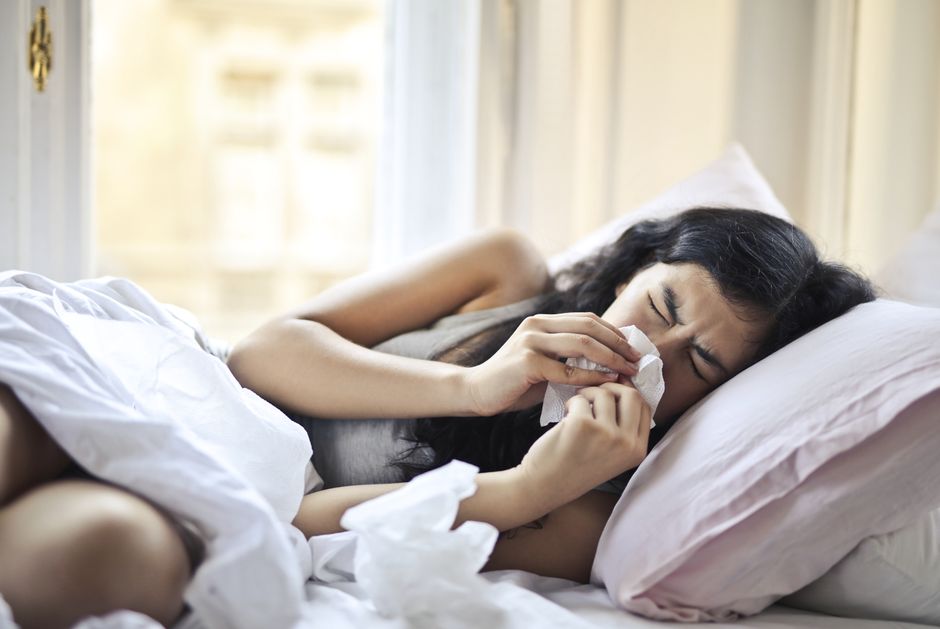
Sneezing is a reflex your body uses to clear irritants from your nose. But when you are asleep, that reflex is mostly switched off. Most people do not sneeze during deep sleep, though you might sneeze as you are falling asleep or right as you are waking up. The reason comes down to how your brain and nervous system change during the sleep cycle.
Why Don’t You Sneeze During Deep Sleep?
During deep sleep, your body enters a state of reduced responsiveness. Your muscles relax, your breathing slows, and many reflexes become less active. The sneeze reflex depends on a chain of signals: an irritant touches the lining of your nose, a nerve sends a message to your brain, and your brain triggers a forceful burst of air.
In deep sleep, that chain is interrupted. The brain is less attentive to sensory input from the nose. Research consistently shows that the reflex pathways are suppressed during certain sleep stages, especially REM sleep and deep non-REM sleep. This is a protective mechanism. It keeps you from waking up every time a dust particle drifts past your face.
This suppression is not absolute. A strong enough irritant can still trigger a sneeze, and it will likely wake you up. But for everyday triggers like mild dust or a tickle, the reflex stays quiet until you are conscious again.
What Causes Sneezing When You Wake Up?
Morning sneezing is common and has a clear explanation. When you wake, your nervous system becomes alert again. The sneeze reflex returns to full strength. If you have been lying in bed with allergens like dust mites, pet dander, or pollen on your pillow, those particles have been sitting in your nose all night. The moment your reflex reactivates, your body clears them out.
This is often called morning sneezing or morning rhinitis. Some people also experience a sudden burst of sneezes when they step from a warm bed into cooler air. Temperature change is a known trigger for the nasal nerves. The effect is harmless but can be annoying.
Another factor is nasal congestion. Many people have mild congestion while lying flat. When you sit up or stand, blood flow shifts, and the nasal passages open. This change can stimulate the nerves and produce a sneeze or two.
Can You Sneeze While Falling Asleep?
Sneezing as you drift off is possible, and it can feel sudden and disruptive. As you transition from wakefulness to light sleep, your reflexes are still active. Your brain has not yet suppressed them. An irritant in your nose can still trigger a full sneeze.
Some people find that a sneeze right at the edge of sleep jolts them awake. This is not dangerous. It is simply a reflex firing at an inconvenient moment. The same applies to hypnic jerks, those sudden muscle twitches that happen as you fall asleep. Both are normal events tied to the transition between sleep stages.
If this happens often, it may be worth checking your bedroom environment. Dust, dry air, or an allergy trigger near your bed could be the cause. Reducing those irritants may help you fall asleep without interruption.




Why Do Some People Sneeze in Bright Light?
Some people sneeze when they first see bright light, especially sunlight. This is called the photic sneeze reflex, and it affects an estimated one in four people. It is a genetic trait, not a disorder. The reflex is thought to involve a crossover of nerve signals between the visual system and the nasal sensory system.
This reflex can be most noticeable in the morning. You open the curtains, the sun hits your eyes, and you sneeze. It is not related to sleep itself, but it can look like a morning sneeze. The two are easy to confuse.
If bright light triggers your sneezes, there is no treatment needed. It is harmless. Wearing sunglasses or gradually increasing light exposure can reduce the effect if it bothers you.
Does Sleep Apnea or Snoring Affect Sneezing?
Sleep apnea and snoring are breathing problems that happen during sleep. They do not directly cause sneezing. However, they can contribute to nasal irritation and congestion, which might make you sneeze when you wake up.
People with sleep apnea often breathe through their mouth at night. This dries out the nasal passages and throat. In the morning, the nasal lining can be irritated, and the first few breaths of alertness may trigger a sneeze. The same applies to heavy snorers.
Treating the underlying breathing issue, such as with a CPAP machine or positional therapy, may reduce morning nasal symptoms. But sneezing alone is not a sign of sleep apnea. If you have other symptoms like loud snoring, gasping during sleep, or daytime fatigue, talk to a doctor about a sleep evaluation.
Can Allergies Disrupt Your Sleep Without Waking You?
Allergies can disrupt sleep even if you do not sneeze during the night. Nasal congestion from allergies can make it harder to breathe. This can lead to lighter sleep, more awakenings, and less restorative rest. You might not remember waking, but your sleep quality can still suffer.
Allergic rhinitis, commonly called hay fever, is linked to poorer sleep quality in multiple studies. The congestion and inflammation do not need to trigger a sneeze to cause problems. They can simply make breathing less efficient, which fragments sleep.
If you suspect allergies are affecting your sleep, consider reducing allergens in the bedroom. Wash bedding in hot water weekly, use allergy-proof pillow and mattress covers, and keep pets out of the bedroom. Over-the-counter nasal saline rinses can also help clear irritants before bed.
What Can You Do About Nighttime Nasal Irritation?
If you wake up sneezing or congested, the first step is to identify the trigger. Common culprits include dust mites, pet dander, mold, and dry air. A bedroom with low humidity can dry out the nasal lining, making it more sensitive in the morning.
Using a humidifier in the bedroom can help if the air is dry. Keep humidity levels between 30 and 50 percent. Higher levels can encourage mold and dust mites, so do not overdo it.
Elevating your head slightly while sleeping can reduce nasal congestion. Using an extra pillow or a wedge can help drain the nasal passages and reduce morning stuffiness. This is a simple change with no side effects.
If sneezing and congestion persist, an allergist can help identify specific triggers. Allergy testing can pinpoint what is causing your symptoms. Treatment options include antihistamines, nasal steroid sprays, and allergy shots. These are prescription or over-the-counter options that a doctor can help you choose based on your specific situation.
When Should You See a Doctor?
Occasional sneezing in the morning is normal. But some symptoms deserve medical attention. If you wake up with severe congestion, facial pain, or headaches, you may have sinusitis. Sinusitis is an inflammation of the sinus cavities and often requires treatment.
If your nose bleeds frequently in the morning, or if you have chronic mouth breathing, talk to a doctor. These can be signs of structural issues or chronic inflammation that need evaluation.
Sudden changes in your sleep or breathing patterns should also be assessed. If you find yourself gasping for air, or if a partner notices you stop breathing during sleep, seek a professional evaluation. These are signs of possible sleep apnea, which is a serious condition that benefits from treatment.
Most sneezing is harmless and self-limited. But your body uses symptoms to communicate. Persistent or severe symptoms deserve a conversation with a healthcare provider.
Frequently Asked Questions
Is it normal to sneeze when you wake up?
Yes, morning sneezing is common and usually harmless. It happens because your sneeze reflex reactivates when you wake, clearing out irritants that collected in your nose overnight.
Can you sneeze during deep sleep?
No, sneezing during deep sleep is rare because your reflexes are suppressed. A strong irritant could still trigger one, but it would likely wake you up.
Why do I sneeze more in the morning than at night?
You sneeze more in the morning because your nervous system becomes alert and your reflex returns to full strength. Allergens like dust mites on your pillow can also trigger a burst of sneezes when you wake.
Does sneezing mean you have a cold or allergies?
Not necessarily. Sneezing can be caused by many things, including temperature changes, bright light, dust, and dry air. If you have other symptoms like a runny nose, itchy eyes, or congestion that lasts, allergies or a cold may be the cause.
