
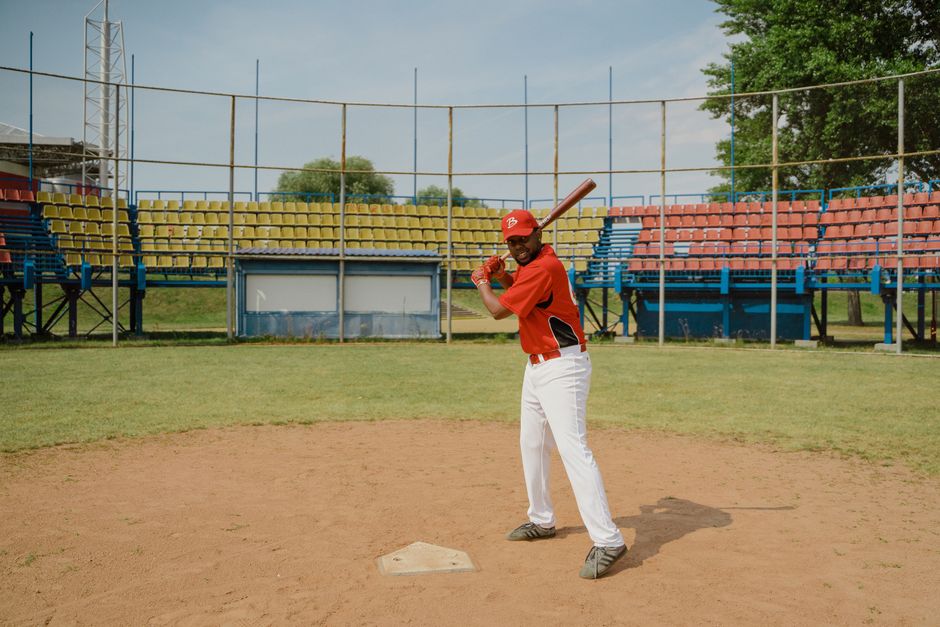
Dragging a baseball field correctly is about creating a smooth, consistent surface that plays true. The most effective patterns are the “straight line,” the “circular,” and the “diagonal,” each chosen based on your infield dirt mix and moisture level. The goal is always the same: eliminate low spots, break up hard clods, and leave a firm, level playing surface that drains well and gives players reliable footing.
Why Do Baseball Field Patterns Matter?
Patterns are not just for looks, although a clean pattern does give a professional appearance. The real reason for dragging in a specific pattern is to manage the soil. Dragging in the same direction every time pushes dirt to the same place, creating ruts and uneven surfaces. Changing the pattern distributes the soil evenly across the infield, fixing minor imperfections and keeping the surface level.
A good pattern also helps with moisture management. Dragging opens up the top layer of soil, allowing water to evaporate more quickly after a rain. This is critical for getting a field playable faster. The pattern you choose directly affects how the infield dirt responds to weather and game play.
What Equipment Do You Need to Drag a Field?
You need the right tools to get a good result. The most common equipment is a box drag or a nail drag. A box drag is a heavy, rectangular steel frame that scrapes and levels the dirt. It is best for moving larger amounts of soil and fixing low spots. A nail drag is a frame with rows of long steel nails that break up clods and loosen the top layer of dirt.
Many grounds crews use a combination. They start with a box drag to level the field, then finish with a nail drag to smooth the surface and create the final pattern. The drag is pulled behind a tractor or a utility vehicle. The speed of the vehicle matters. Too fast, and the drag will bounce, leaving an uneven surface. A slow, steady pace is always better.
How To Drag A Baseball Field Patterns That Work
The three main patterns that work are the straight line, the circular, and the diagonal. Each has a specific purpose and a specific time when it is most useful.
The Straight Line Pattern is the most basic and effective for leveling. You drag in parallel lines from one side of the infield to the other, overlapping each pass slightly. This pattern is best for moving dirt to fill low spots. It is the pattern to use when the field needs significant leveling work at the start of the week.
The Circular Pattern is used for game-day preparation. You start at the edge of the infield dirt and work your way toward the center in a spiral. This pattern pushes dirt evenly in all directions and creates a smooth, consistent surface. It is the standard for a final pre-game drag because it does not create directional ruts.
The Diagonal Pattern is a variation used to break up hard soil and mix the top layer. You drag at a 45-degree angle across the field, alternating directions with each pass. This pattern is effective for incorporating water and moisture into the dirt after a rain and for breaking up crusty surfaces.





When Should You Drag the Infield?
Timing is just as important as the pattern. Dragging a field that is too wet will create mud and cause the dirt to clump. Dragging a field that is too dry will create dust and fail to break up hard clods. The ideal time is when the dirt is slightly moist but not sticky. You should be able to squeeze a handful of dirt into a ball, and it should crumble easily when you drop it.
For a game-day drag, the field should be dragged about two to three hours before the first pitch. This gives the dirt time to settle and firm up. Dragging right before the game leaves the dirt too loose, which can cause bad hops and slow ground balls. For routine maintenance, dragging once or twice a week is standard to keep the surface level and healthy.
How Do You Fix Low Spots and High Spots?
No amount of pattern dragging will fix a field that has significant elevation issues. If you have a low spot near second base, dragging in a pattern will just move dirt around it. You need to address the spot directly.
To fill a low spot, you must add new infield dirt mix. Spread the dirt into the low area, then use a box drag to level it out. You will need to water the new dirt and let it settle before game day. This is a repair job, not a maintenance job. High spots are fixed by removing the excess dirt with a shovel or rake and redistributing it to lower areas.
It is important to understand that the infield dirt is not just plain dirt. It is a specific mix of sand, silt, and clay. Adding the wrong type of dirt can ruin the playing surface. Always use a proper infield conditioner mix when filling low spots.
How Much Water Does the Infield Need?
Watering is part of the dragging process. You cannot drag a dry field effectively. The goal is to keep the infield dirt at the correct moisture level. This usually requires watering the field the night before a game or early in the morning.
Water deeply but infrequently. A deep watering encourages the moisture to soak into the soil, creating a firm base. Frequent light watering only wets the surface, which creates dust and a hard, brittle crust. After watering, wait for the surface to dry slightly before dragging. The dirt should be moist to a depth of several inches, not just wet on top.
Common Mistakes to Avoid When Dragging
One of the most common mistakes is dragging too fast. Speed creates a rough, washboard effect on the surface. Always drag at a slow, steady speed.
Another mistake is dragging the field when it is too wet. This causes the dirt to compact and form hard clumps when it dries. It also seals the surface, preventing water from draining properly. If you see standing water or mud sticking to your shoes, the field is too wet to drag.
A final mistake is neglecting the edges and transitions. The lip where the grass meets the dirt needs special attention. Dirt can build up here and create a dangerous lip that can catch a player’s cleat. Use a rake or an edging tool to keep this transition smooth and level.
What Is the Difference Between Raking and Dragging?
Raking and dragging are related but serve different purposes. Raking is a manual process done by hand with a rake. It is used for fine-tuning small areas, like around the bases and home plate. Raking is precise and is often done during the game to maintain the surface.
Dragging is a mechanical process that covers the entire infield. It is used for the main leveling and smoothing work. You cannot maintain a full field with a rake alone. You need a drag. Most grounds crews use a combination, dragging the whole field and then raking the high-traffic areas like the base paths and the pitcher’s mound.
How Do You Maintain the Pattern During a Game?
During a game, the pattern will be destroyed by play. The base paths will get torn up, and the dirt will be kicked around. The umpire or grounds crew will use a rake to maintain the surface between innings.
Raking during the game is quick and targeted. You rake the base paths, the pitcher’s mound, and the batter’s box to smooth out cleat marks and divots. You do not drag the whole field during a game. That would take too long and disrupt the flow of play. The full-field drag with a pattern is reserved for pre-game preparation and post-game maintenance.
Post-game dragging is important for the health of the field. It repairs the damage from the game and sets the field up for the next use. Many crews do a leveling drag after the game, then water the field overnight, and finish with a game-day pattern drag the next afternoon.
Frequently Asked Questions
How often should I drag a baseball infield?
For routine maintenance, drag the infield once or twice a week to keep it level. For game days, do a final pattern drag two to three hours before the first pitch.
Should I water the field before or after dragging?
Water the field the night before or early in the morning, then wait for the surface to dry slightly before dragging. The dirt should be moist but not wet or sticky.
What is the best pattern for a game-day drag?
The circular pattern is the best for game day because it pushes dirt evenly in all directions and creates a smooth, consistent surface. It avoids the directional ruts that straight-line dragging can create.
Can I drag a baseball field when it is raining?
No, you should never drag a field when it is raining or when the dirt is saturated. Dragging wet dirt causes clumping and compaction, which ruins the surface and prevents proper drainage.
