
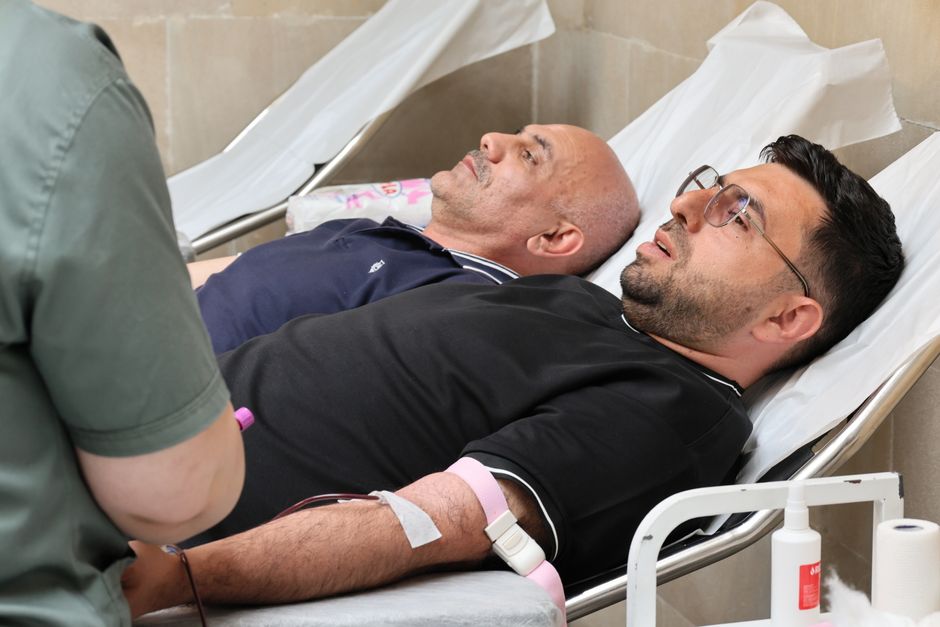
Donating platelets is a specific type of blood donation that helps people with cancer, trauma, and serious blood disorders. The process takes longer than a regular blood donation, usually 90 to 120 minutes, because a machine collects only your platelets and returns the rest of your blood to you. To be eligible, you generally need to be at least 17 years old, weigh at least 110 pounds, and be in good health on the day of donation. You can donate platelets more frequently than whole blood, often every 7 to 14 days, up to 24 times per year.
How Is Platelet Donation Different From Whole Blood Donation?
When you donate whole blood, a needle draws about a pint of blood into a bag. That donation contains red cells, plasma, and platelets all mixed together. A platelet donation uses a process called apheresis. A machine draws your blood, spins it to separate the platelets, collects them, and returns the remaining blood components to your body through the same needle.
Because the machine returns your red cells and plasma, you can donate platelets much more often than whole blood. Whole blood donors must wait 56 days between donations. Platelet donors can often donate every 7 days, though many centers recommend a 14-day interval. This frequency matters because platelets have a short shelf life of only 5 to 7 days, so hospitals need a steady supply.
Who Is Eligible To Donate Platelets?
Basic eligibility requirements are similar to whole blood donation. You must be at least 17 years old in most states, though some states allow 16-year-olds with parental consent. You must weigh at least 110 pounds. You must feel well and be free of cold, flu, or infection symptoms on donation day.
Some additional requirements apply specifically to platelet donation. Your platelet count must be high enough, typically at least 150,000 platelets per microliter of blood. The blood center will test your blood before you donate to confirm this. You also need good vein access in your arms, since the apheresis process requires blood to flow steadily for over an hour.
Certain medications can affect platelet function and may disqualify you temporarily. Aspirin and other drugs containing salicylates must be stopped 48 hours before donation because they make platelets less effective. Blood thinners like warfarin, apixaban, or rivaroxaban require longer waiting periods, often several days. Always tell the blood center about every medication you take, including over-the-counter drugs and supplements.
Medical conditions are reviewed case by case. Some conditions like cancer, heart disease, or bleeding disorders may permanently disqualify you. Other conditions like well-controlled diabetes or high blood pressure may be acceptable. The screening questionnaire and a staff member will review your history before every donation.
How Do I Prepare For A Platelet Donation?
Preparation starts the day before your appointment. Eat a full meal within 2 to 3 hours before donating, but avoid fatty foods. High-fat meals can make your plasma appear milky, which may interfere with the collection process. Good options include lean proteins, whole grains, fruits, and vegetables.
Hydration is important. Drink extra fluids, especially water, in the 24 hours before your appointment. Being well hydrated makes your veins easier to find and helps the apheresis machine run smoothly. Avoid alcohol for at least 24 hours before donation.
Get a good night’s sleep the night before. Fatigue can make the donation process harder on your body. Wear comfortable clothing with sleeves that can be rolled up easily above the elbow. Bring something to occupy yourself during the donation, like a book, headphones, or your phone, since you will be seated for 1 to 2 hours.
Do not take aspirin or products containing aspirin for 48 hours before donation. Check labels on pain relievers, cold medicines, and supplements. Many combination products contain aspirin or other anti-inflammatory drugs that affect platelets. If you are unsure whether a medication is allowed, call the blood center ahead of time.





What Happens During The Platelet Donation Process?
When you arrive, you will check in and complete a health history questionnaire. A staff member will check your temperature, blood pressure, pulse, and hemoglobin level. They will also test a small sample of your blood to confirm your platelet count is adequate.
Once you are cleared, you will sit in a reclining chair. A staff member will clean your arm with antiseptic and insert a needle into a vein, usually in the crook of your elbow. The needle stays in place for the entire donation. Some centers use a single needle for both drawing and returning blood. Others use one needle in each arm.
The apheresis machine draws blood into a sterile kit, spins it in a centrifuge, and collects the platelets. The remaining blood components are returned to you through the same needle. The machine cycles through this process several times over the course of the donation. You may feel a slight tingling sensation around your mouth or lips during the return phase. This comes from the anticoagulant used to prevent clotting. Tell a staff member if you feel tingling, and they can adjust the machine or give you a calcium supplement to relieve it.
Most platelet donations collect 1 to 3 units of platelets, which is enough for 1 to 3 patient transfusions. The entire process takes about 90 to 120 minutes from start to finish, including check-in and screening.
What Should I Do After Donating Platelets?
After the needle is removed, you will be asked to rest in the donation area for 10 to 15 minutes. Staff will give you a snack and fluids. Do not lift heavy objects or do strenuous exercise for the rest of the day. The needle site may be sore or bruised for a few days.
Drink extra fluids for the next 24 hours. Your body will replace the plasma volume quickly, but platelets take a few days to fully replenish. Most people feel completely normal within a few hours of donating.
If you feel dizzy or lightheaded after donation, sit down and rest until it passes. Serious complications from platelet donation are rare. The sterile disposable kit used for each donation eliminates any risk of infection from other donors. The main risks are bruising at the needle site, feeling faint, and the temporary tingling from the anticoagulant.
How Often Can I Donate Platelets?
The Food and Drug Administration sets the maximum frequency for platelet donation at once every 7 days, with no more than 24 donations in a 12-month period. Many blood centers choose to be more conservative and require a 14-day gap between donations. This extra time allows your platelet count to fully recover.
Your body produces platelets constantly in your bone marrow. A single platelet donation removes about 3 trillion platelets, but your body replaces them within a few days. The 7-day minimum is based on the time needed for your platelet count to return to a safe level, not on any long-term health risk.
Regular platelet donors are not at higher risk of health problems than non-donors. The body easily keeps up with the demand. However, your platelet count will be checked before each donation, and if it has not recovered sufficiently, you will be asked to wait longer between donations.
Frequently Asked Questions
How long does a platelet donation take?
The entire appointment takes about 90 to 120 minutes, with the actual collection taking 60 to 90 minutes.
Can I donate platelets if I take aspirin?
No, you must stop aspirin and aspirin-containing products for 48 hours before donating platelets because aspirin affects platelet function.
Does platelet donation hurt?
You will feel a brief pinch when the needle is inserted, but the donation itself is not painful; some people feel a mild tingling sensation that staff can help relieve.
How many times can I donate platelets in a year?
You can donate up to 24 times per year, with a minimum of 7 days between donations.
