
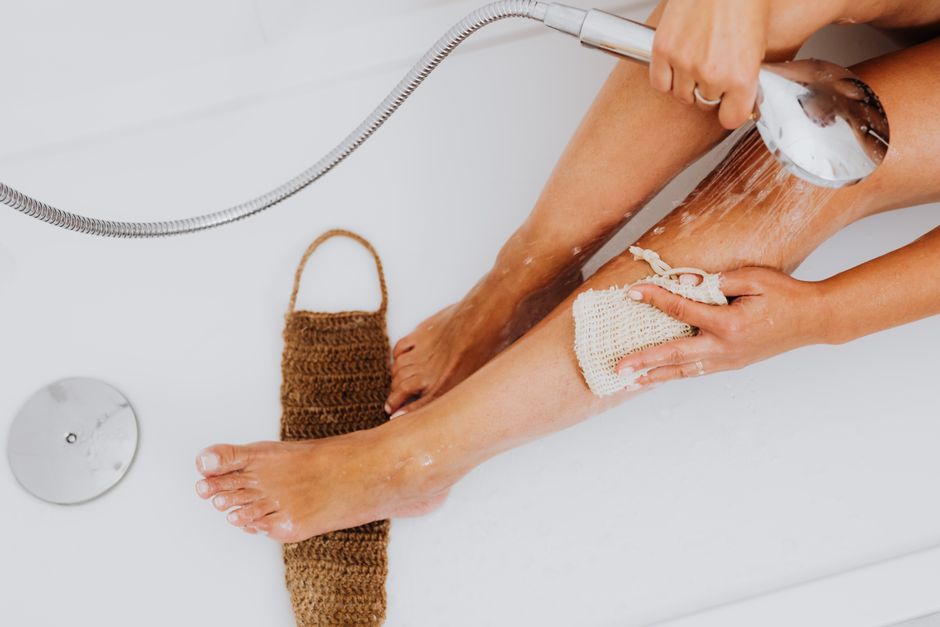
Showering in a bathtub is a practical option when a stand-up shower isn’t available, but it comes with specific safety challenges. The basic method involves sitting down in the tub, using a handheld showerhead or faucet to wet and rinse, and taking extra care when getting in and out. This guide covers the step-by-step process and the safety measures that matter most for adults of all ages.
What Is The Safest Way To Shower In A Bathtub?
The safest method is to sit down before turning on the water. Standing in a bathtub to shower is risky because tub surfaces are slippery when wet, and there is little to hold onto.
You should sit on a non-slip bath mat or a shower bench placed inside the tub. If you use a handheld showerhead, you can control where the water goes while seated. If your tub only has a faucet, fill a few inches of water first, then use a cup or plastic pitcher to rinse.
Never stand to wash your legs or feet. Wash them while seated, lifting one leg at a time. This single habit prevents most bathtub falls.
How To Shower In A Bathtub Steps And Safety Tips
Follow these steps in order. Each one builds on the last to keep you stable and safe.
Step 1: Gather everything you need first. Place soap, shampoo, a washcloth, and a towel within arm’s reach of the tub. Reaching for items mid-shower is a common cause of slips.
Step 2: Place a non-slip mat inside the tub. The mat should cover the area where you will sit. Also place a towel or mat on the floor right outside the tub so the exit path is dry.
Step 3: Sit down on the mat or bench. Enter the tub by holding the edge or a grab bar, then lower yourself down slowly. Do not step in and then sit. Sit first, then swing your legs in.
Step 4: Turn on the water and adjust the temperature. Check the water temperature with your hand or elbow before letting it touch your body. Set the temperature before you get wet so you do not need to adjust it while sitting in the tub.
Step 5: Wet your body with the handheld showerhead. If you do not have one, fill the tub with a few inches of warm water and use a cup to pour water over yourself.
Step 6: Wash while seated. Apply soap with a washcloth or long-handled sponge. This reduces bending and reaching, both of which shift your center of gravity.
Step 7: Rinse thoroughly. Use the handheld showerhead or pour clean water from a cup. Make sure no soap remains on your skin, as soap residue increases slipperiness.
Step 8: Drain the tub before standing. Wait until all the water has drained before you attempt to get up. Standing in shallow water is safer than standing in deep water, but draining first is best.
Step 9: Stand up using support. Hold the grab bar or the edge of the tub with both hands. Stand slowly. If you feel dizzy, sit back down and wait.
Step 10: Dry off while sitting. Towel dry your upper body first, then your legs. Step out of the tub only when you are fully dry and stable.
What Safety Equipment Reduces Bathtub Shower Risks?
Several products can make bathtub showers significantly safer. Some are inexpensive and easy to install.
- Grab bars: These are the most important addition. Install one on the wall for entering and exiting, and one on the wall you face while seated. Suction-cup bars are not reliable. Use bars that screw into wall studs.
- Non-slip mats: Choose mats with strong suction cups on the bottom. Replace them when the suction cups wear out, usually after a year or two.
- Handheld showerhead: This allows you to rinse while seated without standing or twisting. Many models attach to an existing shower arm.
- Shower bench or transfer bench: A shower bench fits inside the tub. A transfer bench has legs that extend outside the tub, so you sit on it outside and slide over into the tub. Transfer benches are useful for people with limited balance.
- Long-handled sponge or brush: This reduces reaching and bending while washing your back, legs, and feet.





Who Should Avoid Standing In A Bathtub To Shower?
Anyone with balance problems, weakness, or a history of falls should not stand in a bathtub to shower. This includes older adults and people recovering from surgery or illness.
People with conditions that cause dizziness, such as low blood pressure or inner ear disorders, should also shower while seated. The combination of warm water and standing can trigger lightheadedness.
Pregnant women in the later stages of pregnancy have a shifted center of gravity. This makes standing in a slippery tub more hazardous. Sitting is the safer option.
If you have significant mobility limitations, consider whether a bathtub shower is the right choice at all. A sponge bath at the sink or a shower chair with a caregiver may be safer alternatives. Discuss your specific situation with your doctor or an occupational therapist.
How Is Showering In A Bathtub Different From A Stand-Up Shower?
A stand-up shower is designed for showering while standing. The floor has drainage, the walls are waterproof, and there is typically a showerhead mounted at standing height.
A bathtub is not designed for standing. The surface is curved, the bottom is often more slippery than a shower floor, and the walls are lower. The step-over height of the tub edge also creates a trip hazard.
Showering in a bathtub requires you to adapt. You must sit, use different equipment, and pay more attention to how you move. The water temperature can also be harder to regulate because the faucet is low and close to you.
One advantage of a bathtub is that you can combine showering with soaking. However, for routine hygiene, a seated shower in a tub is a workaround, not an ideal setup.
What Temperature Should Bathtub Shower Water Be?
Warm water is best for showering. Water that is too hot can dry out your skin and cause dizziness from blood vessel dilation.
A comfortable shower temperature is generally between 98°F and 104°F (37°C to 40°C). Test the water with your wrist or elbow before full contact. Your hands are less sensitive to heat than other body parts.
Hot water above 120°F (49°C) can cause burns, especially for older adults with reduced skin sensitivity. If your home’s water heater is set very high, consider lowering it. Many safety organizations recommend setting water heaters to 120°F or below to prevent scalding.
When Should You Not Shower In A Bathtub?
Some situations make bathtub showering unsafe regardless of precautions.
Do not shower in a bathtub if you are alone and have a condition that could cause sudden loss of consciousness, such as uncontrolled seizures or severe heart rhythm problems. A fall in a tub while unconscious can be fatal.
Avoid showering in a bathtub if you have open wounds, recent surgical incisions, or skin infections. Bathtub surfaces harbor bacteria even when cleaned regularly. Standing water in a tub also increases infection risk compared to a running shower.
If you are caring for someone else who needs help bathing, do not attempt to lift or transfer them into a tub by yourself. This can injure both of you. Use a transfer bench or seek help from a professional caregiver.
Frequently Asked Questions
Is it safe to stand in a bathtub to shower?
No, standing in a bathtub to shower is unsafe because tub surfaces are slippery and offer little support. Sitting down in the tub is the safer method, especially for older adults or anyone with balance concerns.
What do I need to shower in a bathtub safely?
You need a non-slip bath mat, a grab bar or sturdy support, and ideally a handheld showerhead. A shower bench and long-handled sponge are helpful additions that reduce reaching and bending.
Can I use a regular showerhead in a bathtub?
Yes, if your bathtub has a showerhead attached, you can use it while seated. If your tub only has a faucet, you can fill a few inches of water and rinse with a cup or plastic pitcher.
How do I get out of a bathtub safely after showering?
Drain all the water first, dry off while sitting, then stand using a grab bar or the tub edge for support. Step out slowly and carefully, keeping your weight on your stronger leg.
