

Hair growth happens in cycles, not on demand. Each strand follows its own schedule of growth, rest, and shedding. You cannot force hair to grow faster than your genetics allow, but you can create the best possible conditions for healthy growth.
The step-by-step process for hair growth starts with scalp health. Cleanse regularly but not too often. Eat enough protein and iron. Protect hair from heat and mechanical damage. Be patient — visible results take at least three to six months. No product, pill, or treatment can change your hair’s maximum growth rate of about half an inch per month.
What Actually Controls Hair Growth Rate?
Your hair grows from follicles in your scalp. Each follicle operates on its own cycle. The growth phase, called anagen, lasts two to seven years for scalp hair. The longer this phase lasts, the longer your hair can grow.
Genetics set the timer on your anagen phase. Some people naturally have a short growth phase, which means their hair never grows past a certain length. Others have a long phase and can grow hair past their waist. You cannot change your genetic programming.
Hormones also play a major role. Thyroid hormones, sex hormones, and stress hormones all influence follicle activity. When these are out of balance, hair growth slows or stops. The Cleveland Clinic notes that thyroid disorders are a common cause of diffuse hair thinning.
Age matters too. Hair growth slows as you get older. The anagen phase shortens. Follicles produce thinner, shorter hairs. This is normal, not a sign of disease.
Does Nutrition Really Make a Difference for Hair Growth?
Yes, but only if you are deficient in something. If your diet already provides enough nutrients, adding more will not speed up growth. The body prioritizes essential organs over hair. When nutrients run low, hair is the first thing to suffer.
Protein is the building block of hair. Hair is mostly keratin, a protein. Studies have found that low protein intake can trigger hair shedding. The recommended daily intake is about 0.8 grams per kilogram of body weight. Most Americans get enough, but restrictive diets can fall short.
Iron is critical. Low iron stores are linked to hair thinning, especially in women. The American Academy of Dermatology recommends checking ferritin levels if you have unexplained hair loss. Ferritin below 30 ng/mL is considered deficient. Some experts suggest levels above 70 ng/mL for optimal hair growth.
Biotin is widely promoted for hair growth, but the evidence is weak. Biotin deficiency is rare. Unless you eat raw egg whites regularly or have a genetic condition, you probably do not need a biotin supplement. Excess biotin is excreted in urine. It will not hurt you, but it will not help either.
| Nutrient | What It Does for Hair | Good Food Sources |
|---|---|---|
| Protein | Builds keratin structure | Eggs, chicken, fish, beans |
| Iron | Supports red blood cells that carry oxygen to follicles | Spinach, red meat, lentils |
| Zinc | Helps follicle repair and growth | Oysters, beef, pumpkin seeds |
| Vitamin D | Linked to new follicle formation | Fatty fish, egg yolks, sunlight |
| Omega-3s | Supports scalp oil production | Salmon, walnuts, flaxseeds |
What Hair Care Practices Actually Support Growth?
Scalp care matters more than most people realize. Hair grows from the scalp. If the scalp is inflamed, clogged, or dry, follicles cannot function well. Wash your scalp regularly with a gentle shampoo. How often depends on your oil production. Some people need daily washing. Others can go three to four days.
Massage may help. A small 2016 study in Japan found that four minutes of daily scalp massage increased hair thickness after 24 weeks. The mechanism is not fully understood, but increased blood flow and reduced stress are likely factors. It is harmless and free, so there is no reason not to try it.
Minimize heat styling. High heat damages the protein structure of hair. This does not stop growth at the root, but it causes breakage at the ends. Broken hair looks thinner and shorter. If you use heat, keep the temperature below 350 degrees Fahrenheit and always use a protectant spray.
Avoid tight hairstyles. Ponytails, braids, and buns that pull on the scalp cause traction alopecia. This is a form of hair loss from repeated tension. It is completely preventable. Wear styles loose and change them often.


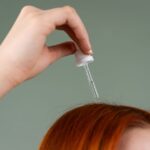
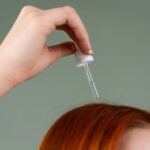

What About Supplements and Topical Treatments for Hair Growth?
Minoxidil, sold as Rogaine, is the only over-the-counter treatment with strong evidence for hair regrowth. Research published in the Journal of the American Academy of Dermatology confirms that minoxidil extends the growth phase of hair follicles. It works best for people with genetic hair loss. Results take four to six months to appear. It must be used continuously. Stopping causes regrown hair to shed within a few months.
Finasteride, sold as Propecia, is a prescription medication for male pattern baldness. It blocks the conversion of testosterone to DHT, the hormone that shrinks follicles. Studies show it stops hair loss in most men and causes regrowth in some. Side effects include decreased libido and erectile dysfunction in a small percentage of users. These can persist after stopping the drug.
Low-level laser therapy devices, like laser caps and combs, have mixed evidence. Some studies show modest improvements in hair density. Others show no benefit over placebo. The FDA has cleared these devices as safe, but clearance does not mean they are effective. If you have the money and want to try, the risk is low. Just do not expect dramatic results.
- Minoxidil: Works for genetic hair loss. Must use daily. Results in 4-6 months.
- Finasteride: Prescription only. Blocks DHT. Side effects possible.
- Laser therapy: Limited evidence. Safe but expensive. Results vary.
- Biotin supplements: No strong evidence unless deficient.
- Collagen supplements: Early research, not conclusive for hair.
What Are the Common Myths About Hair Growth?
Cutting your hair does not make it grow faster. Hair grows from the root, not the ends. Trimming removes split ends and makes hair look healthier, but it has no effect on the follicle. Growth rate stays the same.
Shaving your head does not make hair grow back thicker. This is a persistent myth. Shaving cuts hair at the surface. The blunt tip feels coarser as it grows back, but the thickness and color are unchanged. A study published in the Journal of Investigative Dermatology confirmed that shaving has no effect on hair growth or texture.
Rice water is not a proven hair growth treatment. This trend comes from cultural practices and anecdotal reports. No controlled studies have shown that rice water increases hair growth rate or prevents hair loss. It may improve shine and smoothness due to amino acids, but that is cosmetic, not growth-related.
Vitamin supplements will not fix hair loss caused by hormones or genetics. Many people take expensive hair supplements hoping for regrowth. If your blood work is normal, these supplements are unlikely to help. A 2019 review in Dermatology and Therapy found that most hair supplements lack adequate clinical evidence.
How To Do Hair Grow? Step by Step
Start with a doctor visit if you notice sudden or patchy hair loss. This could signal an underlying health issue like thyroid disease, autoimmune disorder, or nutrient deficiency. Blood tests can identify the cause. Treating the root problem is the only way to stop the loss.
Eat a balanced diet with adequate protein, iron, and zinc. You do not need a special diet. Just make sure you are not restricting major food groups. If you are vegetarian or vegan, pay extra attention to iron and protein intake.
Wash your scalp regularly with a mild shampoo. Remove buildup without stripping natural oils. Follow with conditioner on your ends only. Be gentle when towel drying. Rubbing causes breakage. Pat or squeeze instead.
Use a wide-tooth comb on wet hair. Wet hair is weaker and more prone to breakage. Start at the ends and work up to the roots. Never yank through tangles. Detangling sprays with silicone can reduce friction.
Protect your hair while sleeping. Cotton pillowcases absorb moisture and cause friction. Silk or satin pillowcases reduce breakage. A loose braid or bun prevents tangling overnight.
Be consistent for at least six months before judging results. Hair growth is slow. You cannot see changes in a week or a month. Take a photo at the start and compare at three-month intervals. If nothing changes after six months of good habits, consider seeing a dermatologist.
Frequently Asked Questions
Can hair grow faster than half an inch per month?
No. Half an inch per month is the maximum average growth rate for scalp hair. No treatment or supplement can speed this up.
Does brushing your hair 100 times a day help it grow?
No. Excessive brushing causes breakage and scalp irritation. Gentle brushing to distribute oils is fine, but more is not better.
Can stress stop hair growth?
Yes. Severe stress can trigger telogen effluvium, a condition where hair shifts into the shedding phase. Hair usually grows back once stress is managed.
Does dandruff affect hair growth?
Severe dandruff with inflammation can disrupt the follicle cycle. Treating dandruff with medicated shampoo can improve scalp health and support normal growth.
