
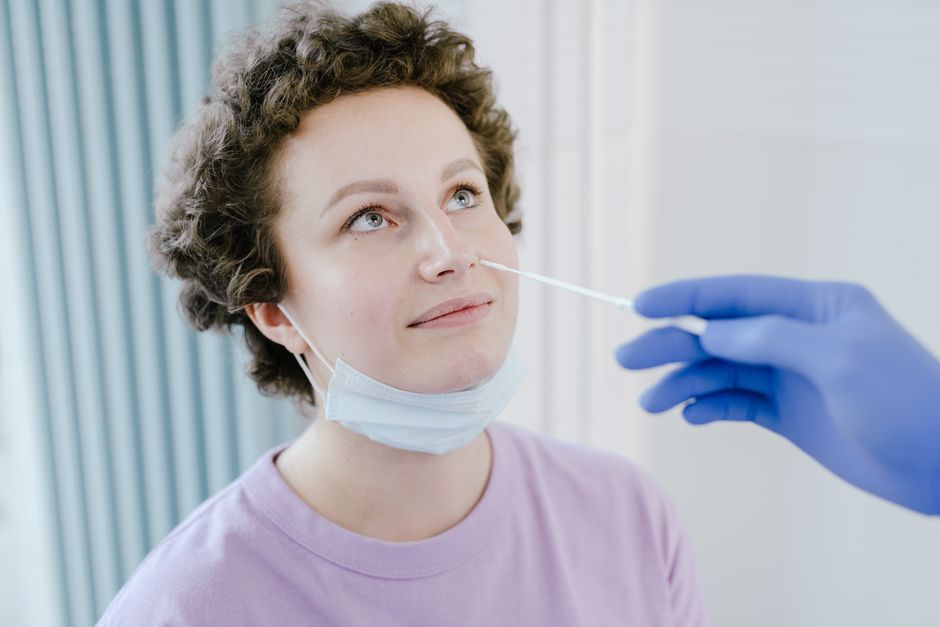
Performing a rectal swab is a straightforward medical procedure used to collect a sample from the rectum for testing. You will need a sterile swab kit, lubricant, and clean gloves. First, wash your hands and put on gloves. Gently insert the swab about one inch into the rectum, rotate it for 10-15 seconds, then carefully remove it and place it in the provided collection tube. That is the basic process. The rest of this article covers the details, reasons for testing, and what to expect.
Why Would Someone Need a Rectal Swab?
Rectal swabs are most commonly used to test for infections. The Centers for Disease Control and Prevention (CDC) recommends them for screening certain sexually transmitted infections (STIs), particularly in people who have receptive anal sex. This is because an infection may be present in the rectum without causing symptoms and may not show up on a urine or blood test.
Another common use is testing for antibiotic-resistant bacteria like MRSA or VRE. Hospitals often screen patients with a rectal swab upon admission to prevent the spread of these bacteria. The swab can also be used to diagnose bacterial infections causing diarrhea, such as shigella or campylobacter, when a stool sample is not available.
Some people report using rectal swabs for at-home health monitoring, like checking for blood or changes in gut bacteria. There is no clinical evidence that at-home monitoring with a rectal swab provides useful health information for the average person. If you are considering this, talk to a doctor first.
What You Need Before Starting
Having the right supplies ready makes the process smoother and reduces the chance of contamination. You will need a sterile swab kit from a medical supplier or your doctor. The kit typically contains a long, thin swab with a cotton or synthetic tip and a sterile collection tube with transport medium.
You will also need a pair of clean, disposable gloves. Water-based lubricant is helpful for comfort, especially if you are doing the swab on yourself. Many kits come with lubricant. If not, use a small amount of a plain, water-based lubricant. Do not use petroleum jelly or oil-based products as they can interfere with some tests.
Finally, have a clean, flat surface to work on. A countertop or table works well. Wash your hands thoroughly with soap and water for at least 20 seconds before you begin. If you are assisting someone else, wash your hands before and after putting on gloves.
How To Do A Rectal Swab Step By Step Instructions
Follow these steps carefully to get a good sample. A good sample is one that has enough cells or bacteria for the lab to test. An incorrect technique can lead to a false negative result, meaning the test misses an infection that is actually there.
Step 1: Prepare and Position
Open the swab kit and remove the swab. Do not touch the tip of the swab to anything. If you are doing the swab on yourself, lie on your side with your knees pulled toward your chest. If you are assisting someone, have them lie in the same position. This position relaxes the anal muscles and makes insertion easier.
Step 2: Lubricate
Apply a small amount of water-based lubricant to the tip of the swab. You can also apply lubricant to the anal opening. Do not use too much lubricant as it can dilute the sample.
Step 3: Insert the Swab
Gently separate the buttocks with one hand. With the other hand, insert the swab into the rectum about one inch (2-3 centimeters). Do not force it. If you feel resistance, stop. You are likely hitting stool. Withdraw slightly and try again at a different angle. Forcing the swab can cause pain or injury.
Step 4: Rotate and Collect
Once the swab is inserted, gently rotate it for 10 to 15 seconds. This allows the swab to absorb cells and fluid from the rectal wall. Some people feel a mild urge to have a bowel movement during this step. That is normal. Do not pull the swab out early.
Step 5: Remove and Store
Carefully withdraw the swab. Place it directly into the collection tube. Break the swab shaft at the scored line if your kit requires it, then seal the tube tightly. Label the tube with your name, date, and time if you are not sending it to the lab immediately.



What to Avoid During the Procedure
Several common mistakes can ruin a sample or cause discomfort. Avoid touching the swab tip to your skin, clothing, or any surface before or after insertion. Contamination can introduce bacteria that are not actually in your rectum, leading to a false positive result.
Do not use soap, alcohol wipes, or enemas before collecting the swab. These can kill bacteria or wash away cells, making the sample useless. The same goes for having a bowel movement immediately before the swab. If you can, wait at least an hour after a bowel movement to collect the sample.
Avoid inserting the swab too deeply. More than one inch is not necessary and increases the risk of injuring the delicate lining of the rectum. If the swab comes out with visible stool on it, the sample is not ideal. Some stool on the tip is normal, but a large amount means the swab did not touch the rectal wall properly. In that case, use a new swab and try again.
Common Misconceptions About Rectal Swabs
One widespread myth is that a rectal swab is extremely painful. Most people describe it as mildly uncomfortable or feeling like a strong need to pass gas. The discomfort usually lasts only a few seconds. Using lubricant and staying relaxed significantly reduces any pain.
Another misconception is that you can use a cotton swab from your bathroom cabinet. This is not true. Household cotton swabs are not sterile and do not have the correct tip design for collecting a good sample. They can also leave fibers behind. Always use the swab from a sterile medical kit.
Some people believe that a negative rectal swab means they have no infection in the rectal area. This is not always accurate. Research published in journals like Sexually Transmitted Diseases shows that swab technique matters. If the swab did not collect enough cells, the test can miss a real infection. If your symptoms continue despite a negative test, talk to your doctor about repeating the swab or using a different test method.
What Happens After the Swab Is Collected?
Once the swab is sealed in the tube, it needs to be transported to a lab as soon as possible. Many tests require the sample to be processed within 24 to 48 hours. Check the instructions that came with your kit. Some samples need to be refrigerated, while others can stay at room temperature.
The lab will analyze the sample depending on what they are testing for. For STI testing, they look for genetic material from bacteria like chlamydia or gonorrhea. For bacterial culture, they place the sample on a growth medium to see what bacteria grow. Results typically take 1 to 3 days for STI tests and 2 to 5 days for culture tests.
If you did the swab at home, follow the shipping instructions carefully. Many at-home STI test kits include a prepaid envelope and require you to mail the sample on the same day. If you had the swab done at a clinic, the staff will handle all of that for you. They will also call you with results or make them available through a patient portal.
Comparison of Rectal Swab vs. Other Sample Collection Methods
| Method | What It Detects | Accuracy for Rectal Infections | Comfort Level |
|---|---|---|---|
| Rectal Swab | Bacteria, viruses, cells from rectal wall | High when done correctly | Mild discomfort for seconds |
| Urine Test | Bacteria from urinary tract | Low for rectal infections | No discomfort |
| Blood Test | Antibodies or antigens in blood | Moderate for some infections | Brief needle stick |
| Stool Sample | Bacteria and parasites in stool | Variable for rectal wall infections | No discomfort |
This table shows why the rectal swab is the preferred method for detecting infections specifically in the rectal area. A urine test will miss a rectal chlamydia infection in most cases. The CDC states that extragenital testing, including rectal swabs, is essential for people at risk.
Frequently Asked Questions
Can I do a rectal swab on myself?
Yes, many at-home STI test kits are designed for self-collection. Follow the kit instructions exactly and use the positioning described in this article.
How far do I insert the swab?
Insert the swab only about one inch into the rectum. Going deeper is not necessary and increases the risk of injury.
Does a rectal swab hurt?
Most people feel mild pressure or a brief urge to have a bowel movement. Sharp pain is not normal and means you should stop and try again with more lubricant or less force.
What should I do if I see blood on the swab?
A tiny amount of blood can happen if the rectal lining is irritated. If there is more than a small streak, stop and contact your doctor. Do not send the sample.
