
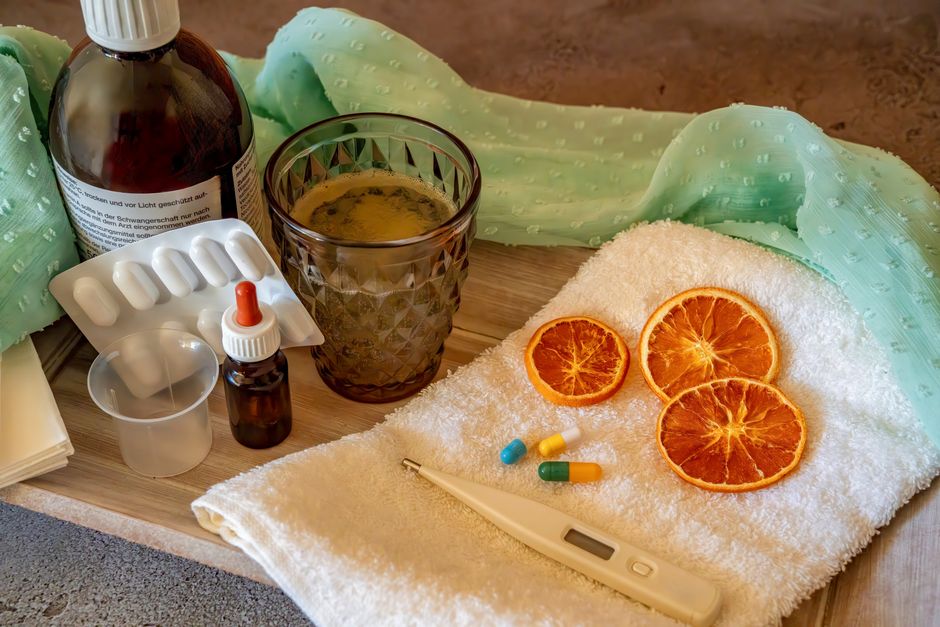
Strep throat is a bacterial infection that will not go away on its own. Antibiotics are the only cure, and they usually clear the infection within 24 to 48 hours of starting treatment. The medicine kills the bacteria, but it does not stop the pain immediately. You still need home care for symptom relief while the antibiotics do their job.
What Is Strep Throat and Why Does It Happen?
Strep throat is an infection caused by group A Streptococcus bacteria. It is different from a sore throat caused by a virus, which is far more common. Viral sore throats do not respond to antibiotics.
The bacteria spread through respiratory droplets. Coughing, sneezing, or sharing a drink can pass it to someone else. The infection settles in the throat and tonsils, causing inflammation, pain, and sometimes pus on the tonsils.
Strep throat mostly affects children between 5 and 15 years old, but adults can get it too. It is most common in late winter and early spring.
How Do You Know It Is Strep and Not a Virus?
Symptoms alone cannot always tell you the difference. A rapid strep test or throat culture is the only way to confirm the diagnosis. Doctors do not guess because treating a viral infection with antibiotics does nothing and contributes to antibiotic resistance.
Several signs point toward strep rather than a virus. Strep usually comes on suddenly with a severe sore throat and pain when swallowing. The tonsils may look red and swollen, sometimes with white patches or streaks of pus. Tiny red spots on the roof of the mouth can appear. The lymph nodes in the front of the neck may be tender and enlarged.
Fever is common, often above 101°F. Headache and stomach pain can occur, especially in children. A fine, sandpaper-like rash can develop in some cases, which is called scarlet fever.
Viral sore throats more often come with a cough, runny nose, hoarse voice, or conjunctivitis. If those symptoms are present, strep is less likely. No cough is one of the strongest clues that it might be strep.
How To Cure Strep Throat: The Antibiotic Treatment
Antibiotics are the only cure for strep throat. They kill the bacteria, shorten the illness, reduce the chance of complications, and make you less contagious. Penicillin or amoxicillin are the standard first-line treatments for most people.
For people allergic to penicillin, doctors usually prescribe a cephalosporin, clindamycin, or a macrolide like azithromycin. The choice depends on the allergy type and severity. Never take an antibiotic without a prescription.
Finish the entire course even if you feel better after two days. Stopping early can leave surviving bacteria behind. This raises the risk of the infection returning or spreading to others.
Most people feel significantly better within 48 hours of starting antibiotics. If there is no improvement after 48 hours of treatment, contact your doctor. The bacteria may be resistant to the antibiotic, or the diagnosis may be wrong.





How Long Are You Contagious?
Before antibiotics, you can spread strep to others easily. Once you start antibiotics, you are usually no longer contagious after 24 hours of treatment. Many doctors recommend staying home from work or school until you have taken antibiotics for a full day and your fever is gone.
Without antibiotics, you can remain contagious for two to three weeks. This is one of the main reasons treatment matters beyond personal comfort. Untreated strep puts the people around you at risk.
Wash your hands frequently during the illness. Do not share utensils, cups, or toothbrushes. Cover your mouth when coughing or sneezing, ideally with your elbow rather than your hand.
Home Care That Actually Helps the Pain
Antibiotics cure the infection, but they do not numb the throat. Pain relief requires separate measures while the medicine works.
Over-the-counter pain relievers like ibuprofen or acetaminophen reduce throat pain and fever. Follow the dosing instructions on the label or those from your doctor. Do not give aspirin to children or teenagers recovering from a viral or bacterial illness because of the risk of Reye’s syndrome, a rare but serious condition.
Warm salt water gargles can soothe the throat. Mix about half a teaspoon of salt in a glass of warm water and gargle several times a day. This does not kill the bacteria, but it can temporarily ease discomfort.
Cold foods and drinks can numb the pain. Ice cream, popsicles, cold water, or smoothies are good options. Warm liquids like tea with honey can also help. Honey should not be given to infants under one year old due to the risk of infant botulism.
Hard candies or throat lozenges can stimulate saliva production and keep the throat moist. Only give lozenges to children old enough to safely suck on them without choking, usually age four or older.
Humidifiers or steam from a hot shower can add moisture to the air. Dry air irritates an already inflamed throat. Staying hydrated is essential, as dehydration makes throat pain worse.
What To Avoid When You Have Strep Throat
Acidic foods and drinks can sting an inflamed throat. Citrus fruits, tomato products, and vinegar-based dressings may increase pain. Spicy foods can also aggravate the tissue.
Crunchy or rough foods like chips, toast, or raw vegetables can scratch the throat and worsen discomfort. Soft foods are easier to swallow. Soups, mashed potatoes, yogurt, applesauce, and scrambled eggs are gentler options.
Smoking and secondhand smoke irritate the throat and slow healing. Avoid smoke exposure entirely during recovery. Alcohol can also dry out the throat and interfere with rest.
Why Untreated Strep Throat Is Dangerous
Strep throat does not resolve on its own in most cases. Without antibiotics, the infection can persist for weeks and lead to complications. Some complications are local, meaning they stay in the throat area. Others affect the whole body.
Peritonsillar abscess is a collection of pus behind the tonsils. It causes severe throat pain, difficulty opening the mouth fully, a muffled voice, and sometimes trouble breathing. This condition requires drainage and intravenous antibiotics in a hospital.
Rheumatic fever is a serious complication that can damage the heart valves permanently. It develops two to four weeks after an untreated strep infection. It is rare in the United States but still occurs. Post-streptococcal glomerulonephritis is a kidney condition that can also follow untreated strep, though it does not damage the heart.
These complications are why doctors take strep throat seriously. Antibiotic treatment within the first nine days of symptoms essentially prevents rheumatic fever. Early treatment matters.
When To See a Doctor Immediately
Some symptoms require urgent medical attention. Difficulty breathing or swallowing your own saliva is an emergency. Drooling because you cannot swallow is another red flag. A muffled or “hot potato” voice can indicate an abscess.
A stiff neck with a high fever can suggest the infection has spread beyond the throat. Severe dehydration from inability to drink fluids also needs medical care. If symptoms get worse after 48 hours of antibiotics, call your doctor.
Do not wait to see if these symptoms improve on their own. Some complications progress quickly and are much harder to treat once established.
Can Strep Throat Come Back?
Yes, strep throat can recur. Some people get it multiple times in a year. This is more common in children and in people who live or work closely with children.
Recurrent strep can happen for several reasons. The first course of antibiotics may not have fully cleared the bacteria. A new exposure from a family member or close contact can cause reinfection. Some people carry the bacteria in their throat without symptoms and infect others repeatedly.
If strep returns frequently, a doctor may investigate whether someone in the household is a carrier. Treating carriers is sometimes necessary to break the cycle. In rare cases, a doctor may recommend tonsillectomy for severe recurrent strep, but this is not a routine decision.
Preventing Strep Throat From Spreading
Good hand hygiene is the most effective prevention. Wash hands with soap and water for at least 20 seconds, especially after coughing or sneezing. Alcohol-based hand sanitizer works when soap is not available.
Do not share personal items. Drinking glasses, eating utensils, toothbrushes, and lip balm can all carry the bacteria. Replace your toothbrush after you have been on antibiotics for 24 hours to avoid reinfection from the old brush.
Keep distance from infected people when possible. The bacteria spread through droplets, so close contact increases risk. If someone in your home has strep, clean frequently touched surfaces like doorknobs and light switches regularly.
Frequently Asked Questions
Can strep throat cure itself without antibiotics?
No, strep throat does not reliably clear on its own and can lead to serious complications like rheumatic fever. Antibiotics are the only treatment that reliably cures the infection.
How fast do antibiotics work for strep throat?
Most people feel significantly better within 48 hours of starting antibiotics. You are usually no longer contagious after 24 hours of treatment.
Is strep throat contagious after starting antibiotics?
You are generally not contagious after taking antibiotics for a full 24 hours. Stay home until that time has passed and your fever is gone.
Can I kiss someone with strep throat?
No, avoid kissing anyone with strep throat until they have completed at least 24 hours of antibiotics. The bacteria spread easily through saliva and respiratory droplets.
