
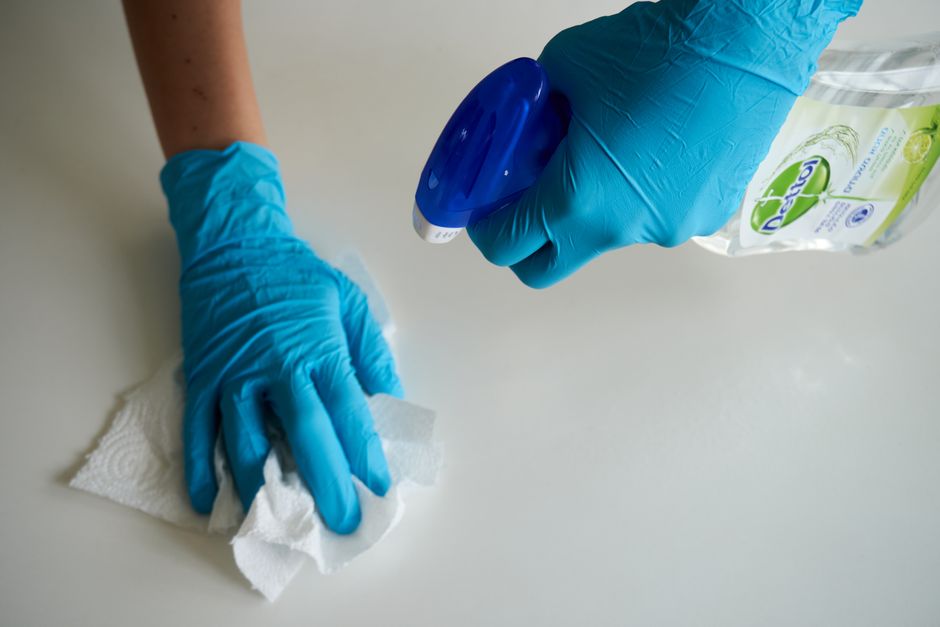
Disinfecting surfaces at home does not require a cabinet full of specialty products. The most effective approach combines a few proven chemicals, the correct contact time, and a simple cleaning routine. For most everyday situations, a standard household disinfectant or a properly diluted bleach solution will kill the germs that matter, provided you let the product sit on the surface long enough to work.
What Is the Difference Between Cleaning and Disinfecting?
Cleaning and disinfecting are not the same thing. Cleaning physically removes dirt, dust, and some germs from a surface using soap or detergent and water. Disinfecting uses chemicals to kill germs that remain after cleaning.
The order matters. A surface covered in food residue or grease can block disinfectants from reaching the germs underneath. You must clean first, then disinfect. Skipping the cleaning step is one of the most common mistakes people make at home.
In practical terms, wipe down the surface with soap and water first. Once it is visibly clean, apply your disinfectant and let it sit for the recommended time. This two-step process is the foundation of effective home disinfection.
Which Disinfectants Actually Kill Germs on Surfaces?
Several common household products are proven to kill bacteria and viruses on hard surfaces. The Environmental Protection Agency (EPA) maintains a list of disinfectants that meet its standards for effectiveness against specific pathogens. When you buy a product, check the label for an EPA registration number. This number means the manufacturer has submitted data showing the product works.
The most reliable options include:
- Diluted household bleach — Sodium hypochlorite is a powerful disinfectant. A common concentration is 1/3 cup of bleach per gallon of water, or about 4 teaspoons per quart. Always follow the label directions on your specific bleach bottle because concentrations vary.
- Isopropyl alcohol — Solutions of 70% alcohol are effective against many bacteria and viruses. Higher concentrations, like 91%, evaporate too quickly and may be less effective because they do not stay wet long enough.
- Hydrogen peroxide — A 3% solution, the kind sold in brown bottles for wound care, works as a surface disinfectant. It breaks down into water and oxygen and leaves no residue.
- EPA-registered commercial disinfectants — Products like those containing quaternary ammonium compounds, commonly called quats, are widely available as sprays and wipes. Look for the EPA registration number on the label.
Vinegar and essential oils are not reliable disinfectants. Some research shows vinegar has mild antibacterial properties, but it does not meet the standards required for disinfecting against common viruses and bacteria. Do not rely on these natural products when you need to kill germs.
How Long Should a Disinfectant Stay on the Surface?
Contact time, also called dwell time or wet time, is the amount of time a disinfectant must remain visibly wet on a surface to kill germs. This is one of the most overlooked details in home disinfection.
Different products have different contact times. Some kill germs in 30 seconds. Others need 5 or 10 minutes. The label tells you the exact time. If you spray a surface and immediately wipe it dry, you have not given the product time to work.
For bleach solutions, the general guidance is to keep the surface wet for at least 1 minute for most germs, but some pathogens require longer. Follow the specific instructions on your product label. When in doubt, leave the solution on longer rather than shorter.
If the surface dries before the contact time is up, you need to reapply. The clock resets each time you apply more product. This is especially important on porous surfaces like untreated wood, which absorb liquid quickly.




What Surfaces Need the Most Attention in a Home?
High-touch surfaces are the priority. These are the places people touch frequently throughout the day. Germs spread most easily when many hands come into contact with the same surface.
Focus your disinfection efforts on:
- Door handles and light switches
- Countertops and kitchen prep areas
- Bathroom faucets and toilet handles
- Remote controls and gaming controllers
- Phone screens and tablets
- Keyboard and mouse
- Refrigerator and microwave handles
- Stair railings
You do not need to disinfect every surface in your home daily. Floors, walls, and ceilings rarely contribute to the spread of illness. Save your time and product for the surfaces that matter most.
During cold and flu season, or when someone in the home is sick, increase the frequency of disinfection on these high-touch areas. Daily disinfection is reasonable during an active illness in the household.
How To Disinfect Surfaces At Home What Actually Works for Electronics?
Electronics require special care because harsh chemicals can damage screens and protective coatings. The good news is that most smartphones and tablets can be safely disinfected with the right approach.
Check the manufacturer’s guidance for your specific device first. Most modern phones tolerate a 70% isopropyl alcohol wipe. Apply the alcohol to a microfiber cloth, not directly to the device. Wipe the surfaces gently, and avoid getting moisture into openings like the charging port or speakers.
Do not use bleach or hydrogen peroxide on screens. These chemicals can strip the oleophobic coating that repels oil and fingerprints. Over time, repeated exposure to harsh chemicals can damage the display.
For keyboards and remotes, you can use alcohol wipes or a cloth dampened with 70% alcohol. Be careful not to saturate the device. For keyboards, turn it upside down and gently tap to remove debris before wiping.
UV light sanitizers for phones are available, but the evidence for their effectiveness in real-world use is limited. Some studies suggest they work under controlled conditions, but a simple alcohol wipe is more reliable and much less expensive.
Are Disinfectant Wipes as Effective as Sprays?
Disinfectant wipes can be just as effective as sprays when used correctly. The key difference is that wipes are pre-moistened with a specific amount of disinfectant, and the label instructions account for that concentration.
The most common mistake with wipes is using too few. One wipe may not deliver enough liquid to keep a large surface wet for the full contact time. For a standard kitchen counter, you may need two or three wipes to cover the area completely and keep it wet.
Another issue is reusing the same wipe on multiple surfaces. Once a wipe has touched a dirty surface, it can transfer germs to the next surface. Use a fresh wipe for each new area, especially in the bathroom.
Sprays offer more control over how much product you apply. You can saturate a surface thoroughly and ensure it stays wet for the required time. The trade-off is that sprays require a separate cloth, and the cloth itself can become contaminated with repeated use.
Either format works. The critical factor is following the label instructions for contact time and using enough product to keep the surface wet.
How Do You Make a Bleach Solution Safely at Home?
Bleach is one of the most effective and affordable disinfectants available. Making a safe and effective solution at home is simple, but you must follow a few rules.
First, check the label on your bleach bottle. Household bleach should contain 5.25% to 8.25% sodium hypochlorite. Some splashless or scented varieties may not be suitable for disinfection. Look for a product that states it is a disinfectant.
A common dilution for general household disinfection is 1/3 cup of bleach per gallon of cool water. For smaller batches, mix 4 teaspoons of bleach into 1 quart of water. This creates a solution with approximately 1,000 to 2,000 parts per million of available chlorine, which is adequate for most household pathogens.
Use cool water. Hot water breaks down the sodium hypochlorite and reduces the disinfecting power. Mix the solution fresh each time you need it because bleach solutions lose potency over time, especially when exposed to light.
Never mix bleach with ammonia or any other cleaning product. This combination produces toxic chlorine gas, which can cause serious lung damage. Mixing bleach with acidic products like vinegar also creates hazardous fumes.
Wear gloves when handling bleach solutions. Work in a well-ventilated area. After disinfecting, allow the surface to air dry or wipe it with a clean damp cloth once the contact time has passed.
When Should You Disinfect Versus Just Clean?
Not every surface needs daily disinfection. Routine cleaning with soap and water is sufficient for most areas of the home on most days. Disinfection becomes important in specific situations.
Disinfect when someone in the home is sick, especially with a contagious illness like a cold, flu, or stomach virus. Disinfect high-touch surfaces daily during the illness and for several days after symptoms resolve.
Disinfect after handling raw meat, poultry, or seafood. Kitchen counters and cutting boards can harbor bacteria like Salmonella and E. coli. A thorough cleaning followed by disinfection prevents cross-contamination.
Disinfect bathroom surfaces regularly because moisture and warmth create an environment where bacteria and mold can thrive. Toilet handles, faucets, and doorknobs deserve particular attention.
For everyday situations, a good cleaning routine is enough. Overusing disinfectants is unnecessary, and it exposes you and your family to more chemicals than needed. The goal is to reduce germs to a safe level, not to create a sterile environment.
Frequently Asked Questions
Can I use vinegar to disinfect surfaces?
Vinegar is not a reliable disinfectant for most harmful germs. Some research shows it has mild antibacterial effects, but it does not meet the standards needed to kill common viruses and bacteria like disinfectants do.
How often should I disinfect high-touch surfaces?
Once a day is reasonable during cold and flu season or when someone in the home is sick. During normal times, cleaning with soap and water is sufficient for most surfaces.
Is it safe to mix bleach with other cleaners?
No. Never mix bleach with ammonia, vinegar, or any other cleaning product. These combinations produce toxic chlorine gas that can cause serious lung damage.
Do I need to rinse surfaces after disinfecting?
Not always. Many disinfectants are safe to leave on surfaces and air dry. If you are using a bleach solution on food-contact surfaces like countertops, rinse with clean water after the contact time has passed.
