
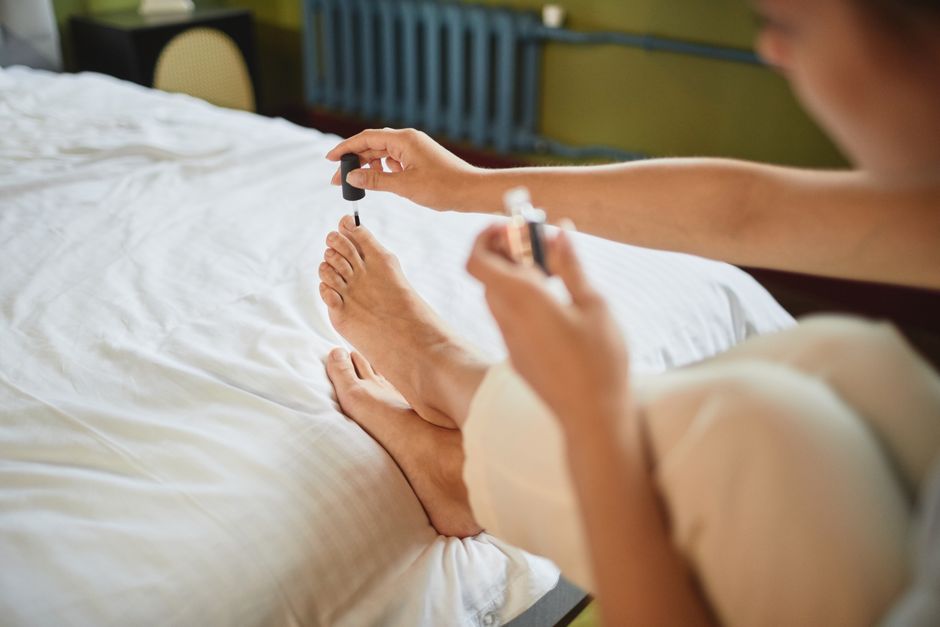
Losing a toenail can feel awkward, especially during sandal season. The best way to disguise a missing toenail is to use a press-on nail designed for toes, a gel nail extension applied by a professional, or a high-quality medical-grade adhesive bandage shaped to fit the toe. For a quick fix, opaque nail polish applied directly to the exposed nail bed works well, but it only lasts a few days as the skin grows and sheds.
Why Do Toenails Fall Off and How Long Does It Take to Grow Back?
Toenails usually fall off because of trauma. Dropping something heavy on your foot, stubbing your toe, or wearing shoes that are too tight during long runs are common causes. Fungal infections can also weaken the nail until it separates from the nail bed.
A missing toenail is not usually a medical emergency. The nail bed underneath is sensitive at first but becomes less tender as new skin forms. Full regrowth takes time. A healthy toenail grows about 1 millimeter per month. A complete new nail can take 6 to 12 months to grow from cuticle to tip. Some people wait up to 18 months if the nail root was damaged.
If the nail fell off without any injury, see a doctor. Pain, redness, or discharge around the nail bed could mean an infection needs treatment.
What Are the Best Options to Disguise a Missing Toenail?
Your choice depends on how long you need the disguise and what you plan to do while wearing it.
Press-on toenails are the fastest option. You can buy them at most drugstores. They come in full sets or singles. Look for sizes that match your other toes. Clean the nail bed with rubbing alcohol, let it dry completely, then press the fake nail on with the included adhesive tab or a drop of nail glue. Press firmly for 30 seconds. These last anywhere from a few hours to a week depending on the glue and how much you walk.
Gel nail extensions applied by a licensed nail technician last longer. The technician builds a new nail shape over the remaining nail bed using gel that hardens under a UV or LED lamp. This option looks the most natural because the gel is shaped to match your other toes. It can last 2 to 3 weeks. The downside is cost and the need to visit a salon.
Medical-grade toe covers are a good middle ground. These are silicone or gel caps that fit over the whole toe. They protect the nail bed while hiding the missing nail. Pharmacies sell them in the foot care section. They are reusable and washable. They look less natural than a press-on nail but offer more protection.
Can You Paint a Missing Toenail with Regular Nail Polish?
Yes. Opaque nail polish applied directly to the exposed nail bed is a common home fix. The skin on the nail bed is smooth enough to hold polish for a few days.
Start with a clear base coat to protect the sensitive skin. Apply two coats of a dark or opaque color. Dark reds, deep blues, and blacks hide the pink skin tone best. Finish with a top coat. The polish will chip faster than it would on a real nail because the skin sheds dead cells constantly. Expect to reapply every 2 to 3 days.
Do not use nail polish on an open wound. If the nail bed is still raw, bleeding, or weeping fluid, wait until it has healed completely. Polish on broken skin can cause irritation or infection.
One warning: some people find nail polish stings when applied to a freshly exposed nail bed. If it hurts, stop and try a press-on nail instead.





How to Make a Press-On Toenail Look Natural
A press-on nail that looks obviously fake draws more attention than the missing nail itself. Getting it right takes a little effort.
Match the shape to your other toes. Most people have slightly rounded toenails. Choose a press-on that mirrors that curve. File the edges gently if the fake nail is wider than your natural nail bed.
Color matters. A shade close to your other nails makes the disguise less noticeable. If your other toes are bare, pick a neutral pink or sheer color. If you are wearing polish on all toes, paint the press-on before applying it.
Apply the nail so the cuticle edge sits right at the base of your nail bed. Do not push it down onto skin. Press firmly and hold for 30 to 60 seconds.
To remove it, soak your toe in warm soapy water or use acetone-based nail polish remover. Never yank it off. Pulling can damage the new skin forming on the nail bed.
Are There Any Risks to Covering a Missing Toenail?
Covering a missing toenail is generally safe once the area has healed. The main risk is trapping moisture. A fake nail or silicone cap creates a warm, damp environment where bacteria and fungus can grow.
Keep the area clean and dry. Remove the cover daily to wash your foot and let the nail bed air out for at least 15 minutes. If you notice a bad smell, yellow discharge, or increased pain, remove the cover and see a doctor.
Do not cover a missing toenail if you have diabetes or poor circulation in your feet. These conditions slow healing and raise infection risk. Talk to your doctor before using any cosmetic product on your feet.
Also avoid wearing a press-on nail for more than a week at a time. The skin underneath needs to breathe. Long-term wear without breaks can weaken the new nail as it grows in.
What About Shoes and Socks?
Your choice of footwear affects how long any disguise lasts. Tight shoes rub against a press-on nail and loosen the adhesive. Open-toed shoes leave the fake nail exposed to bumps that can knock it off.
For the first few days after the nail falls off, wear shoes with a wide toe box. This reduces pressure on the nail bed and helps it heal. Once the area is no longer tender, you can return to your normal shoes.
Socks can also catch on a press-on nail. Choose seamless socks or wear a thin cotton sock over the press-on if you need protection. Some people find that a small piece of medical tape over the fake nail keeps it secure inside a sock.
How to Care for the Nail Bed While It Grows Back
Good care now makes the new nail grow in healthier. The nail bed is vulnerable until the new nail starts to form.
Keep the area clean with mild soap and water daily. Pat it dry gently. Do not scrub. Apply a thin layer of petroleum jelly or a fragrance-free moisturizer to keep the skin from cracking. Avoid soaking your foot for long periods because that softens the skin and makes it more prone to injury.
Watch for signs of infection. Redness spreading up the toe, warmth, swelling, or pus all require medical attention. A small amount of clear fluid is normal in the first few days after the nail falls off.
As the new nail grows, it may look ridged, thick, or uneven at first. This is normal. The nail often grows back with a different texture than the original. It usually smooths out over time.
If the nail does not show any sign of regrowth after 6 months, or if it grows back misshapen and painful, see a podiatrist. Sometimes the nail root is damaged and needs professional treatment.
When Should You See a Doctor Instead of Hiding It?
Cosmetic fixes are fine when the nail bed is healed and healthy. Some situations need medical evaluation first.
See a doctor if the nail fell off without any injury. This can signal an underlying condition such as a fungal infection, psoriasis, or a thyroid problem. A doctor can determine the cause and recommend treatment.
See a doctor if the area is painful longer than a week after the nail came off. Persistent pain may mean the nail bed is damaged or infected.
If you have diabetes, peripheral artery disease, or a weakened immune system, do not attempt home fixes without medical advice. Foot problems that seem minor can become serious quickly in these populations.
Frequently Asked Questions
How long does a missing toenail take to grow back?
A full toenail takes 6 to 12 months to regrow completely. Toenails grow about 1 millimeter per month, so the exact time depends on your age, health, and the extent of the damage.
Can I wear nail polish on a missing toenail?
Yes, once the nail bed has healed and is no longer raw or weeping. Opaque polish applied directly to the skin works for a few days, but it will chip faster than on a real nail because the skin sheds dead cells.
Will a press-on toenail damage the new nail growing in?
No, if applied gently and removed properly. Soak the toe in warm soapy water to loosen the adhesive before removal. Avoid pulling it off, which can damage the new nail bed tissue.
Is it safe to cover a missing toenail with a fake nail?
It is safe once the area has fully healed and there are no signs of infection. Keep the area clean and dry, and remove the fake nail daily to let the skin breathe. People with diabetes or circulation problems should ask a doctor first.
