
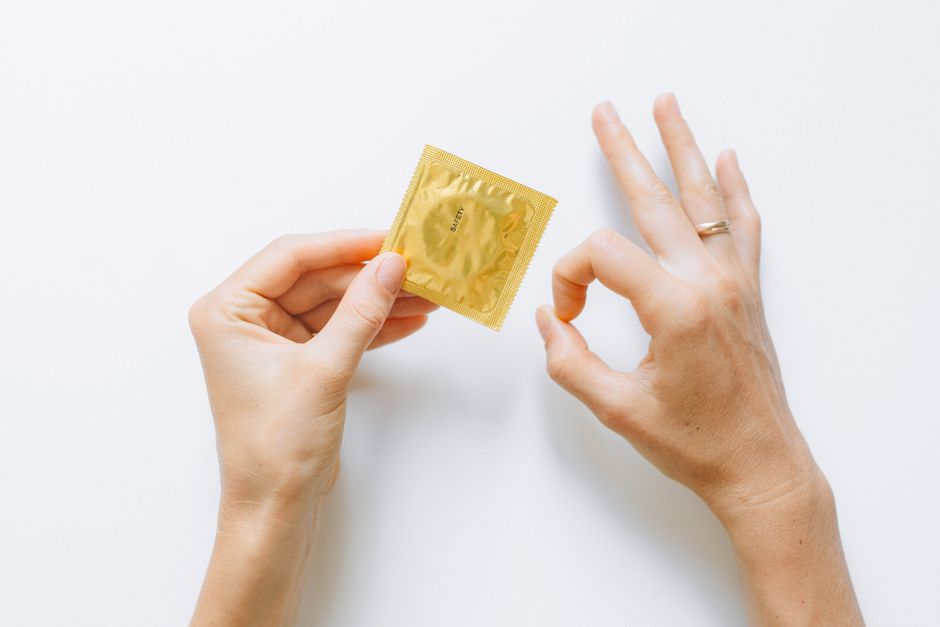
Getting tested for STDs is simpler and more private than most people realize. You can visit your regular doctor, go to a public health clinic, or order an at-home test kit online. Costs range from free at community clinics to around $200 for a full panel through private services. Privacy is protected by federal law, and many clinics offer anonymous testing for HIV and syphilis. The key is knowing what test you need, where to go, and how much it will actually cost before you book.
Where Can You Get Tested for STDs?
You have more options than most people know about. Your primary care doctor can test you during a regular visit. Many patients do not realize their annual physical is a good time to ask. The CDC reports that most routine STD tests are covered by insurance as preventive care.
Planned Parenthood clinics offer testing across the country. They use a sliding fee scale based on income. Some people pay nothing. Others pay a reduced rate. Local health departments also provide low-cost or free testing. These clinics are confidential and often do not require ID.
Urgent care centers have become a popular choice. They take walk-ins and most insurance plans. A typical visit costs between $50 and $150 without insurance. The results come back in 1 to 3 days for most infections.
How Much Does STD Testing Actually Cost?
Cost varies wildly depending on where you go and what you test for. A single test for chlamydia at a public clinic can be free. A full panel at a private lab can cost $200 or more. The table below breaks down typical costs.
| Testing Location | Cost Without Insurance | Cost With Insurance |
|---|---|---|
| Public health clinic | $0 – $20 | $0 (no billing) |
| Planned Parenthood | $0 – $150 (sliding scale) | $0 – $50 copay |
| Urgent care | $50 – $150 | $20 – $75 copay |
| Private lab (Quest/LabCorp) | $100 – $200 | $0 – $50 |
| At-home test kit | $50 – $150 | Not typically covered |
Insurance plans under the Affordable Care Act cover most STD screening at no cost to you. This includes chlamydia, gonorrhea, syphilis, and HIV for certain age groups and risk levels. You should call your insurance company first to confirm what is covered. Many people pay for tests they did not need to pay for.
At-Home STD Test Kits: Do They Work?
At-home test kits have become very popular. Companies like LetsGetChecked, Everlywell, and myLAB Box ship kits to your home. You collect a urine sample or a finger prick blood sample and mail it back. Results arrive online in 2 to 5 days.
Research published in the journal Sexually Transmitted Infections found that at-home testing for chlamydia and gonorrhea was just as accurate as clinic-based testing when samples were collected correctly. The accuracy for HIV using finger prick blood samples is above 99 percent according to the FDA.
The main downside is cost. Insurance rarely covers at-home kits. You pay the full price out of pocket. Another issue is that some kits test for only a few infections. A “full panel” might not include trichomoniasis or hepatitis C. Read the kit description carefully before buying.
Privacy is a major reason people choose at-home kits. The package arrives in plain packaging. Your name is not reported to local health departments the way a clinic test result might be. This matters to people who worry about employer or family finding out.



What Privacy Protections Exist for STD Testing?
Federal law protects your STD testing records. The Health Insurance Portability and Accountability Act (HIPAA) prevents your doctor from sharing your results without your written permission. Your employer cannot legally access your test results. Your insurance company can see that a test was done but not the specific result in most cases.
Many clinics offer anonymous HIV testing. You do not give your name. You receive a unique number and call for results using that number. The CDC recommends anonymous testing for people who fear stigma or discrimination.
Some state laws require that positive HIV and syphilis results be reported to the health department. This is for public health tracking. The health department contacts you to offer partner services. Your name stays confidential and is not shared with law enforcement or employers.
If you pay cash at a clinic and do not use insurance, the test never appears on your medical records. This is the most private option available. Some people choose this even though it costs more.
What Tests Should You Actually Get?
There is no single “full STD panel” that works for everyone. Doctors test based on your sexual history, symptoms, and risk factors. A typical screening for sexually active people includes:
- Chlamydia and gonorrhea (urine test or swab)
- HIV (blood test or oral swab)
- Syphilis (blood test)
- Hepatitis B and C (blood test)
- Herpes (blood test only if you have symptoms or known exposure)
The CDC does not recommend routine herpes testing for people without symptoms. The blood test for herpes is not very accurate and can give false positives. Many people carry the virus without ever having symptoms. Testing everyone would cause unnecessary anxiety.
Trichomoniasis is not part of standard panels. You need to ask for it specifically. It is the most common curable STD but many clinics skip it. Women should request it if they have symptoms like discharge or odor.
Human papillomavirus (HPV) testing is done only for women during Pap smears. There is no approved HPV test for men. Most sexually active adults have HPV at some point and clear it on their own.
How Do You Prepare for an STD Test?
Preparation is minimal but matters for accuracy. For a urine test, do not urinate for at least one hour before the test. This ensures enough bacteria are present in the sample. For a blood test, no special preparation is needed.
If you have symptoms like sores or discharge, do not use any creams or douche before your appointment. This can wash away the bacteria or virus the test is looking for. The doctor may need to swab the sore directly.
Tell your doctor honestly about your sexual activity. This includes the number of partners, whether you use condoms, and any symptoms you have noticed. Doctors have heard everything. They are not judging you. They need accurate information to order the right tests.
Common Misconceptions About STD Testing
Many people think a Pap smear tests for all STDs. It does not. A Pap smear looks for cell changes caused by HPV. It does not test for chlamydia, gonorrhea, HIV, or syphilis. You need separate tests for those.
Another myth is that you need symptoms to get tested. Most STDs have no symptoms. The CDC estimates that 1 in 5 people in the United States has an STD at any given time. Most of them do not know it. Testing is the only way to know your status.
Some people believe that at-home tests are less accurate than clinic tests. As mentioned earlier, the evidence shows they are equally accurate for most infections when done correctly. The risk is user error, not the test itself.
People also think STD testing requires a pelvic exam or a blood draw for everything. Most STDs can be detected with a simple urine sample. HIV and syphilis require blood, but it is a quick finger prick or arm draw.
Frequently Asked Questions
Can I get tested for STDs without my parents knowing?
Yes, if you are over 18 you have full privacy rights. Minors can get tested without parental consent in all 50 states for most STDs.
How long does it take to get STD test results?
Most results come back in 1 to 3 days. HIV rapid tests give results in 20 minutes. Syphilis tests may take up to a week.
Does insurance cover at-home STD test kits?
Most insurance plans do not cover at-home kits. You pay the full cost out of pocket, which ranges from $50 to $150.
Will my employer find out if I get tested for STDs?
No, HIPAA law prevents employers from accessing your medical records. Your test results are private between you and your doctor.
