

The idea of “detoxing” your body to lose weight is everywhere online. Teas, cleanses, and juice fasts all promise a quick fix. The honest truth is your body already has a highly efficient detox system: your liver and kidneys. Weight loss, however, is a different process entirely. It comes down to burning more calories than you consume. No cleanse or special tea can change that fundamental biology, but there are evidence-based ways to support your body’s natural processes while you lose weight.
What Does “Detox” Actually Mean for Your Body?
Your body detoxifies itself constantly. The liver filters blood, breaks down toxins, and prepares them for removal. The kidneys filter waste and extra water out of your blood to make urine. Your lungs expel carbon dioxide. Your skin releases sweat. This is not a trend; it is continuous, essential physiology.
When you hear about “detox diets,” they usually involve fasting, drinking only juices, or taking herbal supplements. No clinical evidence confirms that these programs remove toxins faster or better than your body does on its own. In fact, some can be harmful. Extreme juice fasts often lack protein and fiber, which can leave you tired and cause muscle loss.
What you can do is give your liver and kidneys what they need to work well. That means staying hydrated, eating a balanced diet, and limiting alcohol and processed foods. This approach supports your natural systems without the risks of extreme cleanses.
How To Detox Your Body To Lose Weight What Really Works
If you want to support your body’s natural detox processes and lose weight, focus on the basics that research consistently supports. There is no single food or drink that flushes fat. Weight loss happens when you maintain a calorie deficit, meaning you consume fewer calories than your body burns.
Here is what actually works, based on solid evidence:
- Drink water consistently. Your kidneys need water to filter waste. Mild dehydration can make you feel tired and can slow down your metabolism slightly. Drinking water before meals may also help you eat less.
- Eat plenty of fiber. Fiber moves through your digestive system and helps you feel full. It also feeds the beneficial bacteria in your gut, which play a role in metabolism. Aim for fiber from vegetables, fruits, beans, and whole grains.
- Choose whole foods over processed ones. Processed foods are often high in added sugar, salt, and unhealthy fats. Swapping them for whole foods naturally reduces your calorie intake without counting every calorie.
- Get enough protein. Protein is the most filling nutrient. It also requires more energy to digest than carbohydrates or fat, which slightly increases your calorie burn. Lean meats, fish, eggs, beans, and dairy are good sources.
- Move your body. Regular physical activity burns calories and helps maintain muscle mass while you lose weight. Muscle burns more calories than fat, even at rest.
These strategies are not glamorous, but they are effective. They support your liver and kidneys by keeping your overall diet balanced and reducing the burden of excess alcohol and highly processed foods.
Do Detox Teas and Cleanses Help You Lose Weight?
Detox teas are one of the most heavily marketed weight loss products. Most contain herbs with a laxative effect, like senna, or mild diuretics like dandelion leaf. The weight you lose on these teas is mostly water and waste, not fat. As soon as you stop drinking them, that weight returns.
Some detox teas also contain caffeine, which can temporarily suppress appetite and increase calorie burn. These effects are small and short-lived. No study has confirmed that detox teas produce lasting weight loss.
There are real risks here. Laxative herbs can cause cramping, diarrhea, and dehydration. Using them regularly can disrupt your electrolyte balance and lead to dependence. Your colon can lose its natural ability to move waste on its own. This is not a safe or sustainable way to lose weight.
If you want to drink tea for health, that is fine. Green tea, for example, contains antioxidants and a small amount of caffeine. But drink it as a beverage, not as a weight loss tool.




What About Juice Cleanses and Fasting?
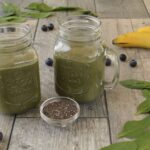
Juice cleanses involve drinking only fruit and vegetable juices for one to several days. They are very low in calories, so you will likely lose weight quickly. Most of that initial loss is water weight. When you return to eating solid food, the scale often moves back up.
Juice cleanses also lack protein and fat. Without protein, your body may break down muscle tissue for energy. Losing muscle lowers your metabolic rate, which makes it harder to keep weight off later. The sugar in fruit juice can also spike your blood sugar, leaving you hungry and tired.
Intermittent fasting is different. It involves eating all your meals within a specific window, such as 8 hours, and fasting for the other 16. Some research suggests this can help with weight loss, primarily because it helps people eat fewer calories overall. It is not a detox, and it does not speed up the removal of toxins from your body. It is simply a different way of structuring your meals.
If you are interested in fasting, it is safest to start with a shorter eating window and see how your body responds. People with diabetes, pregnant women, and those with a history of eating disorders should talk to a doctor before trying intermittent fasting.
Can Certain Foods Boost Your Liver’s Detox Pathways?
The liver has specific enzyme systems that break down toxins. Some foods and nutrients are involved in these pathways. For example, sulfur-containing foods like garlic, onions, and cruciferous vegetables such as broccoli and Brussels sprouts provide building blocks for liver enzymes. This is well-established biochemistry.
However, eating these foods does not mean your liver will detox faster. It means your liver has the nutrients it needs to function normally. If you already eat a varied diet, you are likely getting enough of these nutrients. The idea that you need a special “liver cleanse” to boost these pathways is not supported by clinical evidence.
What can harm your liver is clear: heavy alcohol use, excess sugar, and obesity. Reducing alcohol and maintaining a healthy weight are the most effective ways to protect your liver and support its function.
What Role Does Gut Health Play in Weight Loss?
Your gut contains trillions of bacteria that influence digestion and metabolism. Research in this area is growing, but it is not fully settled. Some studies suggest that people with a more diverse gut microbiome tend to have healthier body weights. The evidence is mixed on whether changing your gut bacteria directly causes weight loss.
What is clear is that your diet shapes your gut bacteria. A diet high in fiber feeds beneficial bacteria. A diet high in processed foods and sugar feeds less helpful bacteria. Eating a variety of plant foods is one of the best ways to support a healthy gut.
Fermented foods like yogurt, kefir, sauerkraut, and kimchi contain live bacteria. Some research suggests they can add to the diversity of your gut microbiome. The evidence is promising but not conclusive. Including them in your diet is generally safe and healthy, but they are not a magic bullet for weight loss.
How Much Water Should You Drink for Detox and Weight Loss?
Water is essential for your kidneys to filter waste. There is no single number that works for everyone. A common general guideline is about 8 cups, or 64 ounces, per day. Some people need more, especially if they are active or live in a hot climate.
A better signal is your urine color. Pale yellow means you are well hydrated. Dark yellow means you need more fluids. Clear urine can mean you are drinking more than you need, which is usually harmless but unnecessary.
Drinking water before meals is one of the few hydration strategies with direct weight loss evidence. Some studies have found that drinking about two cups of water before a meal helps people eat fewer calories and lose more weight. This is a simple, safe habit to try. It works because water takes up space in your stomach, increasing fullness.
What About Sweating Out Toxins?
Sweating releases small amounts of waste products, but it is not a major detox pathway. Your liver and kidneys do the heavy lifting. Sweating is primarily for temperature regulation, not toxin removal.
Exercising enough to sweat is good for you, but not because of the sweat itself. The calorie burn and cardiovascular benefits are what matter for weight loss. Saunas and sweat wraps cause water loss, which is temporary. You will regain that water weight as soon as you drink fluids.
Frequently Asked Questions
Do detox diets actually remove toxins from my body?
Your liver and kidneys already remove toxins continuously. No clinical evidence confirms that detox diets remove toxins faster or better than your body does on its own.
Will I lose weight on a juice cleanse?
You will likely lose weight quickly, but most of it is water weight, and some may be muscle. The weight often returns when you resume eating solid food.
Are detox teas safe for weight loss?
Many contain laxative herbs that can cause cramping, diarrhea, and dehydration. They are not safe for regular use and do not produce lasting fat loss.
Can drinking more water help me lose weight?
Drinking water before meals can help you eat fewer calories. Staying well hydrated also supports your kidneys, but water alone does not cause fat loss.
