
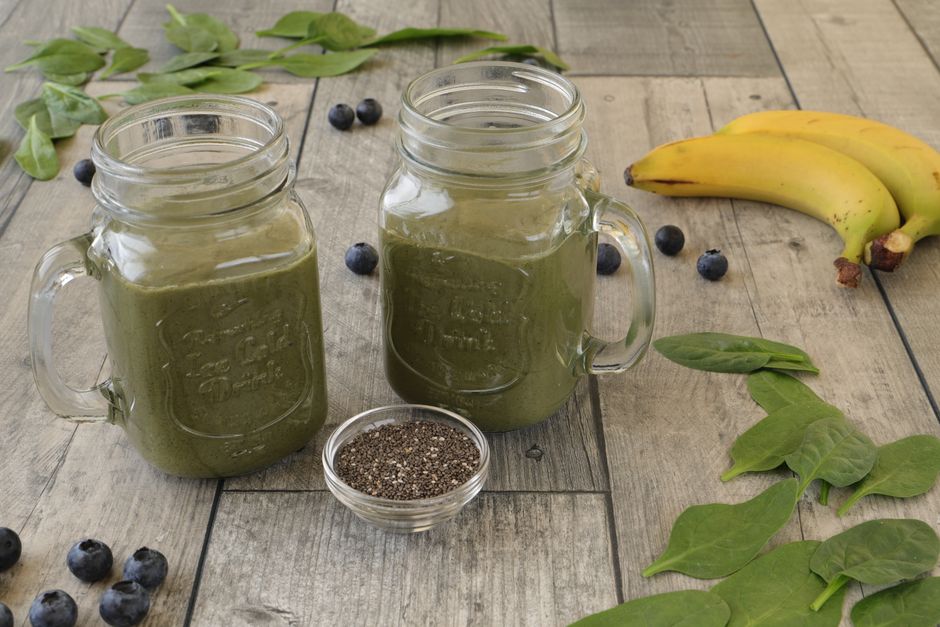
Chia seeds are a simple, whole-food addition to your diet that can genuinely support weight loss efforts. They are packed with fiber and protein, which help you feel full longer and reduce overall calorie intake. To use them effectively, the key is to add them to meals and drinks in ways that increase satiety without adding excessive calories.
How Do Chia Seeds Actually Help With Weight Loss?
Chia seeds do not burn fat on their own. No food does that. Their value comes from how they affect your appetite and digestion.
The main mechanism is satiety. Chia seeds absorb up to 10-12 times their weight in water, forming a thick gel. This gel takes up physical space in your stomach, which triggers stretch receptors that signal fullness to your brain. This effect is real and measurable, though it is temporary.
The second mechanism is nutrient density. A standard two-tablespoon serving contains about 10 grams of fiber and 5 grams of protein. Both of these slow digestion and stabilize blood sugar levels after meals. Stable blood sugar means fewer cravings a few hours later.
Research supports this. Some clinical trials have shown that participants who consumed chia seeds before meals ate less at the meal itself. Other studies show that regular chia consumption, combined with a calorie-controlled diet, leads to greater weight loss than diet alone. The effect is modest but consistent.
What Is The Best Way To Eat Chia Seeds For Weight Loss?
The single most effective method is to eat chia seeds before or with a meal, soaked in liquid. This maximizes the gel-forming effect and the fullness it creates.
The most practical approach is the chia drink. Mix one to two tablespoons of chia seeds with 8-10 ounces of water. Let it sit for 10-15 minutes until it forms a gel. Drink it 20-30 minutes before your main meals. This gives your stomach time to register the volume before food arrives.
Another excellent option is chia pudding. Combine two tablespoons of seeds with half a cup of milk or a milk alternative. Stir well, refrigerate overnight, and you have a high-protein, high-fiber breakfast. This works well because it replaces a less filling breakfast option.
You can also sprinkle dry chia seeds onto yogurt, oatmeal, or salads. This works, but dry seeds do not form a gel in your mouth or throat. They form the gel once they hit stomach acid. The satiety effect is slightly less pronounced than with pre-soaked seeds.
One caution matters. If you eat dry chia seeds, drink plenty of water alongside them. They absorb liquid quickly and can cause discomfort if consumed dry in large amounts.
How Much Chia Seeds Should You Eat Per Day?
The commonly recommended serving is one to two tablespoons per day, which is 15 to 30 grams. This is not a strict clinical guideline, but it is a well-established practical range used in research studies.
Start with one tablespoon daily for a few days. This lets your digestive system adjust to the sudden increase in fiber. Jumping straight to two tablespoons can cause bloating, gas, or cramping in people not used to high-fiber diets.
Two tablespoons provide roughly 140 calories, 10 grams of fiber, 5 grams of protein, and about 9 grams of fat. The fat is mostly alpha-linolenic acid, a plant-based omega-3. These calories count toward your daily total. Chia seeds are not calorie-free, and eating them in addition to your normal diet without reducing anything else will not produce weight loss.
There is no established upper safety limit specifically for chia seeds. However, eating significantly more than four tablespoons daily increases the risk of digestive discomfort and may displace other nutrient-dense foods from your diet.



When Is The Best Time To Eat Chia Seeds?
Timing matters less than consistency, but there is a logical strategy.
Consuming chia seeds 20-30 minutes before lunch and dinner is the most evidence-aligned approach. These are typically the largest meals of the day, and reducing portion size at these meals has the greatest impact on daily calorie intake.
Breakfast is another strong option. A chia pudding breakfast keeps you full through mid-morning, which reduces the likelihood of snacking before lunch. This is particularly useful if you tend to reach for high-calorie snacks by 10 a.m.
Eating chia seeds at night is not harmful, but there is no evidence it provides any specific weight loss benefit. The fullness effect lasts a few hours, not through the night.
The most important factor is that you actually eat them consistently. A daily routine that you can maintain beats a perfect timing strategy you abandon after a week.
What Is The Chia Seed Water Recipe For Weight Loss?
This is the most popular and easiest method. It takes less than five minutes of active time.
Here is the basic recipe:
- 1-2 tablespoons of chia seeds
- 8-10 ounces of water
- Optional: a squeeze of lemon or lime juice
Mix the seeds into the water. Stir immediately and again after five minutes. The seeds will clump if you do not stir them early. Let the mixture sit for 10-15 minutes. The final texture should be gel-like, similar to a thin pudding. Drink it before a meal.
You can add flavor without adding meaningful calories. Lemon, lime, or a small amount of sugar-free flavoring all work. Avoid honey, sugar, or fruit juice. These add calories and defeat the purpose.
Some people add chia seeds directly to their water bottle and sip it throughout the day. This is fine, but the satiety effect is weaker because the gel forms slowly over hours rather than all at once before a meal.
Can Chia Seeds Replace A Meal?
No. Chia seeds should not replace a full meal.
A two-tablespoon serving contains about 140 calories. That is not enough to constitute a meal. Attempting to use chia pudding as a meal replacement will leave you significantly undernourished in calories, protein, and essential vitamins.
Chia seeds work best as a meal addition or a snack. They complement a balanced meal by adding fiber and protein. They do not substitute for the complete nutrition a proper meal provides.
If you are looking for meal replacement options, there are clinically formulated products designed for that purpose. Chia seeds alone do not meet those nutritional standards.
Are There Any Risks Or Side Effects?
Chia seeds are safe for most people when consumed in normal food amounts. The risks are limited but real.
Digestive issues are the most common problem. The high fiber content can cause bloating, gas, and abdominal discomfort, especially if you suddenly increase your intake. Starting with one tablespoon and gradually increasing is the best prevention.
There is a documented risk of choking or esophageal blockage if dry chia seeds are swallowed without sufficient liquid. The seeds expand rapidly and can form a gel in the throat. This is rare but has been reported in medical literature. Always soak chia seeds or drink plenty of water with them.
People with high blood pressure or diabetes medications should be aware that chia seeds can lower blood pressure and blood sugar slightly. This is generally beneficial, but it could theoretically interact with medications that already lower these levels. If you are on such medications, discuss chia seed intake with your doctor.
People with a history of swallowing difficulties or esophageal narrowing should avoid dry chia seeds entirely.
Do Chia Seeds Work Without Exercise?
Chia seeds can support weight loss without exercise, but the effect will be smaller. Weight loss fundamentally requires a calorie deficit. Chia seeds help you achieve that deficit by reducing appetite, but they do not create the deficit on their own.
If you eat chia seeds before meals and naturally eat less as a result, you will lose weight even without changing your exercise habits. This is supported by research. The weight loss will be gradual and modest, typically a few pounds over several months.
Combining chia seeds with regular physical activity produces better results. Exercise increases your calorie expenditure, which makes the appetite-suppressing effect of chia seeds more impactful. But the chia seeds themselves work regardless of your exercise routine.
Frequently Asked Questions
Do chia seeds help you lose belly fat?
No food targets belly fat specifically. Chia seeds can help you eat fewer calories overall, which leads to total body fat loss, including around the abdomen, but the effect is general, not localized.
Can I eat chia seeds dry?
Yes, but you must drink plenty of water with them. Dry seeds absorb liquid in your throat and stomach, which can cause choking if you do not drink enough fluid.
How long does it take for chia seeds to work for weight loss?
You may feel the fullness effect immediately on the first day. Measurable weight loss typically takes several weeks of consistent daily use combined with a calorie-controlled diet.
Is it better to eat chia seeds in the morning or at night?
Morning or before lunch and dinner is better. The fullness effect lasts a few hours, so timing them before your largest meals gives the greatest benefit.
