
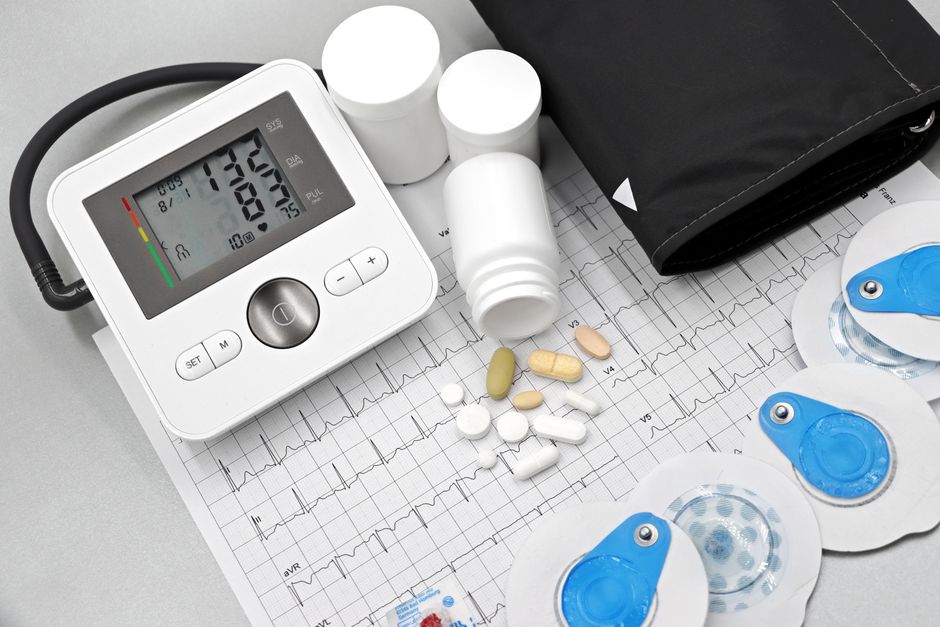
Cardiomyopathy is a disease of the heart muscle that makes it harder for your heart to pump blood to the rest of your body. Detecting it early involves recognizing symptoms like shortness of breath, swelling in the legs, and fatigue, but the only way to confirm it is through specific medical tests like an echocardiogram, an ECG, or an MRI. Because symptoms often appear only after the condition has progressed, doctors rely on a combination of physical exams, imaging, and blood tests to make a diagnosis.
What Are The First Signs Of Cardiomyopathy?
Symptoms of cardiomyopathy vary depending on the type and how far the disease has progressed. In the early stages, many people have no symptoms at all. When symptoms do appear, they often develop gradually.
The most common symptoms include shortness of breath, especially during activity or when lying flat. You might also notice swelling in your ankles, feet, or legs. This happens because the heart is not pumping efficiently, causing fluid to build up in the body. Fatigue and an inability to exercise as long as you used to are also common early clues.
Other signs include a rapid or pounding heartbeat, dizziness, and lightheadedness. Some people experience chest pain or discomfort, particularly after physical exertion. If you notice these symptoms, particularly if they are new or getting worse, it is important to see a doctor rather than waiting to see if they pass.
How Do Doctors Diagnose Cardiomyopathy?
A diagnosis of cardiomyopathy is not made from symptoms alone. Doctors use a series of tests to look at the structure and function of your heart. The process usually begins with a thorough medical history and a physical exam.
During the physical exam, a doctor listens to your heart and lungs with a stethoscope. They are listening for abnormal heart sounds, a heart murmur, or fluid in the lungs. They may also check your neck veins for swelling and look for fluid retention in your abdomen or legs. These are all physical signs that the heart is struggling.
After the physical exam, the next step is typically an electrocardiogram (ECG or EKG). This test records the electrical activity of your heart. It can reveal an irregular heartbeat, signs of a previous heart attack, or other electrical problems that suggest cardiomyopathy. It is a quick and painless test that provides important clues.
What Is The Best Test To Confirm Cardiomyopathy?
The most important test for confirming cardiomyopathy is an echocardiogram. This is an ultrasound of the heart that uses sound waves to create a moving picture of your heart in real time. It shows the size of the heart chambers, how thick the heart muscle is, and how well the heart is pumping blood.
A key number from an echocardiogram is the ejection fraction. This measures the percentage of blood the left ventricle pumps out with each beat. A normal ejection fraction is typically between 50% and 70%. If your ejection fraction is lower than normal, it is a strong sign of systolic heart failure, which is common in dilated cardiomyopathy.
The echocardiogram also helps doctors distinguish between the main types of cardiomyopathy. For example, if the heart muscle walls are abnormally thick, it points to hypertrophic cardiomyopathy. If the heart is enlarged and weak, it points to dilated cardiomyopathy. This distinction matters because treatment differs for each type.





What Other Tests Are Used To Detect Cardiomyopathy?
Depending on your symptoms and the results of the echocardiogram, your doctor may order additional tests to get a clearer picture. A cardiac MRI is one of the most detailed imaging tests available. It provides high-resolution images of the heart muscle and can detect scarring or fibrosis that other tests might miss.
Blood tests are also a routine part of the workup. They check for conditions that can cause cardiomyopathy, such as thyroid disease, iron overload, or certain infections. A specific blood test called B-type natriuretic peptide (BNP) is often elevated when the heart is under strain, and it helps doctors assess the severity of heart failure.
A chest X-ray can show whether the heart is enlarged and whether there is fluid buildup in the lungs. In some cases, a stress test is used to see how the heart performs under physical exertion. If doctors suspect a genetic cause, they may recommend genetic testing, particularly if you have a family history of cardiomyopathy or sudden cardiac death.
Can Cardiomyopathy Be Missed By Routine Checkups?
Yes, it can. A routine physical exam and a standard ECG may look completely normal in the early stages of cardiomyopathy. This is especially true for hypertrophic cardiomyopathy, where the heart may pump normally for years before symptoms appear.
This is why the condition is sometimes found only after a complication occurs, such as a dangerous arrhythmia or even sudden cardiac arrest. In young athletes, hypertrophic cardiomyopathy is a leading cause of sudden death, which is why some sports organizations recommend screening with an ECG or echocardiogram for high-risk athletes.
If you have a family history of cardiomyopathy, heart failure, or sudden cardiac death at a young age, you should tell your doctor. You may need earlier or more frequent screening than someone without that family history. Screening can begin in childhood or adolescence for families with known genetic mutations.
How To Detect Cardiomyopathy Tests And Symptoms Early
The most reliable way to detect cardiomyopathy early is to pay attention to your body and to know your family history. Symptoms like unexplained fatigue, swelling, and shortness of breath should not be dismissed as simply getting older or being out of shape. These are the heart’s warning signs.
If you have any of these symptoms, ask your doctor for an echocardiogram. This single test is the cornerstone of diagnosis. An ECG alone is not enough to rule out the disease. The combination of symptoms, an abnormal ECG, and a family history should prompt a referral to a cardiologist.
Early detection matters because treatment can slow the progression of the disease, manage symptoms, and reduce the risk of serious complications like blood clots, heart failure, and sudden cardiac arrest. Medications, lifestyle changes, and in some cases implanted devices like pacemakers or defibrillators can significantly improve quality of life and survival.
When Should You Seek Emergency Care?
Some symptoms require immediate medical attention. Call 911 if you have chest pain that lasts more than a few minutes, severe difficulty breathing, fainting, or a rapid heartbeat that does not settle down. These can be signs of a heart attack or a life-threatening arrhythmia.
Do not drive yourself to the hospital if you are experiencing these symptoms. Call for an ambulance so that medical care can begin on the way. Emergency doctors can run an ECG and blood tests quickly to determine if your heart is in immediate danger.
Cardiomyopathy is a serious condition, but it is also a manageable one. The key is catching it early. If something feels off with your heart, do not wait. A simple echocardiogram can give you and your doctor the answers you need.
Frequently Asked Questions
Can a blood test detect cardiomyopathy?
Blood tests cannot diagnose cardiomyopathy on their own, but they provide important clues. A BNP test can indicate heart strain, and other blood tests rule out causes like thyroid disease or iron overload.
How long can you have cardiomyopathy without knowing?
Some people live with cardiomyopathy for years without symptoms. The condition can progress slowly, and it is often discovered only after symptoms appear or during a routine test for another reason.
Is cardiomyopathy the same as heart failure?
No, but cardiomyopathy is a common cause of heart failure. Heart failure is a condition where the heart cannot pump enough blood, and cardiomyopathy is one of the diseases that leads to that failure.
Can a normal ECG rule out cardiomyopathy?
No. A normal ECG is a good sign, but it does not rule out cardiomyopathy. An echocardiogram is needed to see the structure and pumping function of the heart muscle directly.
