
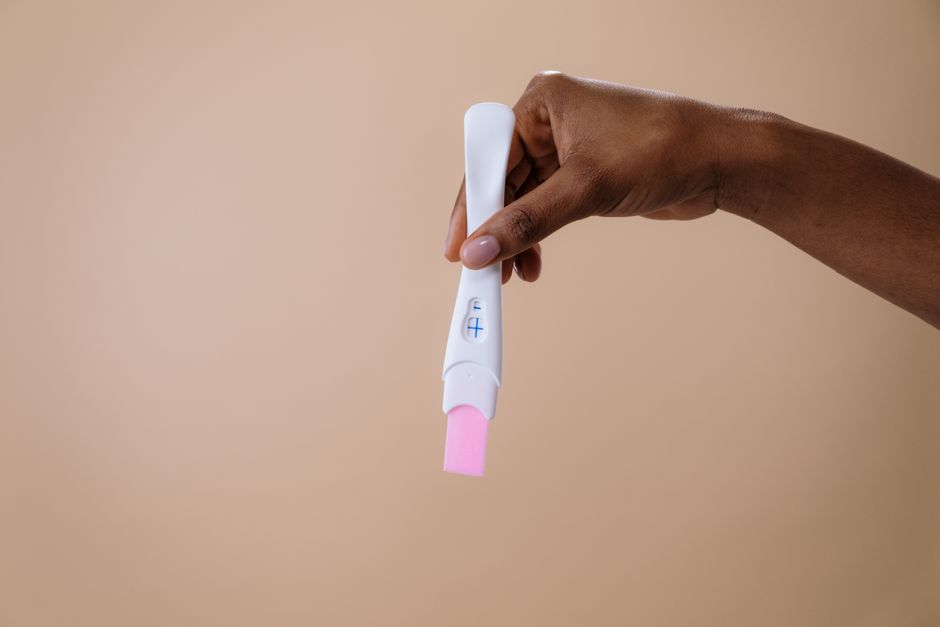
You missed a period, but the test was negative. You feel fluttering in your belly, but you chalk it up to gas. A cryptic pregnancy — sometimes called a stealth pregnancy — is one that goes undetected for weeks or even months. Detecting one starts with paying attention to subtle body changes, taking a pregnancy test at the right time, and knowing when a blood test or ultrasound is needed to confirm what a home test may miss.
What Is a Cryptic Pregnancy?
A cryptic pregnancy is a pregnancy that a person does not recognize until late in the pregnancy or even during labor. The term describes the person’s experience, not a specific medical condition. The pregnancy itself is usually normal.
This is not as rare as many people assume. Research suggests a meaningful number of pregnancies are not recognized until the second trimester or later. Some studies indicate that a smaller but real number are not recognized until labor begins. These cases are uncommon, but they are documented in obstetric literature.
Two things usually drive a cryptic pregnancy. First, the person may have no obvious symptoms, or symptoms so mild they blend into everyday life. Second, home pregnancy tests can return false negatives if taken too early, if the urine is diluted, or if the test is used incorrectly. Both factors can combine.
Why Would a Pregnancy Test Be Negative?
Home urine tests detect human chorionic gonadotropin, or hCG, a hormone the placenta produces after implantation. A negative result usually means one of a few things.
- Testing too early. Implantation typically happens 6 to 12 days after ovulation. It takes a few more days for hCG to reach levels a urine test can detect.
- Diluted urine. Drinking a lot of water before testing can lower the hCG concentration in urine.
- Expired or faulty tests. Check the expiration date and storage conditions.
- Irregular ovulation. If you ovulate later than you think, you may be testing before hCG is detectable.
- Rare hormonal factors. In uncommon cases, hCG levels rise more slowly than expected.
An important point many people miss: a home test can be negative even in a real, ongoing pregnancy. A negative result does not rule out pregnancy on its own. If symptoms persist, retesting a few days later or getting a blood test gives a clearer answer.
How To Detect a Cryptic Pregnancy Step by Step
If you suspect a pregnancy but tests keep coming back negative, work through these steps in order. Each one adds information the previous step could not provide.
Step 1: Track Your Cycle and Note Any Missed Period
A missed period is often the first sign, but it is not reliable on its own. Stress, illness, weight changes, and hormonal conditions can all delay a period. Note the date of your last period and how regular your cycles usually are. If your cycles are irregular, a missed period is a weaker signal.
Step 2: Watch for Subtle Physical Changes
Early pregnancy signs can be easy to dismiss. Pay attention to patterns rather than single events.
- Breast tenderness or swelling that lasts more than a few days
- Unusual fatigue that does not improve with rest
- Nausea, especially in the morning or triggered by smells
- Frequent urination without a urinary tract infection
- Food aversions or a metallic taste in your mouth
- A feeling of movement in the lower belly
Many of these overlap with premenstrual symptoms, stress, or digestive issues. That overlap is exactly why cryptic pregnancies happen.
Step 3: Take a Home Test Correctly
Use the first urine of the morning, when hCG is most concentrated. Follow the package instructions exactly. Do not drink large amounts of water beforehand. If the result is negative but symptoms continue, wait a few days and test again. hCG roughly doubles every 48 to 72 hours in early pregnancy, so timing matters.
Step 4: Ask for a Blood Test
A blood test measures hCG directly and can detect lower levels than a urine test. A quantitative blood test gives an exact number, which helps track whether levels are rising as expected. This is the most reliable next step when urine tests stay negative but suspicion remains.
Step 5: Get an Ultrasound
An ultrasound can confirm a pregnancy and estimate how far along it is. In a true cryptic pregnancy, an ultrasound is often what finally reveals the situation. It can also rule out other causes of a missed period and abdominal changes.





What Symptoms Are Easy to Miss?
Some people have almost no symptoms in early pregnancy. Others have symptoms they attribute to something else entirely.
Weight gain might be blamed on diet changes. Movement might be mistaken for gas. A missed period might be explained by stress. When several of these happen together, the pattern matters more than any single sign.
People who are not expecting to be pregnant often interpret symptoms differently than those who are trying to conceive. This is a well-documented factor in late recognition. Attention shapes what we notice.
Who Is More Likely to Have a Cryptic Pregnancy?
Anyone can experience one, but some factors make it more likely. These include irregular menstrual cycles, a history of conditions that affect hormone levels, being close to menopause, and using certain forms of birth control that can reduce or stop periods. People who have recently given birth or who are breastfeeding may also have irregular cycles.
Younger people and those with limited access to healthcare may be more likely to miss early signs or delay testing. Mental health conditions, including significant stress or trauma, can also play a role in how symptoms are perceived.
None of these factors guarantees a cryptic pregnancy. They simply make early recognition harder.
How Accurate Are Home Pregnancy Tests?
Home pregnancy tests are generally accurate when used correctly and after a missed period. In real-world use, accuracy is lower than in lab studies because of timing and technique errors. Testing too early is the most common reason for a false negative.
If you get a negative result but still suspect pregnancy, do not assume the test is final. Repeat it in a few days, or ask a clinician for a blood test. This is the most reliable way to get a clear answer.
What Should You Do If You Think You Might Be Pregnant?
See a healthcare provider. A clinician can order the right tests, interpret results, and discuss your options. If a cryptic pregnancy is confirmed, the next steps depend on how far along you are and your health.
Late recognition can mean less time to prepare, so getting clarity early matters. If you are unsure, a single appointment can resolve weeks of uncertainty.
Frequently Asked Questions
Can you be pregnant and still get a negative test?
Yes. A home test can be negative if taken too early, if urine is diluted, or if the test is used incorrectly. A blood test can detect pregnancy at lower hCG levels than a urine test.
How late can a cryptic pregnancy be detected?
Some cryptic pregnancies are not detected until the second or third trimester, and in rare cases not until labor begins. An ultrasound is often what confirms a late-recognized pregnancy.
What causes a cryptic pregnancy?
It usually results from a combination of mild or absent symptoms and false-negative home tests. Irregular cycles, certain medications, and not expecting to be pregnant can also play a role.
Should I see a doctor if I think I might be pregnant?
Yes. A healthcare provider can confirm pregnancy with a blood test or ultrasound and discuss your options. If you have symptoms like severe pain or heavy bleeding, seek care promptly.
