
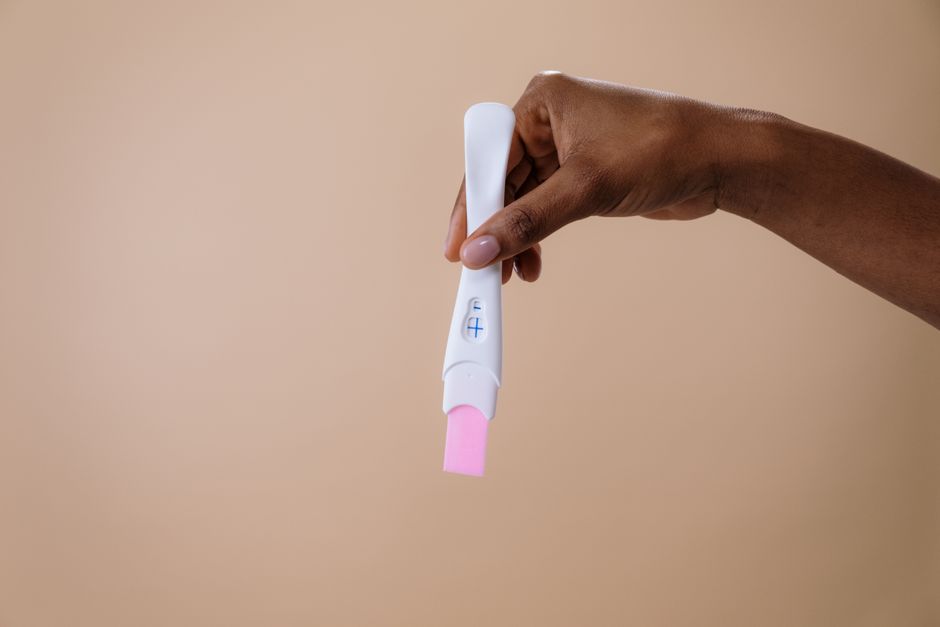
If you have LSIL on a Pap test, or you have been told you need a LEEP, your first question is often about fertility and pregnancy. Here is the short answer: LSIL by itself does not affect fertility. A LEEP can slightly raise the risk of certain pregnancy complications, mainly preterm birth, but most people who have one go on to have normal pregnancies. HPV does not cause infertility either.
Those three things — LSIL, LEEP, and HPV — often get talked about as one problem. They are actually different stages of the same story, and each one has a different effect on your reproductive health. Understanding which is which makes the whole picture much less frightening.
What Is LSIL and What Does It Mean for Your Health?
LSIL stands for low-grade squamous intraepithelial lesion. It is a finding on a cervical screening test, not a disease in itself.
When a lab looks at your cervical cells under a microscope, it grades what it sees. LSIL means some cells look mildly abnormal. The cause is almost always an active HPV infection. The key word here is “low-grade.” These changes are the mildest abnormal category above normal, and they are not cancer.
Here is the part many people do not realize. Most LSIL clears on its own. The immune system suppresses the HPV infection, and the cervical cells return to normal. This is why guidelines from major medical bodies generally recommend watching LSIL rather than treating it right away, especially in younger people. Treatment is reserved for cases that persist or worsen.
LSIL does not spread to your uterus, ovaries, or fallopian tubes. It does not change your hormones. It does not block anything. This is why it has no direct effect on your ability to conceive.
Does Lsil Affect Fertility Leep Hpv And Pregnancy? The Core Answer
No — LSIL and HPV do not reduce fertility, and a LEEP does not prevent pregnancy. The concern with LEEP is not about getting pregnant. It is about a small increase in the risk of certain complications during pregnancy.
Fertility depends on ovulation, healthy fallopian tubes, the uterus, and sperm. None of these are touched by LSIL, HPV, or a LEEP. The cervix is the opening at the bottom of the uterus. A LEEP removes a thin layer of abnormal tissue from the cervix. It does not remove the uterus or the ovaries.
What a LEEP can do is change the cervix slightly. The cervix produces some of the mucus that helps sperm travel, and it plays a role in holding a pregnancy in place as it grows. Removing tissue can affect both of these to a small degree. That is where the pregnancy questions come from.
The important distinction: reduced fertility is not the issue. A modest increase in preterm birth risk is. Those are two different things, and conflating them causes unnecessary fear.
How Does HPV Affect Fertility and Pregnancy?
HPV does not cause infertility. There is no evidence that the virus interferes with ovulation, egg quality, sperm, or the ability to conceive.
HPV is extremely common. Most sexually active adults will have it at some point, and most infections clear without any treatment. Because it is so common, it has been studied extensively in the context of pregnancy. The consistent finding is that HPV infection on its own does not prevent pregnancy or cause miscarriage.
There is one situation worth separating out. A procedure called a cone biopsy, which removes a larger piece of the cervix than a LEEP, can affect the cervix more significantly. Some research suggests this larger procedure has a greater impact on pregnancy outcomes than LEEP does. This matters because the amount of tissue removed is often more important than the name of the procedure.
HPV itself is not treated directly, because there is no medication that clears the virus. What gets treated are the cell changes it can cause. That distinction matters when you are trying to understand your own risk.



What Is a LEEP and Why Is It Done?
A LEEP stands for loop electrosurgical excision procedure. It uses a thin wire loop with a low-voltage electrical current to remove abnormal cervical tissue.
It is usually done when a Pap test or colposcopy shows moderate to severe cell changes — not for simple LSIL. The goal is to remove the abnormal cells before they have a chance to develop into cancer. This is a treatment that has genuinely reduced cervical cancer rates.
The procedure is typically quick. It is often done in a clinic with local numbing. Most people return to normal activities within a day or two. Bleeding and discharge for a short period afterward are common.
One point that gets lost: a LEEP is treatment for abnormal cells, not for HPV itself. The virus may still be present afterward. That is why follow-up testing matters, and why some people need more than one procedure over time.
Can a LEEP Affect Your Ability to Get Pregnant?
A LEEP does not affect your ability to conceive. This is one of the most common worries, and the evidence does not support it.
The procedure does not touch the ovaries, so ovulation is unaffected. It does not touch the fallopian tubes, so egg transport is unaffected. It does not remove the uterus, so implantation is unaffected. Conception depends on these structures, and none of them are involved in a LEEP.
There is a theoretical concern that scarring or narrowing of the cervix could make it harder for sperm to pass through. In practice, this is not a recognized cause of infertility in the medical literature. Some clinicians note that cervical mucus changes after a LEEP, but this has not been shown to meaningfully reduce pregnancy rates.
If you are struggling to conceive after a LEEP, the procedure is very unlikely to be the reason. Other causes should be investigated the same way they would be for anyone else.
Does a LEEP Increase the Risk of Pregnancy Complications?
A LEEP is associated with a modest increase in the risk of preterm birth. This is the main pregnancy concern, and it is real but often overstated.
The cervix plays a role in supporting a growing pregnancy. When tissue is removed, the cervix may be slightly weaker or shorter. Some studies suggest this can raise the chance of preterm delivery. The increase is generally described as modest, not dramatic, and most people who have had a LEEP deliver at term.
The amount of tissue removed matters. A shallow excision appears to carry less risk than a deeper one. If you have had more than one LEEP, or a cone biopsy, the effect may be larger. This is why some clinicians recommend a cervical length check during pregnancy for people with a history of these procedures.
What is not established is a clear, universal threshold for who needs extra monitoring. Practice varies. If you are pregnant or planning to be, tell your obstetric provider about any cervical procedures you have had. That history should be part of your care plan.
- Preterm birth: the most consistently reported association with LEEP
- Fertility: not affected by LEEP, LSIL, or HPV
- Miscarriage: not clearly linked to LEEP in most research
- Cervical weakness: possible after larger excisions, sometimes managed with monitoring
What Should You Do If You Have LSIL or Need a LEEP?
Follow your screening schedule. LSIL is usually monitored rather than treated, and skipping follow-up is the real risk.
If you are offered a LEEP, ask why. A LEEP is not typically done for simple LSIL. It is done when cell changes are more significant. Understanding the reason helps you weigh the benefit of removing abnormal cells against the small pregnancy risk.
If you hope to become pregnant, tell your provider before the procedure. The timing and depth of the excision can sometimes be adjusted. This is a reasonable conversation to have.
If you are already pregnant and have a history of LEEP or cone biopsy, make sure that is in your records. Your provider may recommend monitoring your cervical length. This is a widely used approach, though the evidence for exactly who benefits most is still being studied.
The bottom line: LSIL, HPV, and LEEP are about cervical cell health, not fertility. The pregnancy consideration with LEEP is real but modest, and it is something to discuss with your provider — not something to fear.
Frequently Asked Questions
Does LSIL affect fertility?
No. LSIL is a finding of mildly abnormal cervical cells and does not affect ovulation, the uterus, or the fallopian tubes, so it does not reduce fertility.
Can I get pregnant after a LEEP procedure?
Yes. A LEEP does not affect the ovaries or uterus, so it does not prevent pregnancy, and most people conceive normally afterward.
Does HPV cause infertility?
No. HPV infection does not interfere with ovulation, egg quality, or the ability to conceive, and most infections clear on their own without treatment.
Does a LEEP increase the risk of preterm birth?
It is associated with a modest increase in preterm birth risk, mainly when more tissue is removed. Most people who have had a LEEP still deliver at term.
