
Mold in your home is more than an eyesore. It can damage walls, floors, and furniture, and it can trigger allergy symptoms in sensitive people. To destroy mold effectively, you must address two things: the visible growth and the moisture feeding it. Kill the mold with a registered cleaner, remove the contaminated material if it is porous, and fix the water problem so it does not return within days.
What Actually Kills Mold?
Bleach is the most common household answer, but it is not always the right one. On non-porous surfaces like tile, glass, and sealed countertops, a diluted bleach solution is effective. On porous surfaces like drywall, wood, and ceiling tiles, bleach does not penetrate deep enough to kill the roots of the colony. The mold can regrow on the surface within weeks.
For porous materials, removal is the only real solution. Cutting out and replacing affected drywall or wood eliminates the problem entirely. For cleaning hard surfaces, an EPA-registered mold removal product or a simple detergent and water solution followed by thorough drying is often sufficient. The physical act of scrubbing removes the spores, and the drying prevents regrowth.
Vinegar and hydrogen peroxide are popular natural alternatives. Some research suggests undiluted white vinegar can kill many mold species on hard surfaces. Hydrogen peroxide at a 3% concentration also works as a disinfectant. Both are safer for indoor air quality than bleach fumes, but neither is a substitute for fixing the underlying moisture issue.
How To Destroy Mold Safely
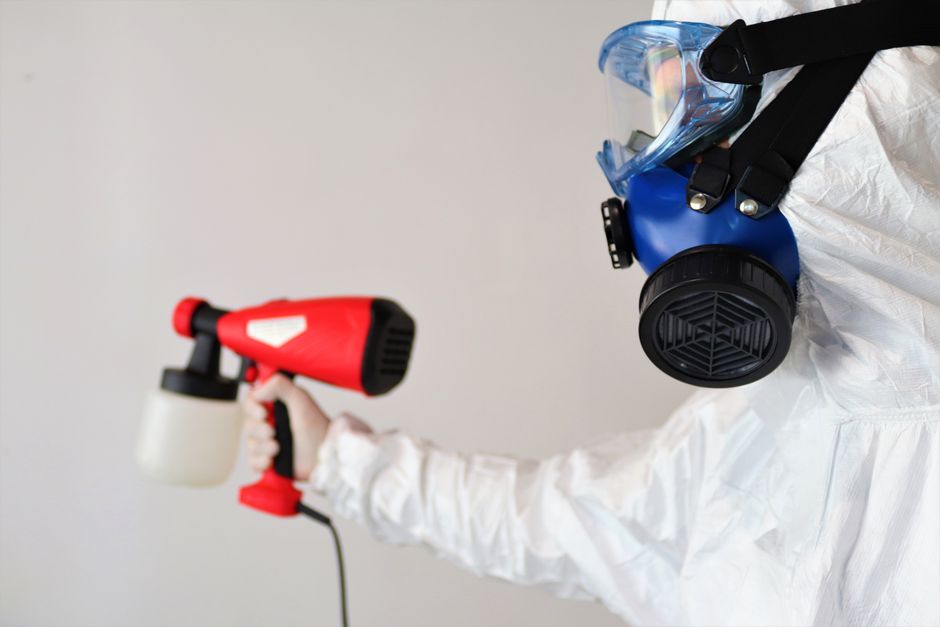
Before you start scrubbing, protect yourself. Mold spores become airborne when disturbed. Wear an N95 respirator mask, gloves, and goggles. Do not use a standard dust mask; it will not filter out spores effectively.
Contain the work area. Close doors and windows in the room and seal vents with plastic sheeting if the infestation is large. This prevents spores from traveling to other parts of the house. For small areas, like a patch of mold on a bathroom ceiling, simple ventilation with an open window and a fan blowing outward is usually enough.
Never mix bleach with ammonia or other cleaning products. This combination produces toxic chlorine gas. If you use bleach, keep the area ventilated and use a solution of no more than one cup of bleach per gallon of water.
When To Call a Professional
The Environmental Protection Agency and many public health authorities recommend professional help for areas larger than about 10 square feet. This is roughly the size of a small bathroom wall. If mold covers a larger area, or if it is inside your HVAC system, professional remediation is the safer path.
Professional mold remediation companies have commercial-grade equipment, negative air pressure machines, and proper containment protocols. They can also identify the source of the moisture, which is often hidden behind walls or under floors. If you have health conditions like asthma, a weakened immune system, or a mold allergy, do not attempt to clean large infestations yourself.
If you smell mold but cannot see it, you have a hidden problem. Mold can grow inside wall cavities, under carpet, or behind appliances. A professional with moisture meters and borescopes can locate the source without tearing your home apart blindly.




Why Mold Keeps Coming Back
Mold spores exist everywhere, indoors and out. They are nearly impossible to eliminate completely. What you can control is the environment that allows them to grow. Mold needs three things: a food source, a temperature range, and moisture. The food source is almost any organic material — wood, paper, drywall, dust, or fabric. The temperature range overlaps with human comfort. The only variable you can realistically control is moisture.
If you clean mold but ignore a leaking pipe, a damp crawlspace, or poor bathroom ventilation, the mold will return. The cleaning is temporary. The moisture is the permanent problem. Fix the leak, dry the area, and lower the humidity before you bother scrubbing the visible growth.
Indoor humidity above 60% creates ideal conditions for mold. Keeping indoor humidity between 30% and 50% is the standard recommendation for preventing growth. A dehumidifier in basements or damp climates is often the most effective tool you own.
How To Prevent Mold After Cleaning
Prevention is simpler than removal. Identify the moisture source first. Check for plumbing leaks, roof damage, and poor drainage around your foundation. Gutters should direct water away from the house, and the ground should slope away from the foundation walls.
Ventilation is critical in high-moisture rooms. Bathrooms need exhaust fans that vent to the outside, not into the attic. Run the fan during showers and for 20 to 30 minutes after. Kitchen range hoods should vent outside as well. Dryer vents must terminate outdoors, never into a crawlspace or attic.
Fix any condensation issues. Cold surfaces like windows, pipes, and air conditioning lines can collect moisture. Insulate these surfaces to reduce condensation. In humid climates, air conditioning itself removes moisture from the air, so keeping the system running and maintained helps more than you might expect.
After any water event — a flood, a burst pipe, or even a heavy spill — dry the area within 24 to 48 hours. Mold can begin growing within that window. Fans, dehumidifiers, and removing wet carpet and padding quickly are the difference between a dry-out and a remediation project.
Common Mold Myths
The internet is full of mold advice that is not backed by evidence. One common claim is that bleach kills mold on any surface. As discussed, this is only true for non-porous materials. On drywall and wood, bleach can actually make the problem worse by adding moisture to the material.
Another myth is that mold can be killed permanently with sprays or foggers. Some products claim to “encapsulate” mold and seal it in place. This is not a substitute for removal. Dead mold spores can still trigger allergic reactions in sensitive people. The only safe approach is physical removal of the contaminated material.
Some people believe that painting over mold solves the problem. It does not. The mold continues to grow beneath the paint and will eventually break through. Any surface must be cleaned and dried completely before painting, and if the mold has penetrated the material, the material must be replaced.
Finally, there is no evidence that “toxic black mold” causes the severe neurological symptoms described in viral stories. Certain molds, including Stachybotrys chartarum, can produce toxins, but the health effects in most people are limited to allergy-type symptoms. People with compromised immune systems or chronic lung conditions are at greater risk, but the dramatic claims of memory loss and organ damage are not supported by clinical evidence.
Mold in Special Situations
Mold in heating and air conditioning systems requires professional attention. Cleaning a duct system yourself is rarely effective, and disturbing the mold can spread spores throughout the house. If mold is visible on the HVAC unit itself, turn the system off and call a professional.
After flooding, assume everything that got wet is contaminated. Porous items like mattresses, upholstered furniture, and carpet padding should be discarded. Hard surfaces can be cleaned. The Federal Emergency Management Agency and other authorities recommend discarding items that cannot be thoroughly cleaned and dried.
In rental properties, tenants should notify the landlord in writing about any mold problem. Landlords have a responsibility to maintain habitable living conditions, and documentation protects the tenant if the issue is not addressed.
How To Destroy Mold on Specific Surfaces
Different materials require different approaches. Drywall and ceiling tiles that are visibly moldy should be cut out and replaced. The mold penetrates the paper facing and the gypsum core, and cleaning cannot reach it all.
Hardwood floors are trickier. If the mold is on the surface, sanding and refinishing may work, but only if the wood is not structurally compromised. If the wood is soft, warped, or deeply stained, replacement is the safer option.
Concrete and brick are non-porous enough to clean effectively. A stiff brush, detergent, and water will remove surface mold. In basements, mold on concrete walls is often a symptom of a moisture problem from outside, so address drainage and waterproofing after cleaning.
Clothing and fabrics can often be saved. Wash them in hot water with detergent. If the mold stain remains, treat it with a commercial stain remover before washing again. Heavily moldy items with a persistent musty odor may need to be discarded.
Frequently Asked Questions
Does bleach kill mold on drywall?
No. Bleach only works on non-porous surfaces like tile and glass. On drywall, it cannot penetrate deep enough to kill the mold roots, so the mold will regrow.
Can I clean mold myself or should I hire a professional?
You can clean small areas under about 10 square feet yourself with proper protective gear. Larger infestations or mold inside HVAC systems should be handled by a professional remediation company.
How long does it take for mold to grow after water damage?
Mold can begin growing within 24 to 48 hours of water exposure. Drying the area quickly with fans and dehumidifiers is the most important step in preventing growth.
Is black mold dangerous to my health?
Mold can trigger allergy symptoms like sneezing, coughing, and eye irritation in sensitive people. Severe neurological effects from so-called toxic black mold are not supported by clinical evidence.
