
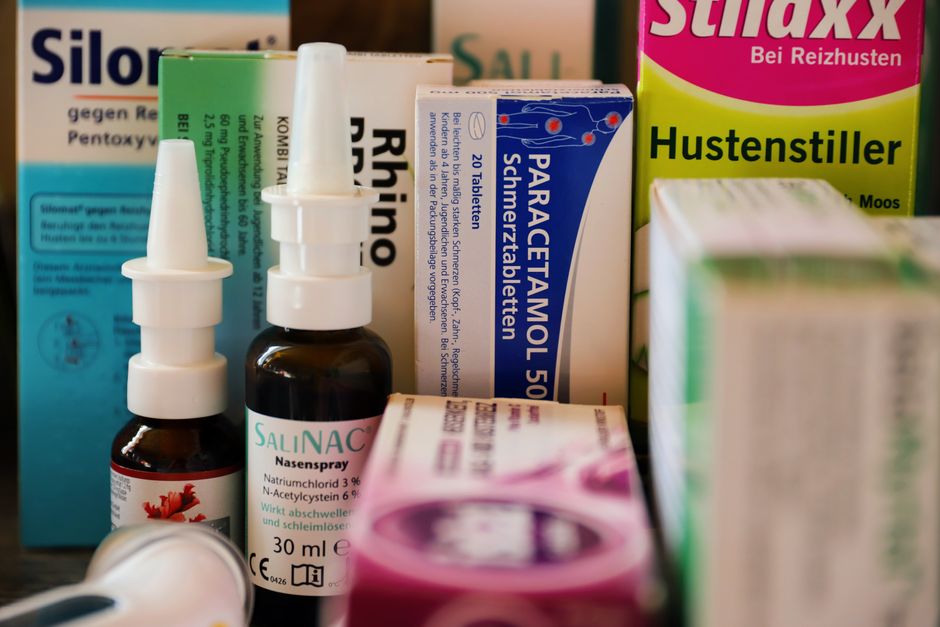
Nasal congestion happens when the blood vessels inside your nose swell and the tissues lining your nasal passages become inflamed. This swelling narrows the space for air to move through, which is why you feel blocked up. The most effective way to deal with it is to reduce that swelling and thin out the mucus, not to force air through a completely blocked passage. Simple methods like using a saline rinse, applying a warm compress, and staying well hydrated work by targeting the physical causes of the blockage directly.
Why Does Your Nose Get Blocked in the First Place?
Understanding why congestion happens helps you choose the right fix. The nose is lined with soft tissue that contains many small blood vessels. When your body detects an irritant — like a virus, pollen, dust, or even dry air — it sends extra blood to that area. The blood vessels widen, and the tissue swells.
At the same time, your nose produces more mucus. This is your body’s way of trapping the irritant and flushing it out. The combination of swollen tissue and thicker mucus is what creates that stuffed-up feeling. It is not actually about too much mucus blocking the passage. In many cases, the swelling alone is enough to close the airway.
This explains why blowing your nose hard often does not help much. You are clearing some mucus, but the swollen tissue remains. Effective treatment needs to address the swelling itself, not just the fluid.
What Is the Fastest Way to Open a Blocked Nose?
For quick relief, a saline nasal spray or rinse is one of the most reliable options. Saline is simply salt water mixed to match the natural salt level of your body. It works by thinning the mucus and gently washing out irritants. It does not contain medicine, so it is safe to use frequently throughout the day.
Steam is another fast option. Breathing in warm, moist air helps loosen thick mucus and soothes irritated tissues. You can do this by taking a hot shower and breathing deeply, or by filling a bowl with hot water, leaning over it, and placing a towel over your head to trap the steam. Keep your face at a comfortable distance to avoid burns. Five to ten minutes is usually enough to feel some relief.
Warm compresses applied to the outside of your nose and forehead can also help. The warmth increases blood flow to the area, which can help drain the sinuses and reduce pressure. It is a simple method that works well alongside other treatments.
How To Deal With Nasal Congestion Tips That Work for Long-Term Relief
For congestion that lasts more than a few days, the approach needs to shift. The goal is to keep the nasal passages moist and reduce ongoing inflammation. Dry air is a common culprit that makes congestion worse, especially indoors during winter. Using a cool-mist humidifier in your bedroom can keep the air from drying out your nasal passages overnight.
Hydration matters more than most people realize. Drinking enough water throughout the day keeps your mucus thin and easier to move. When you are dehydrated, mucus becomes thicker and stickier, which makes congestion feel worse. There is no single perfect amount of water that works for everyone, but drinking regularly throughout the day is a good baseline.
Sleeping with your head elevated can make a noticeable difference. Lying flat allows mucus to pool in your nasal passages and sinuses. Propping your head up with an extra pillow uses gravity to help drainage. This is not a cure, but it can reduce the feeling of blockage at night and help you sleep better.
If you have allergies, identifying and avoiding the trigger is more effective than any decongestant. Common triggers include dust mites, pet dander, and pollen. Washing bedding in hot water weekly and keeping pets out of the bedroom are practical steps that reduce your exposure. Antihistamines can help if allergies are the cause, but they work best when taken regularly during allergy season, not just when symptoms appear.





When Should You Use a Decongestant Spray or Pill?
Decongestant sprays like oxymetazoline work by narrowing the blood vessels in your nose. This reduces swelling quickly and opens the airway within minutes. They are very effective for short-term relief, such as during a bad cold or before a flight when sinus pressure can cause pain.
However, these sprays come with a serious warning. Using them for more than three consecutive days can lead to a condition called rebound congestion. Your nasal tissues become dependent on the medication to stay open. When the spray wears off, the swelling returns worse than before. This creates a cycle where you need the spray more often just to breathe normally. Many people end up using these sprays for weeks or months, which is difficult to stop.
Oral decongestants like pseudoephedrine are another option. They work throughout your body to reduce swelling in the nasal passages. They can be effective, but they also have side effects. They can raise blood pressure and heart rate, and they may cause insomnia or jitteriness. People with high blood pressure, heart conditions, or anxiety should check with a doctor before using them.
The general rule is to use decongestants for the shortest time needed. For sprays, that means no more than three days. For pills, following the label instructions and stopping as soon as symptoms improve is the safest approach.
Do Nasal Strips and Neti Pots Actually Work?
Nasal strips work differently from other treatments. They are adhesive bands that stick to the outside of your nose and physically pull the nostrils open. They do not reduce swelling or thin mucus. Instead, they widen the nasal passage from the outside. This makes them useful for congestion caused by structural issues, such as a deviated septum, or for people who get stuffy at night when lying down. They are not effective for congestion caused by a cold or allergies because they do not address the underlying inflammation.
Neti pots and saline rinse bottles use a different method. They flush the nasal passages with a saltwater solution. This removes mucus, allergens, and irritants directly from the nose. When used correctly, they are safe and effective. The key is to use distilled, sterile, or previously boiled water. Tap water that has not been boiled can contain organisms that are safe to swallow but dangerous if trapped in the nasal passages. This is a well-documented risk, and the guidance from health authorities is clear: never use untreated tap water in a neti pot.
What Makes Nasal Congestion Worse Without You Knowing?
Some common habits make congestion harder to treat. Blowing your nose too hard is one of them. Forceful blowing can push mucus back into your sinus cavities, which increases pressure and can lead to a sinus infection. Gentle blowing, one nostril at a time, is safer.
Certain medications can cause congestion as a side effect. Some blood pressure medications, birth control pills, and medications for erectile dysfunction can cause nasal swelling. If you notice congestion that started around the same time as a new medication, talk to your doctor about whether it could be related.
Pregnancy is another cause that is often overlooked. Hormonal changes during pregnancy increase blood flow to the nasal passages, which can cause congestion that lasts for weeks or months. This is called pregnancy rhinitis. It is not dangerous, but it is uncomfortable. Saline sprays and humidifiers are safe options during pregnancy. Decongestants should only be used under a doctor’s supervision, as not all are considered safe for pregnant women.
When Is Nasal Congestion a Sign of Something More Serious?
Most nasal congestion clears up on its own within a week to ten days. But there are signs that you should see a doctor. If congestion lasts longer than two weeks without improvement, it may indicate a chronic condition like sinusitis or nasal polyps. If you have congestion along with a high fever, severe facial pain, or vision changes, seek medical attention promptly.
Congestion that affects only one side of your nose for a long period is also worth checking. This can sometimes indicate a structural problem or, in rare cases, a growth inside the nasal cavity. It is not something to panic about, but it is something a doctor should evaluate.
For children, congestion needs extra attention. Infants under three months old breathe primarily through their noses. They cannot easily switch to mouth breathing when their nose is blocked. If a young infant has congestion that interferes with feeding or breathing, contact a pediatrician. Saline drops and a bulb syringe are often recommended for infants, but you should always follow a doctor’s guidance for babies.
Frequently Asked Questions
How long does nasal congestion usually last?
For a common cold, congestion typically lasts seven to ten days. If it persists beyond two weeks, it may be caused by allergies, sinusitis, or another condition that needs evaluation.
Is it safe to use a decongestant spray every day?
No, decongestant sprays should not be used for more than three days in a row. Longer use can cause rebound congestion, where your nose becomes more blocked than before the spray was used.
Can nasal congestion be a symptom of COVID-19?
Yes, nasal congestion can occur with COVID-19, but it is also a symptom of many other respiratory infections. Testing is the only reliable way to know if your congestion is caused by COVID-19.
Does drinking more water help clear a stuffy nose?
Staying hydrated helps keep mucus thinner and easier to move, which can reduce the feeling of blockage. It is not a standalone cure, but it supports other treatments and helps your body clear the congestion.
