
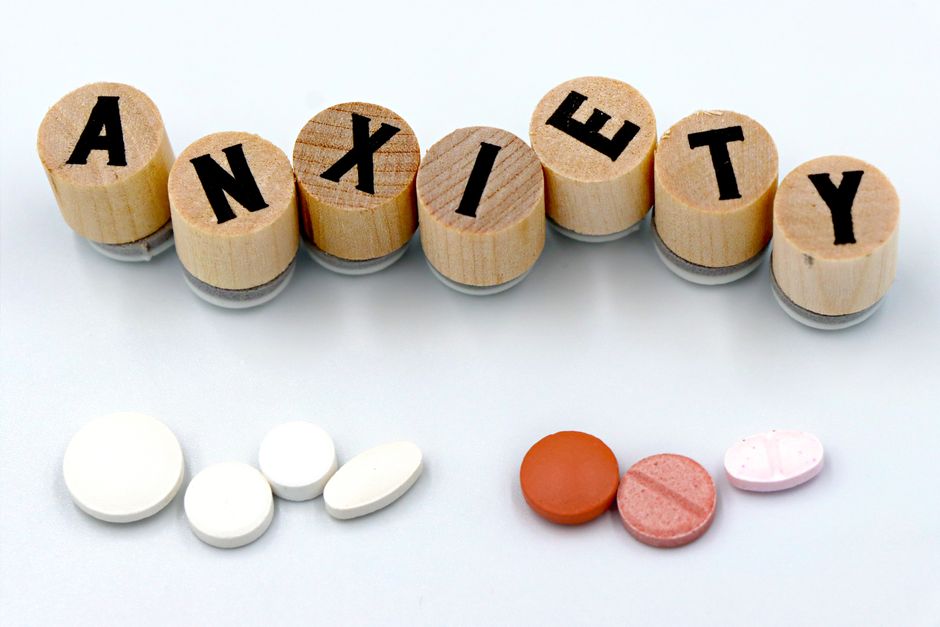
Crippling anxiety is not a character flaw or a sign of weakness. It is a real condition that affects how your brain and body respond to perceived threats, and it responds to specific, well-researched treatments.
The most effective approaches combine professional care — particularly cognitive behavioral therapy and, when appropriate, medication — with daily habits that calm the nervous system. No single strategy works for everyone, but the evidence consistently points to a handful of approaches that genuinely help.
What Makes Anxiety “Crippling” Instead of Normal?
Anxiety becomes crippling when it stops being a signal and starts being a wall. Everyone feels anxious before a job interview or a medical test. That is normal and even useful.
An anxiety disorder is different. It is persistent, disproportionate to the actual situation, and it interferes with daily functioning. You might avoid work, social situations, or even leaving your home. The worry does not switch off when the stressor passes.
The National Institute of Mental Health estimates that roughly one in five US adults lives with some form of anxiety disorder in any given year. That is not a small minority. It is a common human experience.
What happens in the brain is fairly well understood. The amygdala — a small almond-shaped structure deep in the brain — acts as an alarm system. In anxiety disorders, this alarm is oversensitive. It fires when there is no real danger. The prefrontal cortex, which normally provides rational override, becomes less able to quiet the alarm.
This is not something you can simply decide to stop. The brain circuitry involved operates below conscious control. That is why “just calm down” is useless advice.
How To Deal With Crippling Anxiety What Actually Helps Most
Cognitive behavioral therapy (CBT) has the strongest evidence base of any psychological treatment for anxiety disorders. Decades of research, including numerous randomized controlled trials, consistently show it reduces symptoms.
CBT works by identifying the thought patterns that fuel anxiety and gradually testing them against reality. A therapist might help you notice that you predict catastrophe in situations that usually turn out fine. Over time, the brain learns new associations.
Exposure therapy — a core component of CBT for anxiety — involves gradually facing the situations you fear, starting with the least frightening. This is not about “toughing it out.” It is a structured process that teaches the brain the feared outcome does not occur.
Medication can also help, particularly for moderate to severe anxiety. SSRIs (selective serotonin reuptake inhibitors) and SNRIs (serotonin-norepinephrine reuptake inhibitors) are commonly prescribed and have been studied extensively. Benzodiazepines like Xanax or Valium work quickly but carry a risk of dependence and are generally recommended only for short-term use.
Which approach is best depends on severity, personal history, and preference. Many people benefit from both therapy and medication together.
Can Lifestyle Changes Really Make a Difference?
Lifestyle changes are not a replacement for professional treatment when anxiety is severe. But they can reduce the baseline level of arousal your nervous system operates at, which makes everything else more manageable.
Sleep matters more than most people realize. Sleep deprivation amplifies amygdala reactivity. Research using brain imaging has shown that even one night of poor sleep can increase emotional reactivity the next day. Adults generally need seven to nine hours.
Exercise has a modest but real effect on anxiety symptoms. Aerobic exercise in particular appears to reduce anxiety sensitivity — the tendency to fear your own bodily sensations. You do not need to run marathons. Brisk walking several times a week is enough to see benefit in many studies.
Caffeine is worth examining. It triggers the same physical sensations as anxiety — racing heart, jitteriness, restlessness. For people prone to anxiety, caffeine can create a feedback loop where the physical symptoms are interpreted as danger. Reducing intake often helps.
Alcohol provides short-term relief but worsens anxiety overall. It disrupts sleep architecture and rebounds as the alcohol wears off, often producing heightened anxiety the next day.
-
 How To Stop An Anxiety Attack What Actually Helps?
-
How to Help Social Anxiety in Teenager? Tips That Actually Work
-
How to Slow Down Heart Rate Anxiety? What Actually Works
-
How to Help Someone with Depression Anxiety? Tips That Actually Work
-
The Genius Switch Reviews 2026. Side Effects & Scam-Checked





What About Breathing Techniques and Grounding?
Breathing techniques do not cure anxiety disorders. But they can interrupt the acute physical escalation that happens during a panic attack or a spike of intense anxiety.
When you are anxious, breathing tends to become shallow and rapid. This can cause lightheadedness, chest tightness, and tingling — symptoms that feel dangerous but are not. Slow, diaphragmatic breathing — breathing from the belly rather than the chest — can reverse some of these physical sensations.
A common approach is to breathe in for a count of four, hold for four, and exhale for six. The longer exhale activates the parasympathetic nervous system, which is the branch responsible for calming.
Grounding techniques use your senses to anchor attention to the present moment. The 5-4-3-2-1 method — noticing five things you can see, four you can touch, three you can hear, two you can smell, and one you can taste — is widely taught. It does not address the root of anxiety, but it can help you get through a difficult moment.
These techniques are tools, not treatments. They work best alongside therapy and other approaches.
When Should You Seek Professional Help?
You should seek professional help when anxiety interferes with your ability to work, maintain relationships, or care for yourself. You do not need to wait until things are unbearable.
Warning signs that professional support is needed include:
- Avoiding situations that matter to you because of anxiety
- Panic attacks that feel physically overwhelming
- Sleep disruption that persists for weeks
- Using alcohol or drugs to manage anxiety
- Thoughts of self-harm or suicide
If you are having thoughts of suicide, contact the 988 Suicide and Crisis Lifeline by calling or texting 988. This is available 24 hours a day in the US.
A primary care doctor can be a good starting point. They can screen for anxiety, rule out medical conditions that mimic it (like thyroid problems or heart arrhythmias), and refer you to a psychiatrist or psychologist.
Finding the right therapist sometimes takes a few tries. The therapeutic relationship matters. If you do not feel comfortable with one provider, it is reasonable to look for another.
Are There Treatments for Anxiety That Do Not Work?
Many things marketed for anxiety have little or no evidence behind them. It is worth knowing the difference between what is proven and what is sold.
Supplements like CBD, ashwagandha, and L-theanine have some preliminary research, but the studies are generally small, short-term, and sometimes industry-funded. No large, rigorous trial has confirmed they treat anxiety disorders. They are not regulated by the FDA the way medications are, meaning what is on the label may not match what is in the bottle.
Apps and online programs vary widely. Some structured digital CBT programs have been tested in clinical trials and show benefit. Others are relaxation tools with no evidence of treating an anxiety disorder.
Herbal remedies like kava have shown some promise in studies but carry a risk of liver damage. St. John’s Wort interacts with many medications, including birth control and antidepressants.
If a product claims to “cure” anxiety or promises results without therapy or medical evaluation, that is a red flag. Anxiety disorders are treatable, but treatment typically involves active participation, not passive consumption of a product.
How Long Does It Take to Feel Better?
Improvement with therapy usually takes weeks, not days. Many people notice some relief within the first few sessions, but meaningful change in anxiety symptoms often takes several months of consistent work.
Medication for anxiety typically takes four to six weeks to reach full effect. Some people respond sooner. Others need to try more than one medication before finding one that works.
Recovery is not linear. Good days and bad days are both normal. The goal is not to eliminate anxiety entirely — that is not realistic or even desirable. Anxiety serves a purpose. The goal is to reduce it to a level where it no longer controls your life.
Frequently Asked Questions
What is the fastest way to stop a panic attack?
Slow, diaphragmatic breathing with a longer exhale can help interrupt the physical escalation of a panic attack. Grounding techniques like the 5-4-3-2-1 method can also bring attention back to the present moment.
Can anxiety be cured without medication?
Many people successfully manage anxiety with therapy alone, particularly cognitive behavioral therapy. Whether medication is needed depends on severity and individual response, and this is a decision best made with a healthcare provider.
Is crippling anxiety a disability?
Severe anxiety disorders can qualify as a disability under the Americans with Disabilities Act if they substantially limit major life activities. A healthcare provider or employment attorney can help assess whether your situation meets the criteria.
What should I do if therapy is not working?
It may take trying a different therapist, a different therapy approach, or adding medication to see improvement. Discuss your concerns openly with your provider rather than stopping treatment on your own.
