
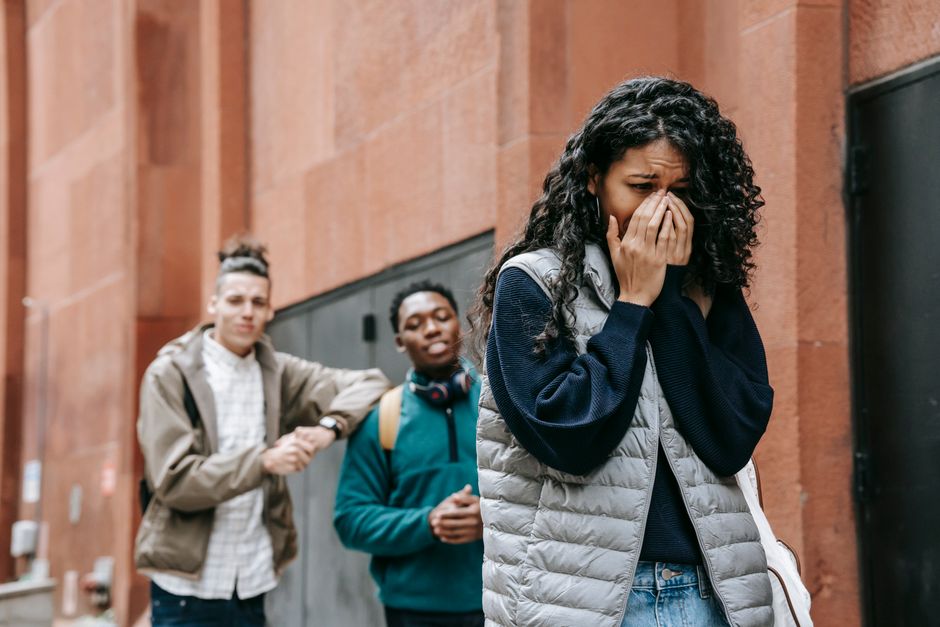
Social anxiety in teenagers is more than shyness. It is a recognized anxiety disorder in which a young person feels intense fear of being watched, judged, or embarrassed in everyday social situations. The most effective help combines professional treatment — especially cognitive behavioral therapy — with steady support at home and at school. Parents make a real difference by responding with understanding instead of pressure.
What Is Social Anxiety Disorder in Teens?
Social anxiety disorder is a mental health condition, not a personality trait. It is listed in the DSM-5, the diagnostic manual used by clinicians in the United States. Teens with this condition experience marked fear in situations where they might be observed or evaluated by others.
The fear goes beyond nervousness. It can trigger physical symptoms like a racing heart, sweating, trembling, blushing, nausea, or a shaky voice. Many teens also worry for days before an event and replay the situation afterward, convinced they embarrassed themselves.
Common triggers include speaking in class, eating in front of others, meeting new people, using a public restroom, or performing in any way. Some teens fear only a few situations. Others feel anxious in most social settings.
The typical age of onset is the teenage years, though younger children can also develop it. Social anxiety often goes unnoticed because teens are good at avoiding the situations that scare them. A teen who never raises a hand or skips lunch in the cafeteria may be quietly managing intense fear.
It matters because untreated social anxiety can affect school performance, friendships, and later career choices. It also frequently occurs alongside other conditions such as depression or other anxiety disorders. That overlap is one reason professional assessment is valuable.
How Do You Know If It Is Social Anxiety or Just Shyness?
The key difference is the level of distress and interference. Shyness is a temperament. It may make a teen quiet or slow to warm up, but it does not stop them from living their life.
Social anxiety disorder causes fear that is out of proportion to the actual situation. The teen recognizes the fear is excessive but cannot control it. The anxiety leads to avoidance, and that avoidance causes real problems — missing classes, declining invitations, or refusing to speak up even when they want to.
Signs that point toward a clinical problem rather than ordinary shyness include:
- Avoiding social situations entirely, or enduring them with intense distress
- Physical symptoms like blushing, sweating, or trembling in social settings
- Weeks of worry before and after a social event
- Declining grades or dropping activities they used to enjoy
- Withdrawing from family, friends, or both
- Using alcohol or other substances to feel comfortable in social settings
Only a qualified clinician can make a diagnosis. If several of these signs are present and lasting, an evaluation with a doctor or mental health professional is the right next step.
What Treatments Actually Work for Teen Social Anxiety?
Cognitive behavioral therapy, often called CBT, is the most studied treatment for social anxiety in teens, and research consistently supports its use. It helps teens identify the thoughts that fuel their fear and gradually face the situations they avoid.
A specific form called exposure therapy is central to this work. The teen approaches feared situations step by step, starting with something manageable. Over time, the brain learns that the situation is not actually dangerous. This is how anxiety loses its grip.
For some teens, medication may be recommended. Selective serotonin reuptake inhibitors, or SSRIs, are the medications most commonly prescribed for anxiety disorders in adolescents. Decisions about medication should be made with a qualified prescriber who can weigh benefits and risks for the individual teen.
Family involvement improves outcomes. When parents understand the condition and learn how to respond, they can support the therapy rather than accidentally working against it. Many treatment programs include a parent component for this reason.
What does not work is forcing a teen into feared situations without support. That approach can deepen the fear instead of reducing it. Gradual, supported exposure is different from pushing.





How Can Parents Help Social Anxiety in Teenager at Home?
Your response at home shapes how your teen experiences their anxiety. The goal is to be a steady, accepting presence while gently encouraging movement toward the things they fear.
Start by listening without trying to fix. When a teen says they are scared about a party, resist the urge to say “there is nothing to be scared of.” That response, however well-meant, tells them their feelings are wrong. Instead, acknowledge the fear and stay curious. “That sounds really hard. Tell me more” opens the door.
Avoid the two extremes of accommodation and pressure. Accommodation means arranging life around the anxiety — letting them skip every event, answering for them, or speaking on their behalf. This feels kind in the moment but feeds the disorder over time. Pressure means pushing them into situations before they are ready. The middle path is small, supported steps.
Some practical approaches that align with how exposure therapy works:
- Help your teen break a scary situation into smaller pieces
- Let them choose the first step, so they feel some control
- Stay nearby or check in by text if that helps them try
- Notice and name effort, not just outcomes
- Keep your own anxiety about their anxiety in check
Model calm confidence yourself. Teens learn a great deal from watching how the adults around them handle social situations and setbacks.
What Can Schools and Teachers Do to Help?
School is where many teens face their hardest social challenges. Teachers and counselors can make a meaningful difference when they understand what is happening.
A teen with social anxiety may not raise a hand even when they know the answer. They may dread group work, oral presentations, or being called on unexpectedly. Some schools allow accommodations, such as presenting to a small group instead of the whole class, or giving advance notice before calling on a student.
A school counselor can coordinate support and connect families with outside resources. If your teen has a formal diagnosis, you can request a meeting to discuss what help is available. Schools handle these requests differently, so it helps to ask what process applies in your district.
The most useful thing a teacher can do is avoid singling the teen out in ways that increase their fear, while still including them. Quiet encouragement and predictable routines reduce the sense of threat.
When Should You Seek Professional Help?
Seek help when anxiety is interfering with your teen’s daily life. That is the clearest signal. If they are avoiding school, losing friendships, or unable to do things they want to do, it is time to involve a professional.
Other signs that warrant an evaluation include anxiety that has lasted for months, physical symptoms that are distressing, or any signs of depression or self-harm. If your teen talks about hurting themselves, treat it as urgent and seek immediate help.
Start with your pediatrician or family doctor. They can rule out other causes and refer you to a mental health professional who works with adolescents. Look for a therapist trained in cognitive behavioral therapy, since that is the approach with the strongest evidence for this condition.
Getting help early tends to lead to better outcomes. Social anxiety is treatable, and many teens improve significantly with the right support. Reaching out is not a sign of failure. It is the responsible next step.
What Makes Anxiety Worse, and What to Avoid
Some common responses backfire, even when they come from love. Knowing what to avoid can be as useful as knowing what to do.
Do not dismiss or minimize the fear. Comments like “just relax” or “everyone gets nervous” can make a teen feel misunderstood and alone. Do not compare them to siblings or peers who seem more outgoing. Comparison adds shame to an already painful condition.
Avoid letting anxiety run the household. When the whole family rearranges plans to prevent any discomfort, the teen learns that avoidance works — which strengthens the disorder. This is a hard balance, because no parent wants to see their child suffer.
Also watch for coping behaviors that cause harm. Some teens use alcohol or drugs to feel less anxious in social settings. This can develop into a serious problem. If you notice this pattern, raise it with a professional.
Sleep, movement, and screen habits matter too. Poor sleep and heavy social media use can intensify anxiety for some teens, though the research on social media’s exact role is mixed. Encouraging healthy routines is reasonable, but it is not a substitute for treatment when the disorder is present.
Frequently Asked Questions
Can social anxiety in teens go away on its own?
Some mild anxiety improves with time and support, but social anxiety disorder often persists without treatment. Professional help like cognitive behavioral therapy gives teens the best chance of real improvement.
Should I force my teen to go to social events?
Forcing a teen into feared situations without support can deepen the anxiety rather than reduce it. Gradual, supported steps that the teen helps choose work better than pressure.
Is medication necessary for teen social anxiety?
Not always. Therapy is often the first treatment, and many teens improve without medication. A qualified prescriber can advise whether medication might help in a specific case.
How do I talk to my teen about their social anxiety?
Listen without dismissing the fear, and avoid saying there is nothing to worry about. Acknowledge how hard it feels, then gently explore small steps together.
