
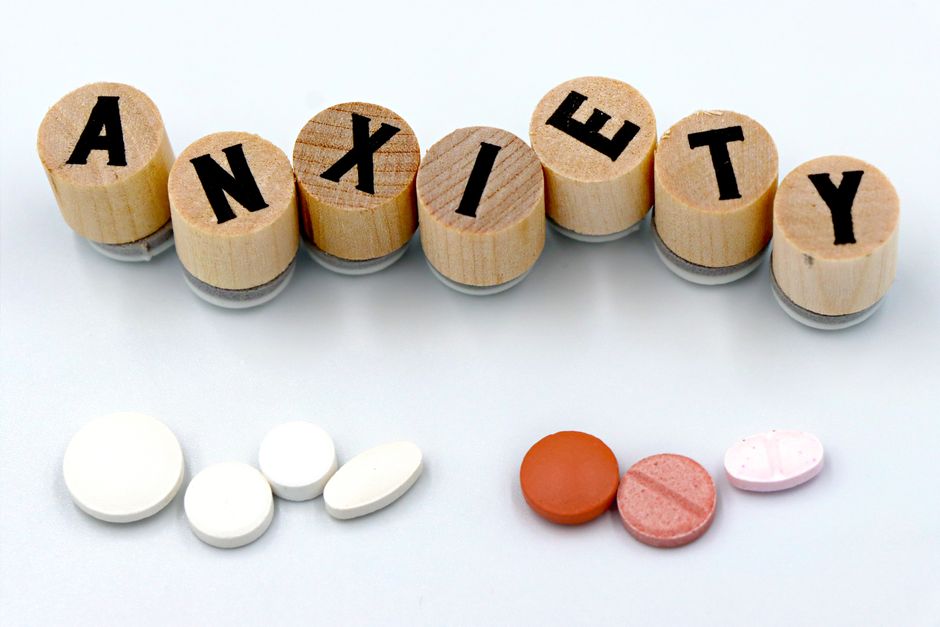
An anxiety attack is a sudden wave of intense fear that can feel overwhelming and physical. You might feel your heart racing, have trouble catching your breath, or feel like something terrible is about to happen. The first step to dealing with an anxiety attack is to ground yourself in the present moment, then use breathing techniques to calm your nervous system, and finally, remind yourself that the feeling is temporary and will pass.
What Does an Anxiety Attack Actually Feel Like?
Anxiety attacks are not just “feeling stressed.” They are a distinct physical and emotional experience. The symptoms come on suddenly and often peak within minutes. Common signs include a pounding heart, chest tightness, sweating, trembling, dizziness, and a feeling of choking. Many people also experience a sense of unreality or a fear that they are losing control.
These physical sensations happen because your body’s fight-or-flight response has been triggered. Your brain perceives a threat—real or imagined—and floods your system with adrenaline and cortisol. This is a normal biological process. It is not dangerous. It is your body’s alarm system working the way it was designed to work, even if it is going off at the wrong time.
It is important to know that an anxiety attack is not a heart attack, even though it can feel like one. The chest pain from anxiety is often sharp and localized, while heart attack pain is more often a heavy pressure that spreads. However, if you have any doubt about whether you are experiencing a medical emergency, seek medical help immediately. Do not try to diagnose yourself.
How To Deal With Anxiety Attacks in the Moment
When an anxiety attack hits, your brain is telling you that you are in danger. Your job is to tell your brain that you are safe. This takes practice, but the following techniques are the most effective ways to interrupt the cycle.
Breathe slowly and deeply. The fastest way to calm your nervous system is through your breath. Your exhale is the key. When you exhale longer than you inhale, you activate the parasympathetic nervous system, which is responsible for rest and digestion. Try this pattern: breathe in through your nose for four counts, hold for a moment, then breathe out slowly through your mouth for six counts. Repeat this for several minutes. It does not matter if you count fast or slow. What matters is that your exhale is longer than your inhale.
Use the 5-4-3-2-1 grounding technique. This pulls your attention away from the internal panic and back to the external world. Name five things you can see. Name four things you can touch. Name three things you can hear. Name two things you can smell. Name one thing you can taste. This forces your brain to process sensory information, which interrupts the spiral of anxious thoughts.
Move your body. If you can, stand up and walk around. Physical movement helps burn off the excess adrenaline that is causing your symptoms. Even walking to another room or stretching your arms overhead can help. The goal is not to exercise. The goal is to signal to your body that the threat is over and it is safe to stand down.
Why Do Anxiety Attacks Happen?
Anxiety attacks rarely have a single cause. They are usually the result of a combination of factors. These can include genetics, a history of trauma, chronic stress, sleep deprivation, caffeine, or certain medical conditions. Sometimes an attack happens in response to a specific trigger, like a stressful meeting or a difficult conversation. Other times, it seems to come out of nowhere.
One pattern that keeps anxiety attacks going is avoidance. If you have an attack in a certain place, you may start avoiding that place to prevent another attack. This provides short-term relief but actually makes anxiety worse over time. The brain learns that the place is dangerous because you avoided it. This is how panic can spread from one situation to many.
Another factor is hypervigilance. After having one anxiety attack, you may start paying close attention to your body for any sign of another one. You notice your heart beating a little faster and think, “Is this an attack?” This attention can actually trigger the very attack you are trying to prevent. It is a feedback loop that can be difficult to break without help.




Breathing Exercises and Physical Strategies That Work
Breathing exercises are the most studied and most effective immediate intervention for anxiety attacks. The technique described earlier—long exhale breathing—is supported by research on heart rate variability and stress reduction. Some studies suggest that slow breathing at a rate of about six breaths per minute is particularly calming, though the exact rate matters less than the pattern of a longer exhale.
Progressive muscle relaxation is another useful tool. This involves tensing a group of muscles for a few seconds, then releasing. Start with your feet and work your way up to your face. This technique helps because it gives your body a physical task to focus on and directly reduces muscle tension, which is a common physical symptom of anxiety.
Cold water can also help. Splashing cold water on your face or holding an ice cube in your hand can trigger the “mammalian dive reflex,” which slows your heart rate and redirects blood flow. This is not a cure, but it can be a useful way to interrupt a rising panic response.
Long-Term Ways To Reduce Anxiety Attacks
Dealing with an anxiety attack in the moment is one skill. Reducing how often they happen is another. The most effective long-term strategies are therapy, medication, and lifestyle changes.
Cognitive behavioral therapy (CBT) is the most well-established treatment for anxiety disorders. CBT helps you identify the thought patterns that fuel anxiety and teaches you to respond to them differently. Exposure therapy, which is a type of CBT, gradually and safely helps you face the situations you fear. Research consistently shows that CBT is effective for reducing the frequency and intensity of panic attacks.
Lifestyle factors matter too. Regular exercise is one of the most powerful tools for managing anxiety. It burns off stress hormones, improves sleep, and boosts mood-regulating chemicals in the brain. Aim for regular movement most days of the week. Caffeine and alcohol can both trigger or worsen anxiety attacks, so it is wise to be mindful of your intake. Poor sleep is a major contributor to anxiety, so prioritizing consistent, restful sleep is essential.
Some people benefit from medication. Antidepressants, particularly SSRIs, are commonly prescribed for anxiety disorders. These are not fast-acting—they typically take several weeks to work—but they can significantly reduce the frequency of attacks. Anti-anxiety medications like benzodiazepines work quickly but are generally intended for short-term use because they carry a risk of dependence. Medication decisions should always be made with a doctor who knows your full medical history.
When To Seek Professional Help
If anxiety attacks are interfering with your daily life, it is time to talk to a professional. This includes situations where you are avoiding work, school, or social activities because of fear. It also includes times when you are constantly worried about having the next attack.
A good starting point is your primary care doctor. They can rule out medical conditions that might be causing your symptoms, such as thyroid problems or heart rhythm issues. They can also refer you to a mental health specialist.
Therapy is not a sign of weakness. It is a practical step toward regaining control. A therapist can teach you specific skills for managing attacks and help you understand the root causes of your anxiety. If you are having thoughts of harming yourself or feel completely overwhelmed, reach out to a crisis line or go to an emergency room. You do not have to handle this alone.
Frequently Asked Questions
How long does an anxiety attack last?
Most anxiety attacks peak within 10 minutes and resolve within 20 to 30 minutes. Some people experience symptoms that linger for an hour or more, especially if they remain in a stressful situation.
Can you stop an anxiety attack once it starts?
You cannot instantly stop it, but you can shorten it and reduce its intensity. Slow breathing with a longer exhale and grounding techniques are the most effective ways to calm your nervous system during an attack.
What is the difference between an anxiety attack and a panic attack?
Anxiety attacks are not an official medical diagnosis, while panic attacks are defined in the DSM-5. Panic attacks typically come on suddenly with intense fear and physical symptoms, while anxiety often builds gradually in response to a stressor.
Is it safe to be alone during an anxiety attack?
Anxiety attacks are not physically dangerous, and being alone is generally safe. However, if your symptoms feel like a heart attack or you are unsure, seek medical attention to rule out other causes.
