
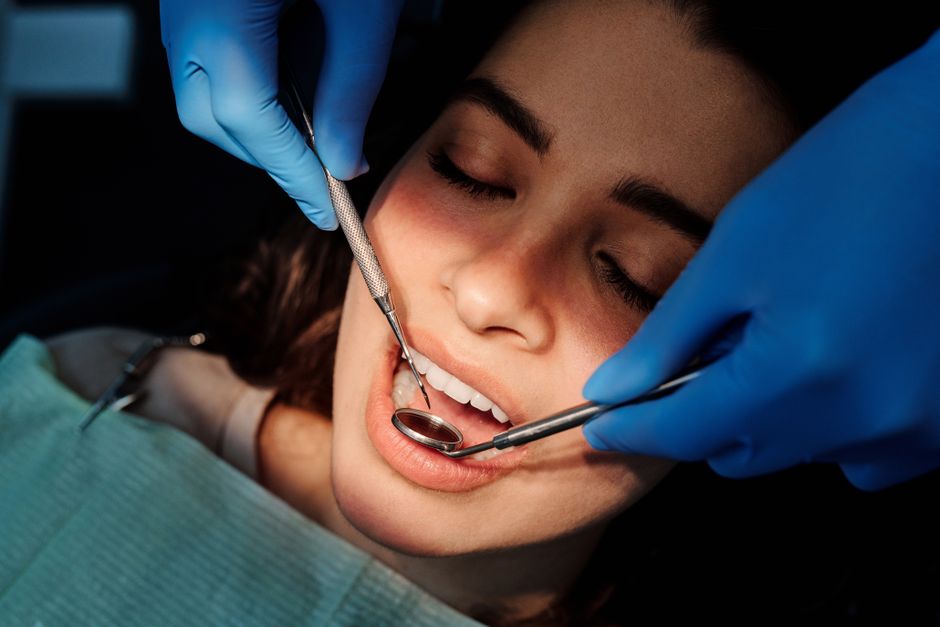
A chipped tooth is rarely a dental emergency, but it does need attention. The steps are straightforward: save any broken piece, rinse your mouth with warm water, cover a sharp edge with dental wax or sugar-free gum if it cuts your tongue, and call a dentist. Small chips can often be smoothed or bonded the same day, while larger breaks that expose the inner tooth may need a crown or root canal treatment. Until you are seen, avoid very hot or cold foods and chew on the other side of your mouth.
How To Deal With A Chipped Tooth: Steps Repair Options
The right response depends on how much tooth structure is missing and whether the inner layers are exposed. A small enamel chip that leaves a rough edge is usually a cosmetic and comfort problem. A deeper break that reaches the dentin or the pulp is a different situation and often comes with pain.
Here is what to do in the first hour:
- Save the fragment. If a piece broke off, keep it. A dentist may be able to reattach it. Store it in milk or saliva, not water.
- Rinse gently. Warm water, not hot. Swish and spit. Do not scrub the area.
- Stop any bleeding. If the gum is bleeding, apply gentle pressure with clean gauze for about ten minutes.
- Cover sharp edges. Dental wax from a pharmacy works well. Sugar-free gum is a reasonable substitute in a pinch.
- Manage pain. An over-the-counter pain reliever can help. Follow the label. Do not put aspirin directly on the gum — it can burn the tissue.
- Watch temperature. Sensitivity to hot and cold often means the dentin is exposed and needs a dentist soon.
One thing worth knowing: a tooth that is sensitive to heat specifically, or that wakes you up at night, is a stronger signal than cold sensitivity alone. That pattern suggests the pulp — the nerve and blood vessel tissue inside the tooth — may be involved. It is not something to wait out.
Is a chipped tooth a dental emergency?
Most chipped teeth are not emergencies. You can usually wait a day or two for a normal appointment.
Some situations are different. Call a dentist right away, or go to an urgent care clinic that handles dental cases, if:
- The break is large and you can see a pink or red area in the middle of the tooth.
- You have ongoing pain that does not respond to over-the-counter medication.
- The tooth is loose or has shifted position.
- There is uncontrolled bleeding from the gum.
- The chip came with a blow to the head or face.
A tooth that is fully knocked out is a true emergency. That is a different injury from a chip, and the timeline matters a great deal — a dentist may be able to reimplant a permanent tooth if you get help quickly. Handle it by the crown, not the root, and keep it moist.
What repair options exist for a chipped tooth?
Dentists choose a repair based on how much tooth is gone and whether the nerve is affected. The main options, from smallest to largest, are smoothing, bonding, a filling, a veneer, a crown, and root canal treatment with a crown.
| Repair | Typical use | What it involves |
|---|---|---|
| Smoothing and polishing | Very small enamel chips with a rough edge | Reshaping the edge with a fine drill or polishing strip |
| Dental bonding | Small to moderate chips on front teeth | A tooth-colored resin is applied and hardened with a light |
| Filling | Chips on back teeth or where chewing force is high | Composite or other filling material rebuilds the missing area |
| Veneer | Front teeth with visible or larger chips | A thin custom shell is bonded to the front surface |
| Crown | Large breaks where much of the tooth is lost | A cap covers and protects the remaining tooth |
| Root canal plus crown | Break reaches the pulp or the tooth is painful | The inner nerve tissue is removed, then the tooth is capped |
Bonding is the most common fix for a simple chip. It is usually done in one visit and does not require removing much healthy tooth. Bonding resin can stain over time and may chip again, so it is not permanent. Crowns last longer but cost more and involve more preparation of the tooth.
If a dentist tells you the pulp is exposed, a root canal is often the only way to keep the tooth. Without it, the tissue inside can become infected. That infection does not resolve on its own.




Can a chipped tooth heal on its own?
No. Enamel does not grow back. Unlike bone, which remodels and repairs, enamel is a mineralized tissue with no living cells to rebuild it once it is gone.
Small chips sometimes feel better over time as the sharp edge wears down slightly from normal use. That is not healing. The missing structure is still missing, and the rough edge can trap plaque or cut the tongue.
A chip also weakens the tooth. Cracks tend to spread under repeated chewing force. What starts as a small cosmetic chip can become a larger break. That is the main reason to have even a minor chip looked at rather than ignored.
What causes teeth to chip?
Most chips come from a few common causes. Knowing yours can help prevent the next one.
- Biting hard objects. Ice, popcorn kernels, hard candy, and pens are frequent culprits.
- Untreated grinding. Grinding or clenching, especially during sleep, puts heavy force on teeth night after night.
- Trauma. Falls, sports injuries, and accidents.
- Old fillings. A large filling can act as a wedge and weaken the surrounding tooth over time.
- Weakened enamel. Acid erosion from diet or reflux, and dry mouth from reduced saliva, can leave teeth more brittle.
Grinding is worth singling out because it is often invisible to the person doing it. If you wake with jaw soreness or headaches, or a partner mentions the noise, that is a sign to ask a dentist about a night guard.
How much does chipped tooth repair cost?
Costs vary widely by region, dentist, and how much work is needed. Rather than quote figures that may be out of date, it is more useful to understand the general range from least to most expensive.
Smoothing and polishing is the least costly because it takes only minutes. Bonding is next. Fillings, veneers, and crowns cost progressively more, with crowns at the higher end because they are custom-made. A root canal adds a significant additional cost on top of the crown.
Dental insurance often covers repairs that restore function, such as fillings and crowns, but may cover purely cosmetic work at a lower rate or not at all. It is worth asking your dentist’s office for a written estimate and checking with your insurer before treatment. Many offices offer payment plans.
Do not let cost be the reason to skip an exam. A short visit to assess the chip is inexpensive, and knowing whether you need treatment now or can wait is worth the trip.
How can you prevent chipping a tooth again?
Some prevention is obvious. Do not chew ice or hard candy. Do not use your teeth to open packages. Wear a mouthguard for contact sports.
Other steps are less obvious but matter more over time:
- Ask a dentist about a night guard if you grind.
- Treat acid reflux, which can erode enamel and leave teeth weaker.
- Keep up with regular cleanings so large or failing fillings can be repaired before they weaken the tooth.
- Stay hydrated. Saliva protects teeth, and a dry mouth leaves them more vulnerable.
If you have already chipped several teeth, that pattern is worth investigating. Repeated chipping often points to grinding, an acidic diet, or a bite problem rather than simple bad luck.
Frequently Asked Questions
Can I fix a chipped tooth at home?
No. There is no safe home repair for a chipped tooth, and over-the-counter kits sold for this purpose are not a substitute for dental treatment. You can manage pain and protect a sharp edge with dental wax until you see a dentist.
How long can I wait to fix a chipped tooth?
A small, painless chip can usually wait a few days for a normal appointment. A large break, ongoing pain, or a visible pink or red area inside the tooth needs prompt care, because exposed pulp can become infected.
Does a chipped tooth need a crown?
Only if a large amount of tooth structure is lost or the tooth is weakened. Small chips are usually repaired with bonding or a filling, which involves less cost and less removal of healthy tooth.
Why does my chipped tooth hurt?
Pain usually means the break has reached the dentin or the pulp, where nerves are located. Sensitivity to heat or pain that wakes you at night suggests the pulp is involved and should be evaluated quickly.
