
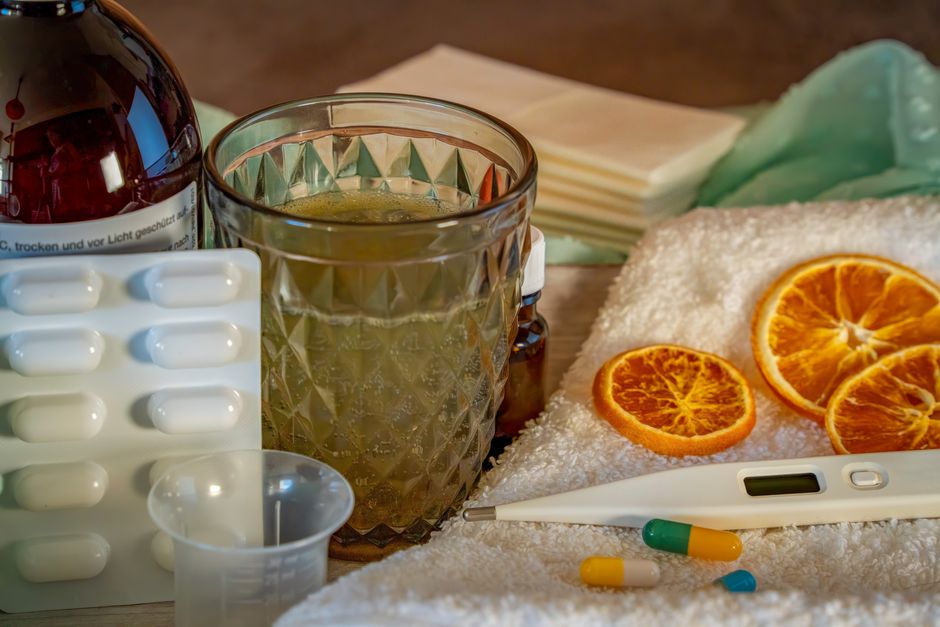
Constipation is one of the most common digestive complaints in the United States, and most cases can be relieved with a few practical steps. The fastest reliable approach combines three things: drink more water, add fiber from real food, and get moving. For immediate relief, an over-the-counter osmotic laxative such as polyethylene glycol draws water into the stool and typically works within one to three days. If you have severe pain, blood in your stool, or constipation lasting more than three weeks, see a doctor rather than self-treating.
There is no single cure for constipation because constipation is not one condition. It is a symptom with many possible causes. What works depends on what is driving it in your body. Below is what the evidence actually supports, what is mostly marketing, and when a doctor needs to be involved.
What Actually Counts as Constipation?
Doctors use a specific set of criteria, not a general feeling of “not going enough.” The Rome IV criteria define constipation as having at least two of the following for the past three months:
- Straining during more than 25% of bowel movements
- Lumpy or hard stools more than 25% of the time
- A sensation of incomplete emptying more than 25% of the time
- A sensation of blockage more than 25% of the time
- Needing manual help to pass stool more than 25% of the time
- Fewer than three spontaneous bowel movements per week
Notice that frequency is only one item on that list. Someone who goes every day but strains and passes hard pellets still meets the definition. This matters because many people focus only on how often they go and miss the real problem.
Normal bowel frequency varies widely. Some healthy people go three times a day. Others go three times a week. Both can be normal if stools pass easily and without pain.
How To Cure Constipation Fast Tips And Remedies
The fastest route to relief depends on how long you have been constipated and how severe it is. For occasional constipation, these steps work for most people.
1. Drink water — but understand what it does
Dehydration makes stool harder because the colon pulls water out of waste as it sits. Drinking more water helps only if you are actually underhydrated. If you already drink plenty of fluids, adding more will not fix constipation on its own. There is no established daily water target specifically for treating constipation. General guidance for adults is roughly 1.5 to 2 liters of fluid per day from all sources, though needs vary with climate, activity, and health status.
2. Add fiber gradually from food first
Fiber adds bulk and holds water in the stool. The two types work differently. Soluble fiber, found in oats, barley, beans, apples, and psyllium, absorbs water and forms a gel. Insoluble fiber, found in wheat bran, vegetables, and whole grains, adds bulk and speeds transit.
Most adults in the US get about 15 grams of fiber daily. General recommendations suggest 25 to 30 grams per day for adults, though exact targets vary by age and sex. Increase slowly over a week or two. Adding a large amount of fiber suddenly can worsen bloating and gas before it helps.
One important caveat: fiber does not help everyone. In people with slow-transit constipation, where the colon moves waste too slowly, extra fiber can make symptoms worse by adding bulk that does not move. If fiber makes you feel worse after two weeks, that is useful information to bring to a doctor.
3. Move your body
Physical activity stimulates colon contractions. This is well established. You do not need intense exercise. A 10 to 15 minute walk after meals can help, especially after breakfast, when the colon is naturally most active.
4. Use the bathroom at the right time
The colon is most active in the first hour after waking and after meals. Try to sit on the toilet at the same time each morning, ideally 20 to 30 minutes after breakfast. Do not rush. Give yourself 10 minutes without your phone. This trains the bowel over time.
Posture matters too. Raising your feet on a small stool so your knees are above your hips straightens the angle between the rectum and the anal canal, which can make passing stool easier.
5. Over-the-counter options that work
Different products work in different ways and at different speeds.
- Osmotic laxatives (polyethylene glycol, magnesium citrate, lactulose) pull water into the intestine. Polyethylene glycol is well studied and generally considered first-line for occasional constipation. It usually works in one to three days.
- Stimulant laxatives (senna, bisacodyl) trigger colon contractions. They work faster, often within 6 to 12 hours. They are effective for short-term use but are not intended for daily long-term use without medical guidance.
- Stool softeners (docusate) are widely sold but the evidence for their effectiveness is weak. Several studies have found them no better than placebo.
- Bulk-forming laxatives (psyllium, methylcellulose) work like dietary fiber and take two to three days to take effect.
- Suppositories or enemas work within minutes to an hour and are usually reserved for more stubborn cases.
If you use a laxative more than a few times a week for more than two weeks without a clear cause, talk to a doctor.
Which Foods Help and Which Ones Make It Worse?
Food choices influence constipation, but the effect is often slower than people expect. Diet changes typically take several days to show results.
Foods that tend to help:
- Prunes and prune juice. Prunes contain fiber plus sorbitol, a sugar alcohol that draws water into the gut. Small studies have found prunes comparable to psyllium for mild constipation.
- Beans, lentils, and chickpeas
- Oats and barley
- Apples and pears with the skin
- Leafy greens, broccoli, and carrots
- Kiwi fruit. Some small trials suggest kiwi can increase bowel frequency, though the evidence base is not large.
Foods that can make constipation worse in some people:
- Large amounts of dairy, particularly cheese
- Processed and low-fiber foods like white bread and white rice
- Excess alcohol, which dehydrates
- Too much insoluble fiber added suddenly without enough water
There is no single food that cures constipation. The pattern of your diet over weeks matters more than any one meal.




What Causes Constipation in the First Place?
Understanding the cause is what separates a temporary fix from a lasting one. Common causes include:
- Low fiber intake. This is the most common dietary contributor in the US.
- Dehydration. Less water in the colon means harder stool.
- Inactivity. Bed rest and sedentary habits slow colon transit.
- Medications. Opioid pain relievers, some antidepressants, iron supplements, calcium channel blockers, and anticholinergics are common culprits. This is one of the most underrecognized causes.
- Irritable bowel syndrome with constipation (IBS-C). This involves pain and bloating along with constipation.
- Pelvic floor dysfunction. The muscles that should relax during a bowel movement instead tighten. This is more common than many people realize, especially in women, and it does not respond well to laxatives alone.
- Slow-transit constipation. The colon moves waste too slowly.
- Medical conditions. Hypothyroidism, diabetes, Parkinson’s disease, and prior abdominal surgery can all contribute.
If your constipation started around the same time as a new medication, that timing is worth mentioning to your doctor. Dose adjustments or alternatives are sometimes possible.
When Should You See a Doctor?
Most occasional constipation is not dangerous. But certain signs mean you should not try to manage it on your own.
See a doctor promptly if you have:
- Blood in your stool or bleeding from the rectum
- Severe abdominal pain
- Unexplained weight loss
- Constipation that is new and has lasted more than three weeks
- A change in bowel habits that persists
- Constipation alternating with diarrhea
- Vomiting or inability to pass gas
- A family history of colon cancer or inflammatory bowel disease
Adults over 45 with new constipation should be evaluated, because colorectal cancer screening guidelines and symptom evaluation overlap in this age group. This is not meant to alarm. It is meant to catch the rare serious cause early.
If lifestyle changes and over-the-counter products have not helped after a few weeks, ask your doctor about testing for pelvic floor dysfunction or slow transit. These are diagnosed with specific tests, not guessed at, and they need different treatment than ordinary constipation.
What Does Not Work (Or Is Overhyped)
A few popular remedies do not hold up well.
Colon cleansing products and “detox” teas often contain stimulant laxatives. They cause bowel movements but do not address the underlying cause, and regular use can lead to dependence and electrolyte problems. The idea that the colon needs cleaning is not supported by anatomy or physiology. The colon cleans itself.
Docusate stool softeners remain on shelves everywhere, but the clinical evidence for their benefit is weak. Many clinicians still recommend them, though trials have generally not shown them to outperform placebo.
Probiotics for constipation have mixed evidence. Some strains show modest benefit in specific groups, but results vary widely across studies and products. No single probiotic is established as a reliable treatment for constipation.
Magnesium supplements are sometimes used, and magnesium does have a laxative effect at higher doses. However, magnesium can accumulate dangerously in people with kidney disease. Do not use magnesium for constipation without checking with a doctor if you have any kidney problem.
Frequently Asked Questions
How fast can constipation be relieved?
Osmotic laxatives like polyethylene glycol usually work within one to three days, while stimulant laxatives can work in 6 to 12 hours. Suppositories and enemas act within minutes to an hour. Diet and lifestyle changes take longer, often several days to a few weeks.
What is the fastest home remedy for constipation?
Drinking a glass of warm water followed by a short walk and a high-fiber food like prunes is a reasonable first step. If that does not work within a day or two, an over-the-counter osmotic laxative is the next option. There is no single home remedy proven to work faster than that.
Can constipation be cured permanently?
Most cases of occasional constipation resolve with diet, fluids, and activity, and do not return if those habits continue. Chronic constipation often needs ongoing management rather than a one-time cure. If symptoms persist despite changes, a doctor can look for specific causes like pelvic floor dysfunction or medication side effects.
How much fiber do I need to relieve constipation?
General recommendations suggest 25 to 30 grams of fiber per day for adults, though exact targets vary by age and sex. Most US adults get about 15 grams daily. Increase fiber slowly and with enough water, because adding too much too fast can worsen bloating.
