
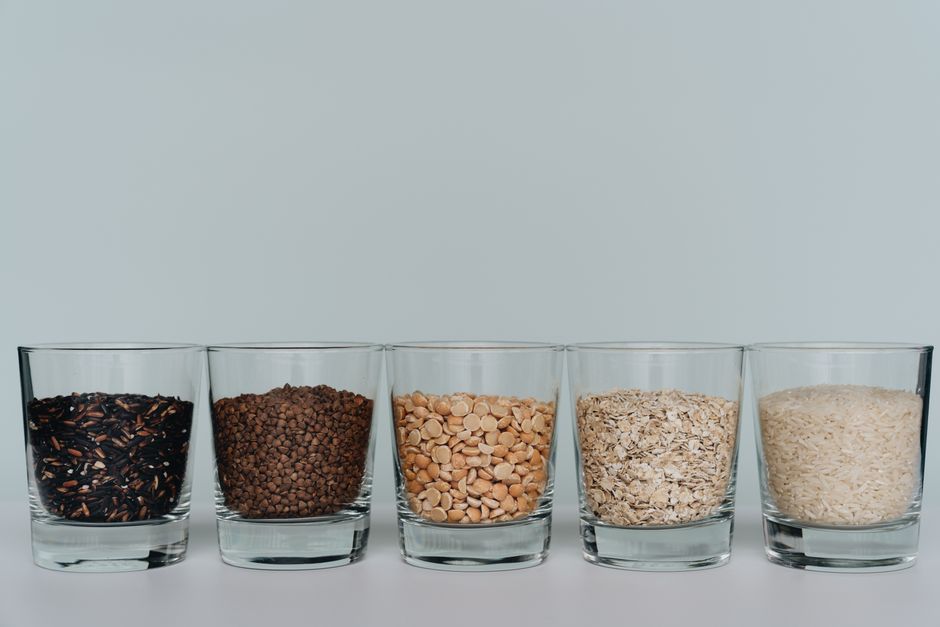
Rice can cause constipation, but it does not do so for everyone. The reason is that rice is low in fiber and high in starch, and both white and brown rice can slow things down if you eat a lot of them without enough fluid, fiber from other foods, or physical activity. White rice is more likely to contribute to constipation than brown rice, because milling strips away most of the fiber.
Can Rice Cause Constipation White Vs Brown?
Yes, rice can contribute to constipation, and white rice is the bigger offender of the two.
White rice is refined. The milling process removes the bran and germ, which is where most of the fiber lives. What remains is mostly starchy endosperm. That starch is easy to digest, which is why white rice is often recommended for an upset stomach. But easy to digest also means little bulk reaches the colon. Fiber adds bulk and holds water in the stool, which helps it move. Take that away, and stools can become smaller, harder, and slower to pass.
Brown rice keeps the bran and germ. It has meaningfully more fiber than white rice, along with some B vitamins, magnesium, and other nutrients that are largely lost in white rice. That extra fiber does not make brown rice a constipation cure, but it makes it far less likely to contribute to the problem.
Here is the part people miss. Neither type of rice is a high-fiber food in the way beans, lentils, or certain vegetables are. Brown rice has more fiber than white, but it is still moderate compared with those foods. So the real question is not just which rice you eat. It is what else is on your plate and how much fluid you drink.
Why Does Rice Constipation Happen?
Constipation from rice comes down to three things: low fiber, low fluid relative to starch, and the way starch behaves in the gut.
Fiber is the main driver. The average American diet already falls short on fiber, and a diet heavy in white rice tends to fall shorter still. When stool lacks bulk, the colon has less to work with. It absorbs water from the stool as it sits, and the result is a harder, drier mass that is harder to pass.
Fluid matters more than most people realize. Rice absorbs water as it cooks and continues to bind water in the digestive tract. If you eat a lot of rice but do not drink enough, the colon pulls fluid from the stool to meet the rest of the body’s needs. That dries the stool out. This is not unique to rice, but starchy, low-fiber foods make it more likely.
There is also a practical pattern. Rice is often the base of a meal rather than the whole meal. If that meal is mostly white rice with a small amount of vegetables, the fiber total is low. Over days and weeks, that pattern adds up.
One clarification worth making: white rice is not inherently bad for digestion. For someone with diarrhea or an irritated stomach, its low fiber is actually the point. The same property that helps in one situation can work against you in another. Context decides whether rice helps or hurts.
White Rice vs Brown Rice: How They Compare
The difference that matters most for constipation is fiber. The table below uses standard USDA nutritional values for cooked rice.
| Nutrient (1 cup cooked) | White rice | Brown rice |
|---|---|---|
| Fiber | About 0.6 g | About 3.5 g |
| Carbohydrate | About 45 g | About 45 g |
| Protein | About 4 g | About 5 g |
| Magnesium | Low | Higher |
| Bran and germ | Removed | Retained |
The fiber gap is the headline. A cup of brown rice delivers several times the fiber of a cup of white rice. That does not make brown rice a fiber powerhouse, but it changes how the food behaves in your gut.
Brown rice is not automatically the better choice for everyone, though. Some people find brown rice harder to digest because of its bran content, and it can cause bloating or gas when introduced quickly. If you are switching from white to brown, doing it gradually gives your gut time to adjust.





Does Rice Cause Constipation in Children?
Rice is a common trigger for constipation in young children, and the pattern is well recognized in pediatric practice.
The reasons overlap with adults but are sharper in kids. Children have smaller stomachs and eat smaller portions, so a meal built on white rice can crowd out higher-fiber foods more easily. Rice cereal is also a traditional first food for infants, and it is low in fiber. Some infants who eat a lot of it become constipated.
This does not mean rice is unsafe for children. It means rice is best used as part of a varied diet, not as the main event at every meal. If a child is constipated, the usual approach is to look at the whole diet and fluid intake rather than blame one food. Persistent or painful constipation in a child is worth a conversation with a pediatrician, because causes beyond diet are possible.
For infants, no clinical guidelines set a specific amount of rice cereal that is safe or that prevents constipation. If you are introducing solids, follow your pediatrician’s guidance rather than a general rule from an article.
How to Eat Rice Without Getting Constipated
You do not have to give up rice to keep your digestion moving. A few adjustments usually make the difference.
- Choose brown rice more often. The extra fiber helps, even if it is not a complete solution.
- Drink enough fluid. Water with meals and through the day supports softer stool.
- Pair rice with fiber-rich foods. Beans, lentils, vegetables, and fruit raise the fiber total of the meal.
- Watch portion size. A large rice portion leaves less room for other foods.
- Stay active. Physical activity supports normal bowel function.
- Add fiber gradually. Jumping from low to high fiber quickly can cause bloating and gas.
If constipation continues despite these changes, the cause may not be rice at all. Low fiber overall, low fluid, certain medications, thyroid problems, and other conditions can all play a role. Ongoing constipation is a reason to see a clinician, not just to swap one grain for another.
When Rice Is Actually the Right Choice
There is a time when white rice is genuinely the better option, and it is worth saying plainly.
During bouts of diarrhea or an upset stomach, low-fiber foods like white rice are often easier on the gut. Fiber can make diarrhea worse by adding bulk and speeding transit. In that situation, white rice does what it is supposed to do. The constipation risk comes from eating this way long term, not from a few days of it.
The same logic applies after certain digestive illnesses. A bland, low-fiber diet gives the gut a rest. Once things settle, fiber is added back. Rice fits into both phases, just differently.
So the honest answer is not that rice is bad for digestion. It is that rice is low in fiber, and a diet built on low-fiber foods is a diet that tends to cause constipation. White rice pushes you further in that direction than brown rice does. What surrounds the rice on your plate matters as much as the rice itself.
Frequently Asked Questions
Does white rice cause constipation?
White rice can contribute to constipation because it is low in fiber and high in starch. It is more likely to cause problems when eaten in large amounts without enough fluid or other fiber-rich foods.
Is brown rice better than white rice for constipation?
Brown rice is generally less likely to cause constipation because it keeps its bran and has several times more fiber than white rice. It still is not a high-fiber food on its own, so it works best alongside other fiber sources.
How much rice is too much if I am constipated?
There is no official cutoff for how much rice is safe, because the effect depends on your overall diet and fluid intake. If rice makes up most of your meals and you are constipated, reducing the portion and adding fiber-rich foods is a reasonable step.
Can rice cause constipation in babies?
Rice cereal is low in fiber and is a recognized contributor to constipation in some infants. No clinical guidelines set a specific safe amount, so follow your pediatrician’s advice when introducing solids.
