
Bursitis is inflammation of the small fluid-filled sacs (bursae) that cushion your joints. The short answer on how to cure bursitis is that most cases resolve with rest, ice, and anti-inflammatory measures over a few weeks. But the real cure depends on what caused it, where it is, and whether you let it become a recurring problem.
What Actually Causes Bursitis?
Bursitis happens when a bursa gets irritated. This usually comes from repetitive motion or prolonged pressure on a joint. Think of kneeling for hours while gardening, throwing a baseball too many times, or leaning on your elbows at a desk all day.
Infection can also cause bursitis. This is much less common but more serious. Septic bursitis happens when bacteria get into the bursa through a cut or scrape. This requires antibiotics, not just rest and ice.
Some people get bursitis from underlying conditions like gout, rheumatoid arthritis, or thyroid disease. In these cases, treating the main condition is the real path to curing the bursitis. Current research suggests that about one in three people with repeated bursitis have an underlying inflammatory condition that was never diagnosed.
How To Cure Bursitis With Rest and Activity Changes
Rest is the first step. But rest does not mean stop moving entirely. It means stop the specific motion that caused the problem. If your shoulder bursitis came from overhead lifting, stop overhead lifting. Keep using your arm for normal daily tasks below shoulder height.
The tricky part is knowing when to resume activity. Most people go back too soon. Research shows that returning to the aggravating activity before the bursa has healed often doubles the recovery time. A good rule is to wait until you have been pain-free during the aggravating motion for at least three days before trying it again.
Activity modification is not permanent for most people. You just need to give the bursa time to settle down. As of 2026, current evidence suggests that two to six weeks of modified activity is enough for most non-infected bursitis cases.
If your job or sport requires the motion that caused it, you may need to change how you do it. Pads for kneeling, better ergonomics for desk work, or different form in your sport can prevent it from coming back.
Does Ice and Heat Help Cure Bursitis?
Ice is well-supported by evidence for acute bursitis. Ice reduces blood flow to the area, which lowers inflammation and numbs pain. Apply ice for 15 to 20 minutes several times a day during the first 48 to 72 hours. Do not put ice directly on skin. Use a thin cloth barrier.
Heat is more complicated. Some people report that heat feels good on sore joints. But research does not support heat for reducing inflammation. Heat increases blood flow, which can actually make swelling worse in the early stages.
Heat may help once the acute inflammation is gone. If you have stiffness more than swelling, gentle heat before stretching can help. But if the joint is still hot or swollen, stick with ice.
A simple approach is to use ice for the first three to five days, then switch to heat only if the swelling is gone and you still feel stiff. If you are unsure, ice is the safer choice.





What Medications Actually Work for Bursitis?
Nonsteroidal anti-inflammatory drugs (NSAIDs) are the most common treatment. Ibuprofen (Advil, Motrin) and naproxen (Aleve) are available over the counter. These reduce inflammation and pain. Research shows they are effective for most bursitis cases when used for short periods.
The evidence is less clear on whether NSAIDs actually speed up healing or just mask symptoms. Some studies suggest that inflammation is part of the healing process and blocking it completely may slow tissue repair. The practical takeaway is to use NSAIDs for pain relief so you can rest comfortably, not to push through painful activity.
Topical NSAID gels like diclofenac (Voltaren) are an option. They deliver the drug locally with less risk of stomach or kidney side effects. For bursitis near the skin surface like the elbow or knee, topical gels are a reasonable first choice.
Corticosteroid injections are used for stubborn cases. A doctor injects a steroid directly into the bursa. This can provide significant relief within a few days. But injections come with risks. They can weaken nearby tissues, and repeated injections increase the risk of tendon rupture. Most guidelines recommend no more than three injections in the same joint per year.
There is no clinical evidence that supplements like turmeric, glucosamine, or omega-3s cure bursitis. Some people report benefit, but controlled studies have not confirmed this. If you try them, be realistic about what they can do.
When Is Physical Therapy the Answer?
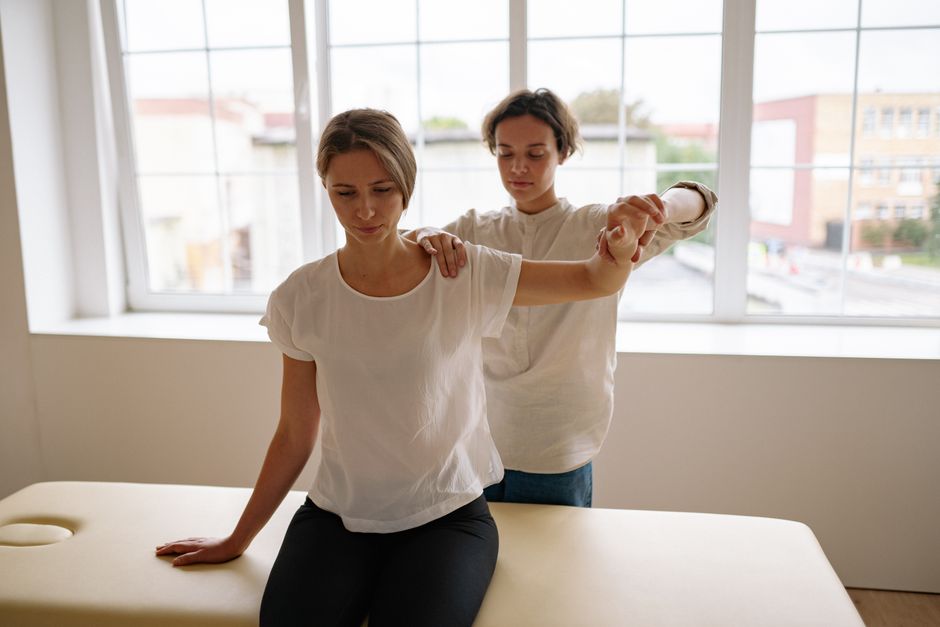
Physical therapy is not always needed for bursitis. Many cases resolve on their own. But PT becomes important when bursitis limits your range of motion or keeps coming back.
A physical therapist can identify why the bursitis happened in the first place. Weak muscles around a joint, poor flexibility, or incorrect movement patterns can all put extra pressure on a bursa. Fixing these underlying issues is the best way to cure bursitis long-term.
For shoulder bursitis, strengthening the rotator cuff and improving scapular stability can take pressure off the bursa. For hip bursitis, strengthening the glutes and improving hip mobility often helps. For knee bursitis, quadriceps and hamstring flexibility are key.
Evidence shows that people who complete a full course of physical therapy have lower recurrence rates than those who just rest and take medication. The therapy does not have to be long. Four to eight sessions are often enough.
| Treatment | Best For | Evidence Level |
|---|---|---|
| Rest and activity modification | Acute, mild cases | Strong |
| Ice | First 72 hours, swelling present | Strong |
| Oral NSAIDs | Pain relief, reducing inflammation | Strong for short-term use |
| Corticosteroid injection | Persistent cases not responding to other treatments | Moderate – effective short-term |
| Physical therapy | Recurring bursitis, limited range of motion | Strong for prevention of recurrence |
| Supplements (turmeric, omega-3s) | General inflammation | Weak – no evidence for curing bursitis |
What About Surgery for Bursitis?
Surgery is rarely needed for bursitis. Less than five percent of cases require it. Surgery is considered only when conservative treatments have failed for six months or more, or when the bursa is chronically thickened and causing mechanical problems.
The procedure is called a bursectomy. The surgeon removes the affected bursa. This is usually done arthroscopically with small incisions. Recovery takes several weeks, and physical therapy is often needed afterward.
Some people worry that removing a bursa will cause joint problems later. This is not supported by evidence. The body can function fine without that specific bursa. Other bursae adapt, and scar tissue fills the space.
Septic bursitis is a different story. If the bursa is infected, it may need to be drained or surgically cleaned. Signs of infection include redness spreading from the joint, fever, and severe pain. If you have these symptoms, see a doctor immediately. Do not wait to try home treatments.
Common Misconceptions About Bursitis Treatment
One widespread myth is that you should stretch a painful joint. Stretching an inflamed bursa often makes things worse. Stretching is for after the inflammation settles, not during the acute phase.
Another myth is that bursitis is caused by a calcium deficiency or “bone spurs.” Bursitis is inflammation of a soft tissue sac, not a bone problem. Calcium deposits can sometimes form in a chronically inflamed bursa, but they are a result of the inflammation, not the cause.
Some people believe that if it hurts, you should completely immobilize the joint. This is not helpful. Complete immobilization can lead to stiffness and muscle wasting. Gentle movement within a pain-free range is better than no movement at all.
There is also no evidence that “detoxing” or “cleansing” your body cures bursitis. Bursitis is a local mechanical or inflammatory problem, not a systemic toxin issue. Save your money.
How To Prevent Bursitis From Coming Back
Prevention is where most people fall short. You can cure bursitis once, but if you go back to the same habits, it will return. Prevention is not complicated, but it requires consistency.
- Warm up properly before repetitive activities. Five minutes of light movement and dynamic stretching prepares the tissues.
- Use protective gear. Knee pads for gardening or floor work. Elbow pads for leaning on hard surfaces. Cushioned shoes for standing all day.
- Strengthen the muscles around vulnerable joints. Strong muscles take pressure off the bursae.
- Take breaks. Do not do the same motion for hours. A five-minute break every hour lets the bursa recover.
- Address underlying conditions. If you have gout, diabetes, or arthritis, managing these well reduces your bursitis risk.
Current research suggests that people who do these preventive steps have about a 60 percent lower chance of bursitis returning within two years. That is a meaningful difference.
Frequently Asked Questions
How long does it take for bursitis to heal?
Most cases of bursitis heal within two to six weeks with rest and conservative treatment. Chronic cases or those with underlying conditions may take longer.
Can bursitis go away without treatment?
Mild bursitis can resolve on its own if you stop the aggravating activity. But treatment like ice and anti-inflammatories speeds recovery and reduces the chance of it becoming chronic.
What is the fastest way to cure bursitis?
The fastest approach is rest from the aggravating activity, ice for the first few days, and short-term NSAIDs for pain and inflammation. This usually provides noticeable improvement within a week.
When should I see a doctor for bursitis?
See a doctor if you have fever, spreading redness, severe pain, or if the swelling does not improve after two weeks of home treatment. These could be signs of infection or a more serious condition.
